

A polished datasheet can make several suppliers look equivalent. The differences usually appear later, when a sample cannot be traced to its firmware, a test condition is missing, or a production change reaches your line without enough notice.
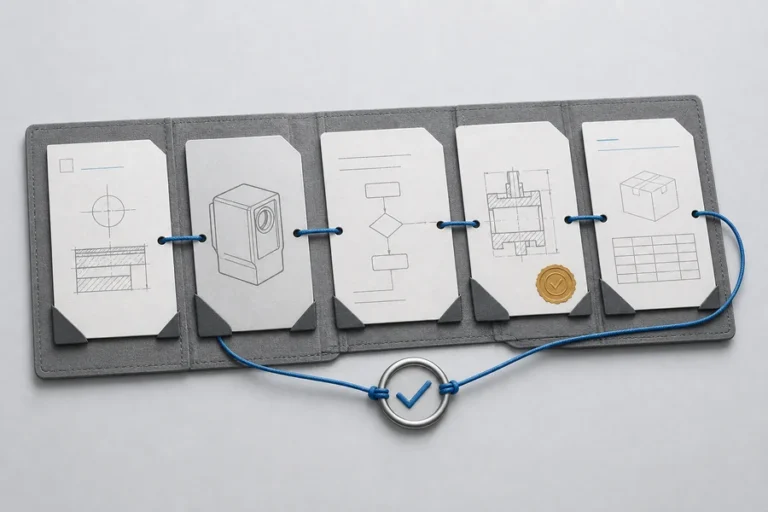
Evaluate an OEM laser rangefinder supplier by linking one controlled requirement to configuration-specific sample data, engineering ownership, manufacturing evidence, scoped documents, change control, and pilot-to-production support. Each claim should end in an artifact you can review and an owner who can explain it. Price matters only after candidates are being compared on the same basis.
That approach qualifies a supply relationship, not just a promising sample.
Evaluate an OEM Laser Rangefinder Supplier with Evidence
Use the same application baseline for every candidate. Then ask what evidence closes each risk.
| Evaluation test | Evidence to request | Decision it supports |
|---|---|---|
| Requirement translation | Reviewed application and configuration sheet | Is the proposed module solving the actual problem? |
| Performance conditions | Test method, target, environment, datum, and result rules | Are claims comparable and relevant? |
| Configuration traceability | Model, revision, firmware, mode, serial or lot, and report | Do sample results belong to the supplied configuration? |
| Engineering ownership | Named technical owners and a documented response to an integration question | Can the team resolve system-level risk? |
| Manufacturing control | Process flow, control points, records, and final acceptance method | Can the approved result be reproduced? |
| Document scope | Issuer, owner, site, model, standard, validity, and report scope | Does the document cover what you intend to buy? |
| Change control | Notification triggers, timing, revision method, and requalification inputs | Can you protect the approved design? |
| Production support | Pilot criteria, lot evidence, incoming screen, failure response, and monitoring | Can performance and supply remain controlled? |
This is not a universal scoring formula. The release criteria and evidence depth should match your application risk, volume, and regulatory responsibilities.
Test 1: Can the Supplier Translate the Application into a Controlled Requirement?
A useful supplier does not recommend a model from maximum range alone. It asks for the target material and size, distance band, ambient light, atmosphere, measurement rate, valid-reading requirement, host interface, power rail, enclosure window, available volume, mounting constraints, environment, and expected production quantity.
The output should be a reviewed configuration sheet. If two candidates propose different targets, filters, modes, or host conditions, their quoted results are not yet comparable.
For the technical inputs behind that sheet, use our guide to choose a laser rangefinder module before requesting samples.
Test 2: Are Performance Claims Tied to Test Conditions?
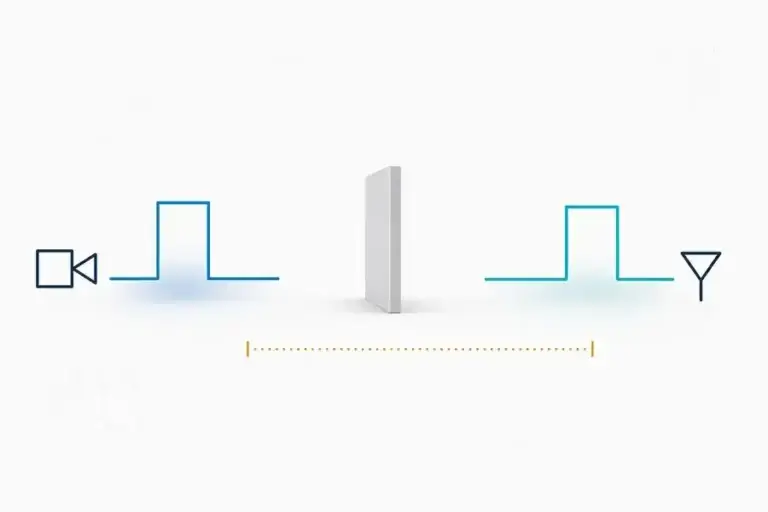
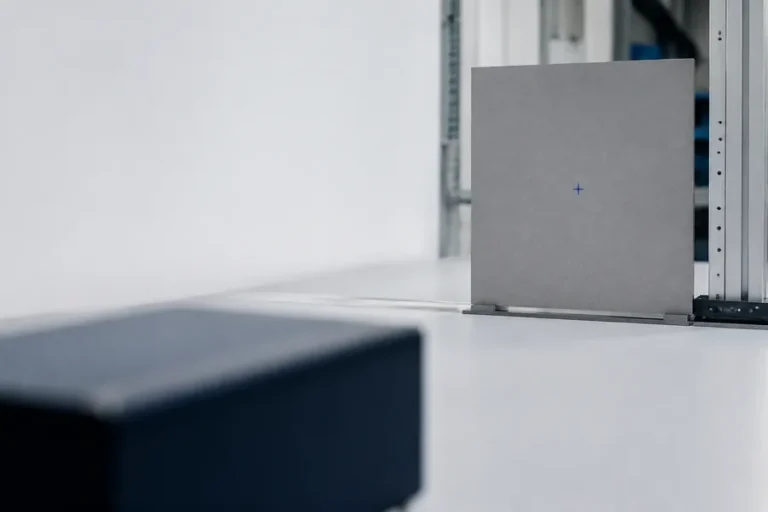
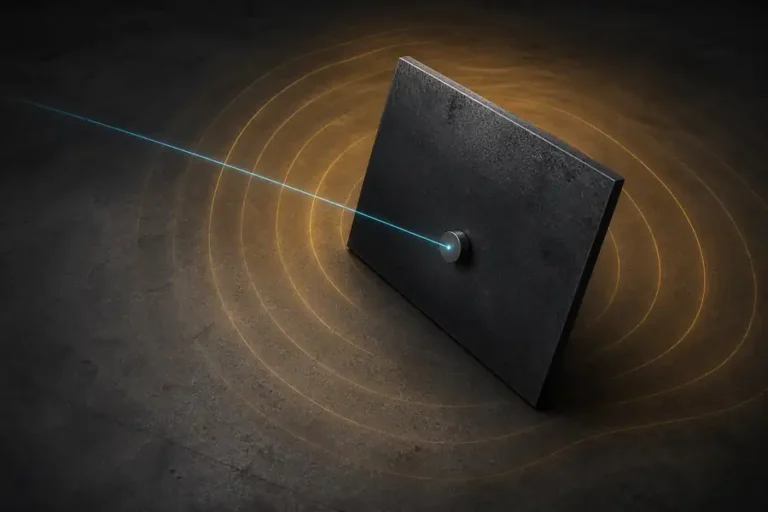
Ask how each important value was measured. A useful record identifies the target, target size, surface and angle, distance datum, reference method, ambient condition, module mode, number of trials, and the rule for valid, invalid, timeout, and outlier results.
Do not compare a typical value from one supplier with a limit from another or treat an occasional return as verified operating range. The supplier should explain which results apply to the module and which depend on the host optics, power, filtering, and alignment.
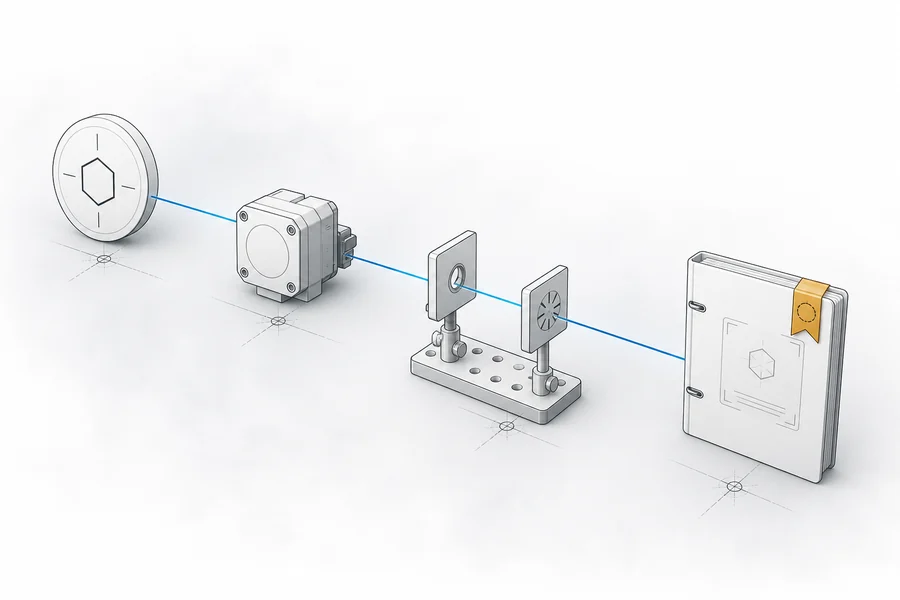
Our step-by-step guide to reading a laser rangefinder module datasheet shows the conditions that should accompany range, accuracy, divergence, timing, and interface claims.
Test 3: Can Every Sample and Result Be Traced to a Configuration?
The sample label, test report, and quotation should resolve to the same model, hardware revision, firmware, mode, interface, and optical configuration. Record the serial or lot, report date, method revision, exceptions, and manual adjustments.
Traceability matters because an excellent result from an unidentified engineering sample cannot protect a production drawing. NIST’s work on digital manufacturing highlights the value of persistent identifiers for linking requirements and design changes across a supply chain. Your process can be simpler, but the principle is the same: a result needs an unambiguous configuration identity.
Test 4: Can You Reach the Engineers Who Own Integration Risk?
Sales responsiveness is useful; technical ownership is different. Ask one controlled question that crosses two disciplines, such as how a proposed enclosure window affects optical return and false readings, or how burst current and cable length influence startup and continuous ranging.
Observe whether the question reaches people who can address optics, mechanics, electronics, firmware, thermal behavior, and test methods together. A good response identifies assumptions, requests missing inputs, proposes a test, and records the decision.
Lumexis provides direct engineering and supply support from product selection and integration through validation and troubleshooting.
Test 5: Does Manufacturing Evidence Match the Claimed Capability?
Supplier qualification should connect the claimed capability to a controlled process. ISO’s quality guidance distinguishes inspection of an output from an audit of the system that produces it. Both can matter: a passing unit does not by itself establish a stable process, and a documented process does not replace product verification.
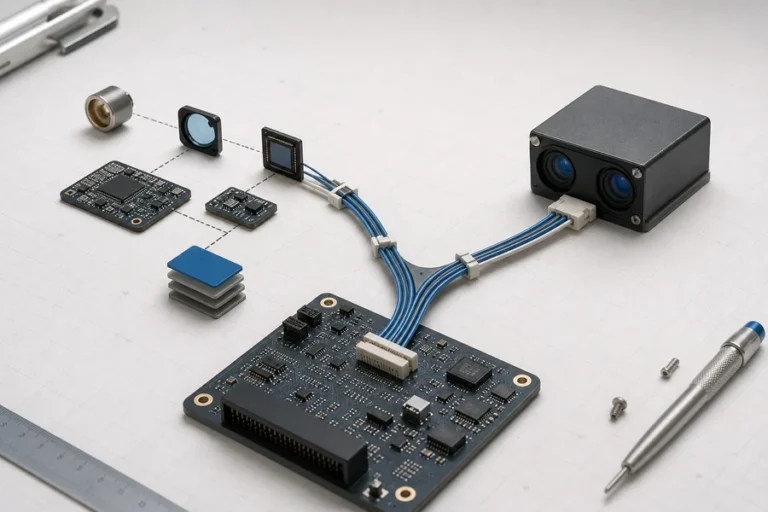
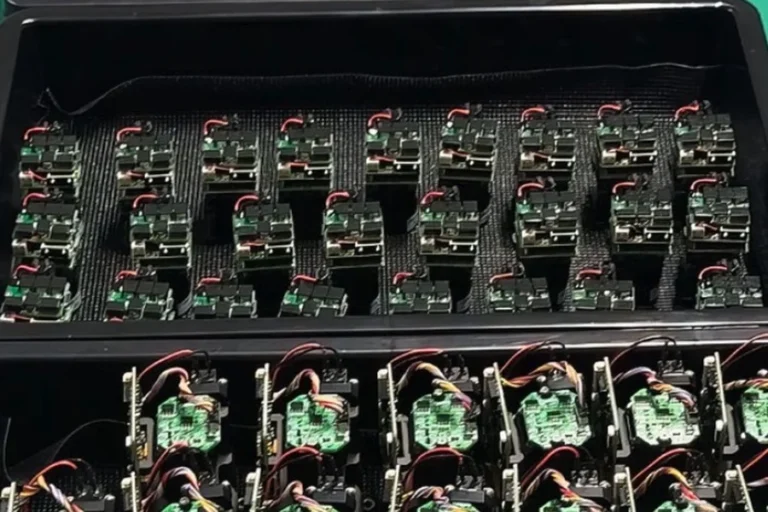
Ask which steps are performed in-house, where critical characteristics are controlled, what records are retained, and how nonconforming material is contained. Relevant evidence can include incoming inspection, chip test, die bonding, mounting, alignment, sealing, aging screening, and final testing when those steps apply.
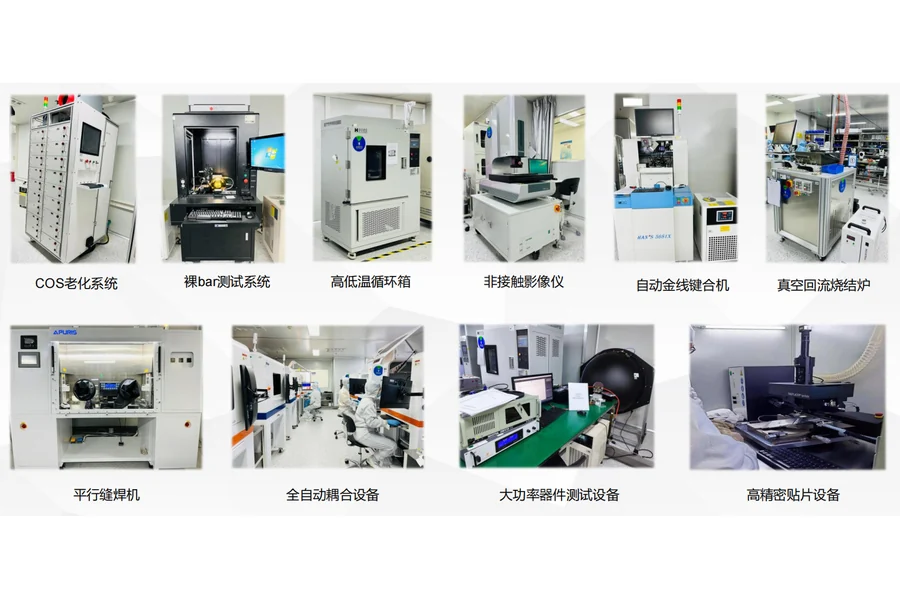
LUMEXIS combines its Wuxi engineering and commercial office with a 14,000-square-meter Taizhou manufacturing base. The platform includes cleanroom assembly, optical and optomechanical design, semiconductor packaging, electronics and firmware, test-method development, thermal design, and weak-signal ranging work. These capabilities are useful only when they are connected to the configuration and controls your project needs.
Test 6: Do Certificates and Reports Cover the Exact Scope?
Read the document, not just the logo. For a management-system certificate, check the legal entity, site, certified activities, issuing body, accreditation where applicable, standard edition, validity, and exclusions. ISO’s supply-chain guidance distinguishes a supplier declaration, a customer assessment, and third-party certification; each provides a different form of confidence.
For a product report or certificate, check the exact model and configuration, operating modes, optics, standard, edition, laboratory, report number, and limitations. Management-system certification does not certify every product. A report for one configuration does not automatically cover every variant or the completed host.
IEC 60825-1 also makes the completed laser product an important boundary. OEM teams remain responsible for assessing the final host and its accessible emission under the applicable configuration and conditions.
Test 7: Is Change Control Defined Before Approval?
Agree on change notification before placing a volume order. Define which changes require notice: hardware, firmware, optical components, test software, manufacturing site, process, material, sub-tier source, packaging, or discontinued parts. Specify the minimum information, proposed timing, affected lots, validation evidence, and how deviations are approved.
Also decide how to identify the last unchanged lot and first changed lot. This protects debugging and requalification when incoming results or host compatibility move unexpectedly.
Test 8: Can the Supplier Support Pilot, Incoming Inspection, and Ongoing Monitoring?
A sample order should lead to a controlled pilot, not directly to unrestricted production. Define pilot exit criteria, the approved configuration, lot-level documentation, the incoming screen, failure classification, retest rules, corrective-action timing, and escalation owners.
Monitor delivery, configuration changes, incoming failures, response quality, corrective-action closure, and required characteristics. ISO/IAF guidance emphasizes defined criteria, risk-based controls, verification, and continued monitoring rather than one-time approval.
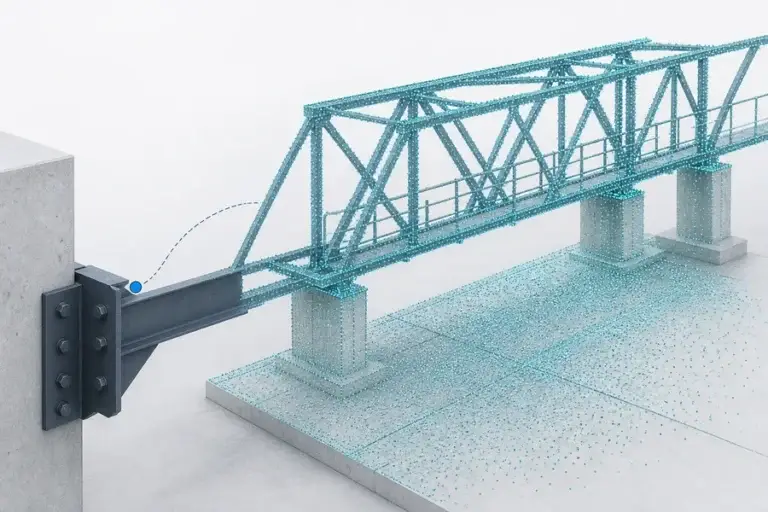
Use the laser ranging solution to frame installed-system inputs, then review current laser source and module platforms against the resulting requirement.
Compare Commercial Terms Only After the Evidence Baseline Matches
Once candidates are proposing equivalent configurations and evidence, compare unit price, sample and pilot cost, engineering charges, non-recurring work, quantity breaks, included documentation, tooling ownership, warranty, support, change terms, and lead time by stage.
Our guide to laser rangefinder module price drivers explains why wavelength, optics, receiver architecture, packaging, interfaces, qualification, and order volume affect cost. LUMEXIS standard products can ship within three days when stock and project fit are confirmed. Custom and private-label programs require project-specific timing because design, verification, and production controls must be agreed first.
Frequently Asked Questions
Is a manufacturer always better than a distributor?
Not automatically. Evaluate control and evidence rather than the label. Confirm who owns the design, manufacturing, firmware, test method, configuration records, warranty, and change notification. An intermediary can add value when responsibilities are explicit; direct manufacturing access can reduce ambiguity when rapid engineering decisions or production changes are involved.
Is ISO 9001 certification enough to approve a supplier?
No. A valid, appropriately scoped certificate can support confidence in the management system, but it does not prove that a particular module meets your requirement. Review the certificate’s entity, site, scope, issuer, accreditation, edition, and validity, then verify the product with configuration-specific samples, test evidence, and production controls.
How many samples should an OEM evaluate?
There is no universal number. Set the sample plan from the decision risk, expected variation, required characteristics, supplier maturity, and next production stage. A few samples may support early integration, while pilot and release decisions usually need evidence across more units, lots, conditions, or time. Define the plan before reviewing results.
What documents should be requested before a pilot order?
Request the controlled specification, configuration and revision identity, interface documentation, test method and conditions, sample report, applicable document scope, manufacturing and final-test overview, change-notification terms, failure-response path, and proposed pilot acceptance criteria. Add safety or regulatory documents only when they apply to the exact supplied configuration.
How can an OEM evaluate customization support?
Provide one bounded change request with requirements, interfaces, verification needs, volume, and timing. Evaluate whether the supplier identifies affected disciplines, clarifies assumptions, controls revisions, proposes a verification plan, separates non-recurring work from production cost, and assigns engineering ownership. A fast promise without impact analysis is weak evidence.
References
- ISO and IAF, Auditing the Procurement and Supply Chain Processes: External Providers.
- International Organization for Standardization, ISO 9001 in the Supply Chain.
- National Institute of Standards and Technology, Engineers Support Vendor Implementations of STEP to Evolve Digital Manufacturing.
- International Electrotechnical Commission, IEC 60825-1:2014 — Scope Preview.
Share the target, distance band, interface, host power, window, environment, envelope, expected volume, sample stage, and required evidence through the Lumexis engineering contact page. We can review a standard fit or define the inputs for a custom or private-label evaluation.