A pulsed Er:Glass source platform for selected OEM optical systems.

Lumexis develops compact pulsed erbium-glass laser sources for OEM ranging, optical sensing, LiDAR and scientific instruments. The series spans 40–500 µJ pulse energy at 1535 nm, with 3–6 ns pulse width, model-dependent 1–1000 Hz repetition rate, ≤10 or ≤15 mrad divergence, <2 V source supply and operation from −40 to +65°C.
Performance values are model-specific. Confirm the order-specific technical specification, interface and integration drawing before design release.
 OEM rangingLiDAR & remote sensingOptical sensingScientific instruments
A pulsed Er:Glass source platform for selected OEM optical systems.
Six source models provide a defined energy range for system trade-offs.
Specified short-pulse output across the published model series.
Selected by model: 1–10 Hz or 1000 Hz for the 40 µJ source.
Model-dependent divergence to be matched to the host optical path.
Published operating-temperature range; confirm the final configuration.
Complete product range
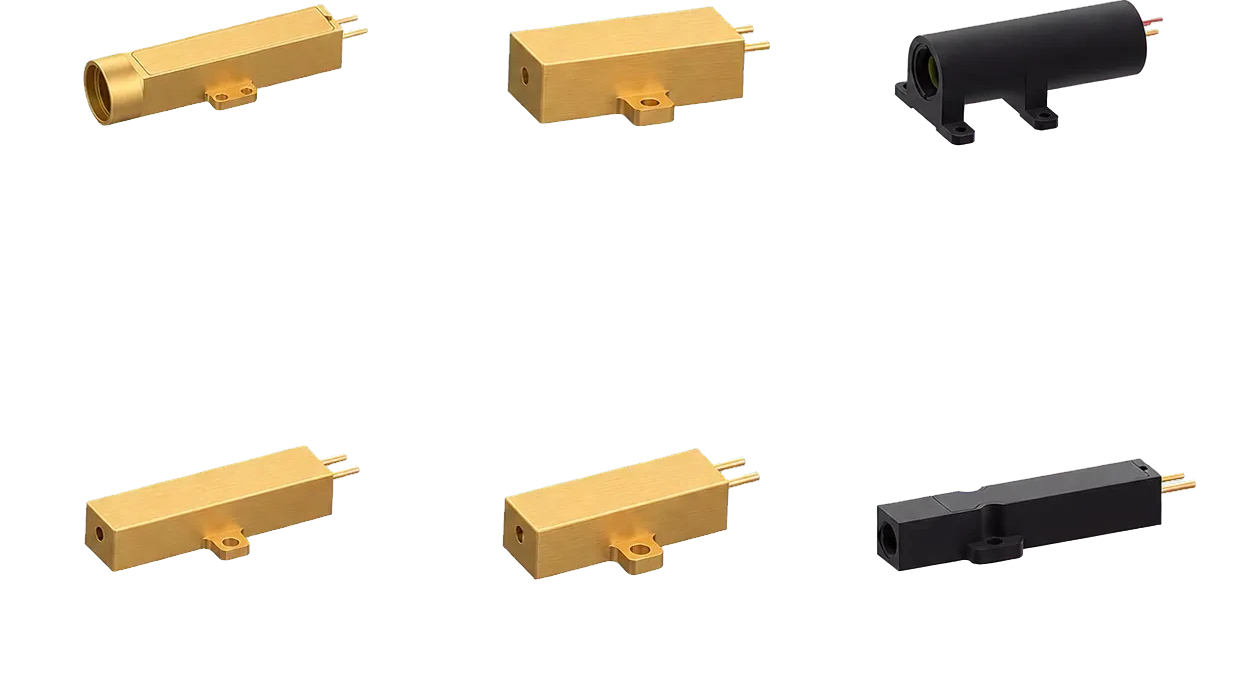
All published models are shown below. Start with required pulse energy, repetition rate, beam divergence and available installation volume; then verify the electrical interface, mechanical drawing and test condition for the intended system.
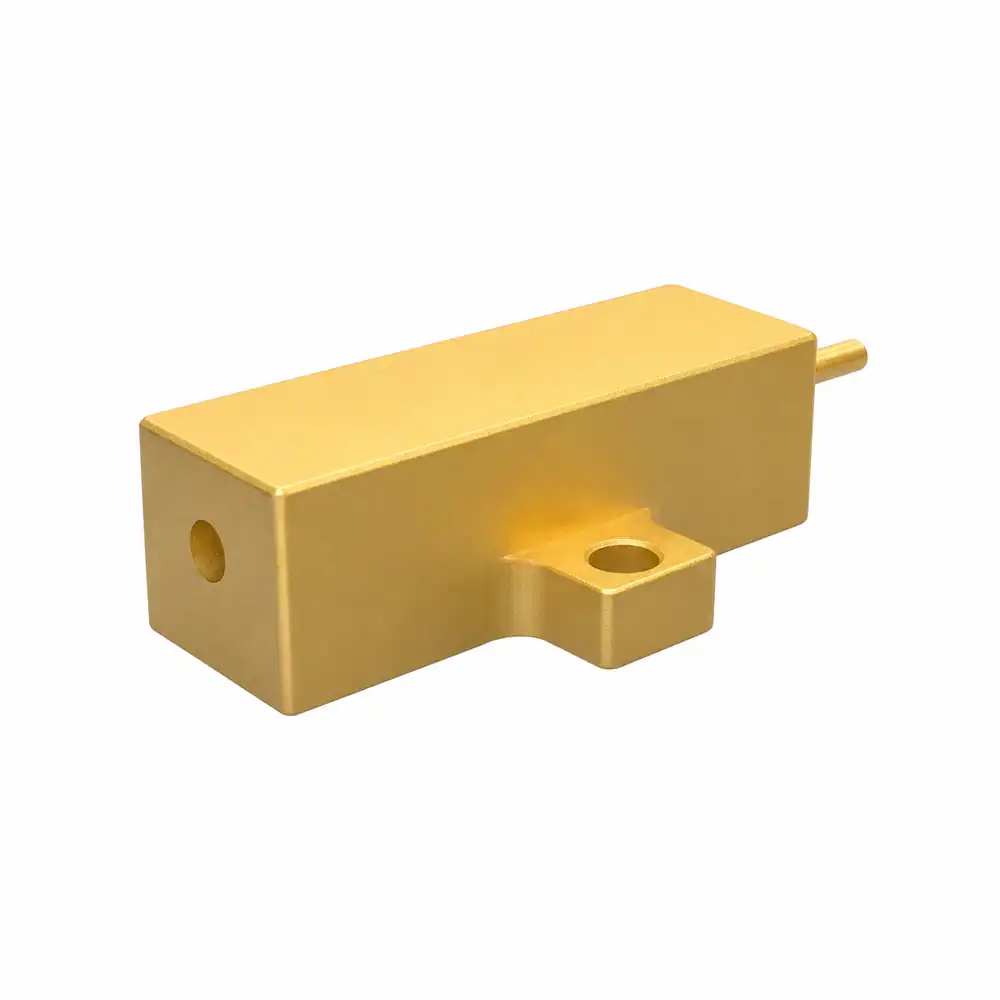
1535-LXER040
40 µJ at 1535 nm; 1000 Hz repetition; 3–6 ns pulse width; ≤15 mrad divergence.
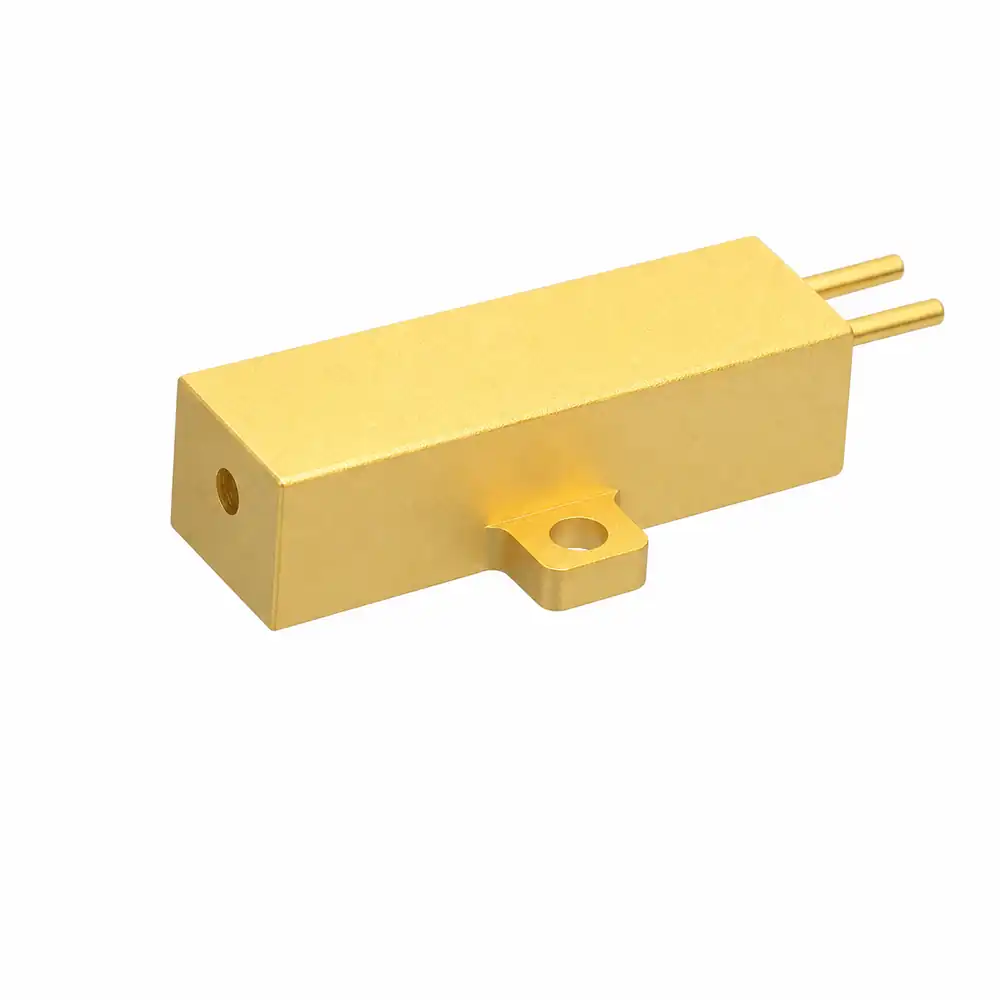
1535-LXER100
100 µJ at 1535 nm; 1–10 Hz repetition; 3–6 ns pulse width; ≤10 mrad divergence.
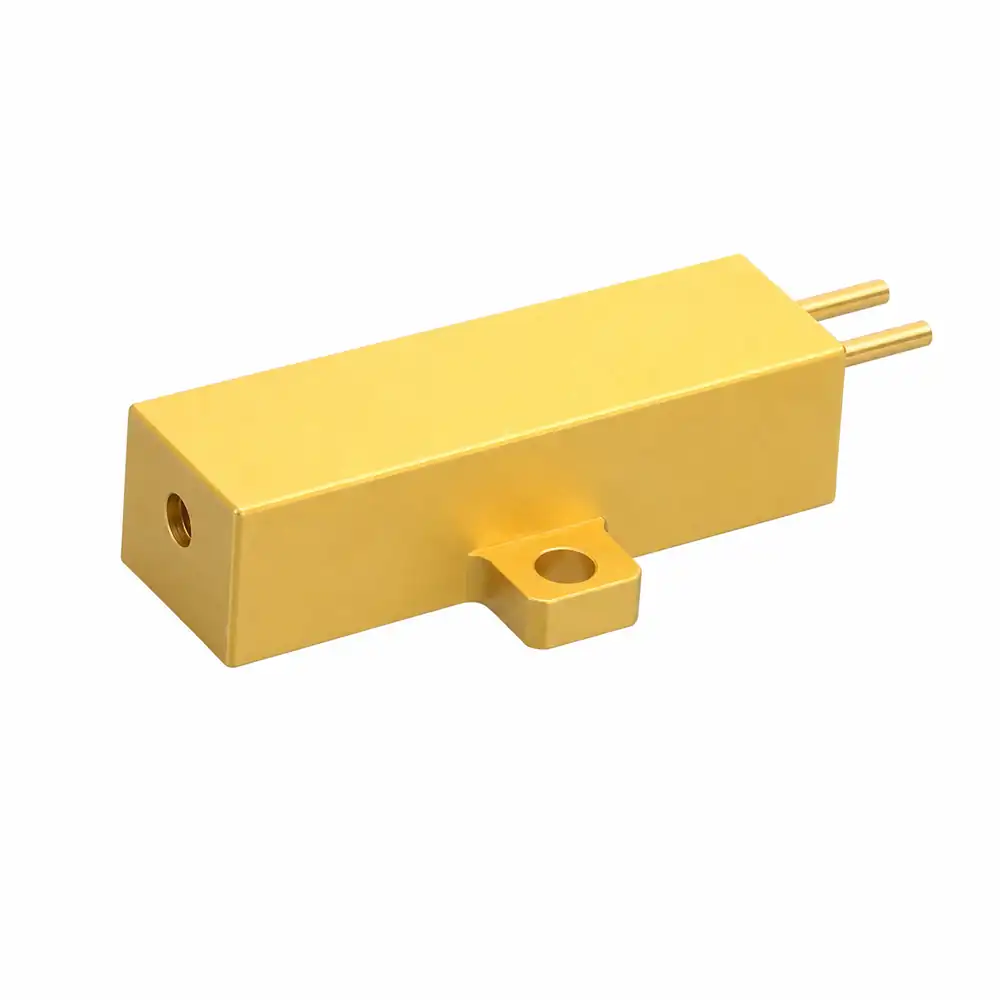
1535-LXER200
200 µJ at 1535 nm; 1–10 Hz repetition; 3–6 ns pulse width; ≤10 mrad divergence.
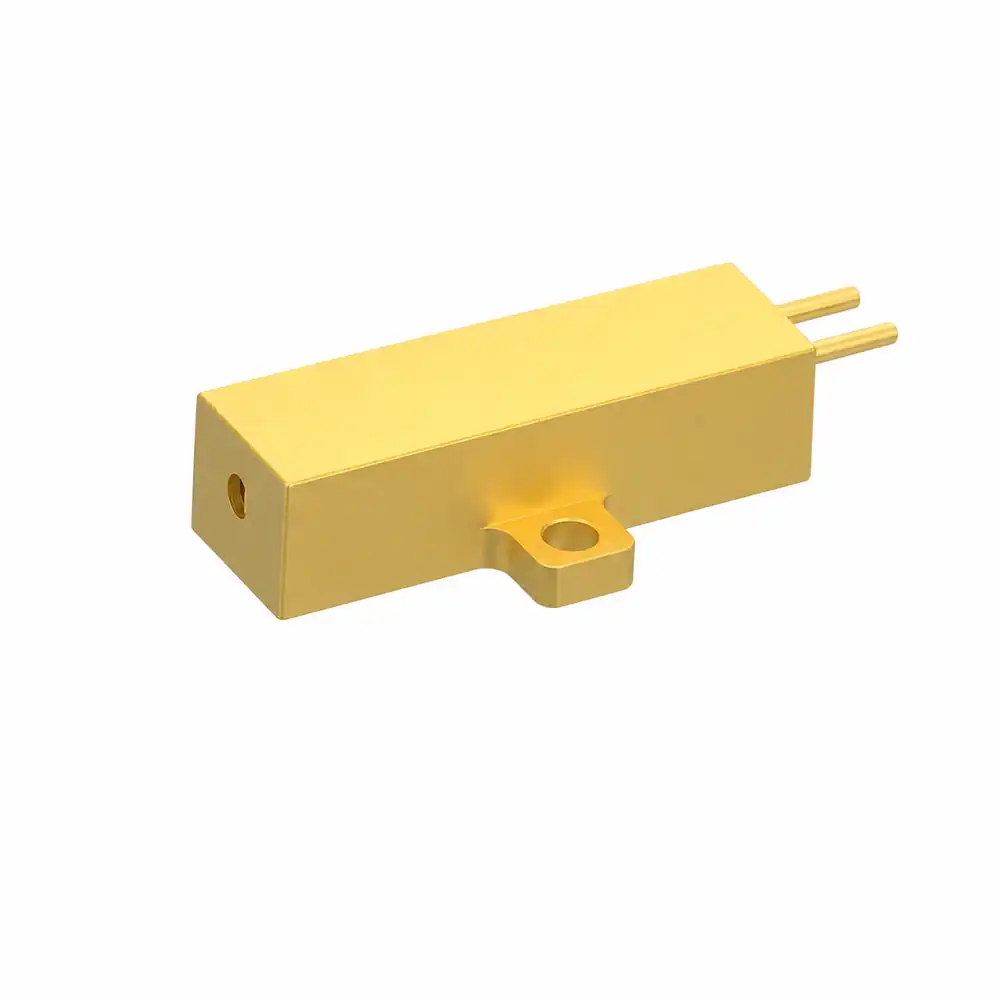
1535-LXER300
300 µJ at 1535 nm; 1–10 Hz repetition; 3–6 ns pulse width; ≤10 mrad divergence.
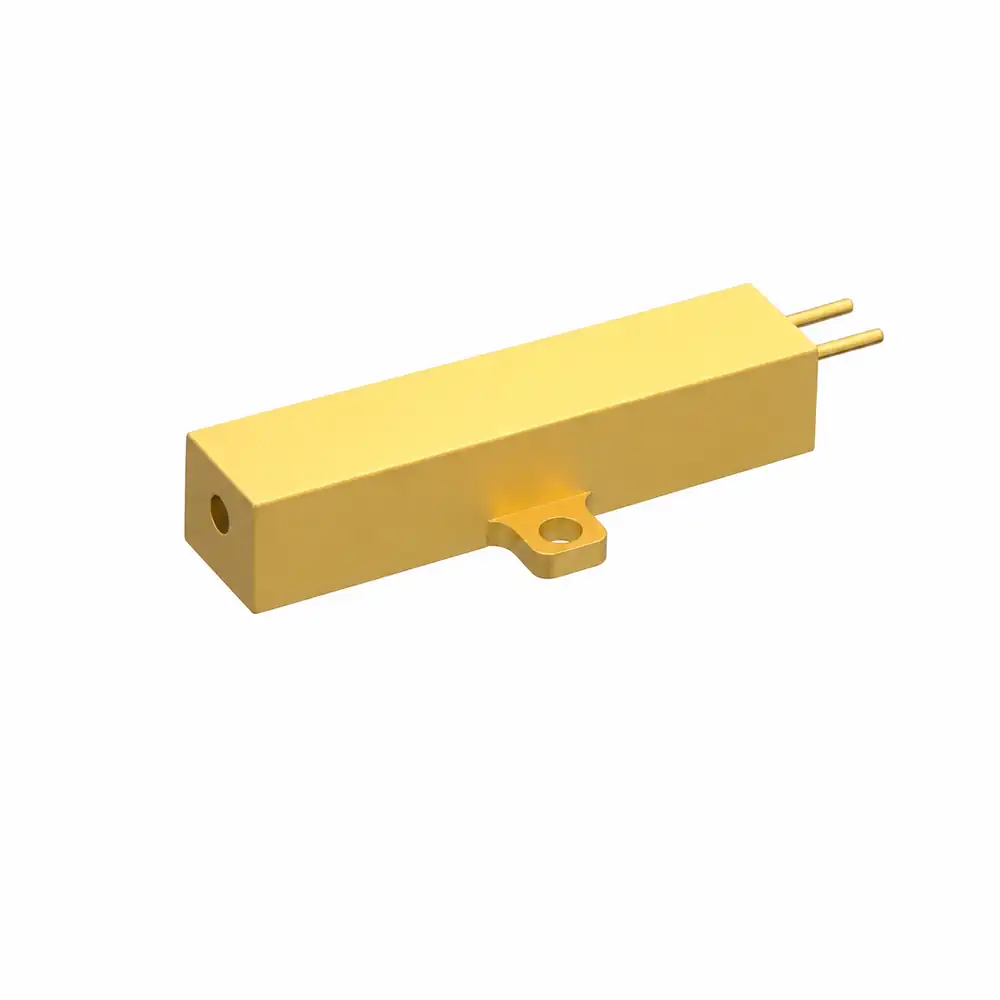
1535-LXER400
400 µJ at 1535 nm; 1–10 Hz repetition; 3–6 ns pulse width; ≤15 mrad divergence.
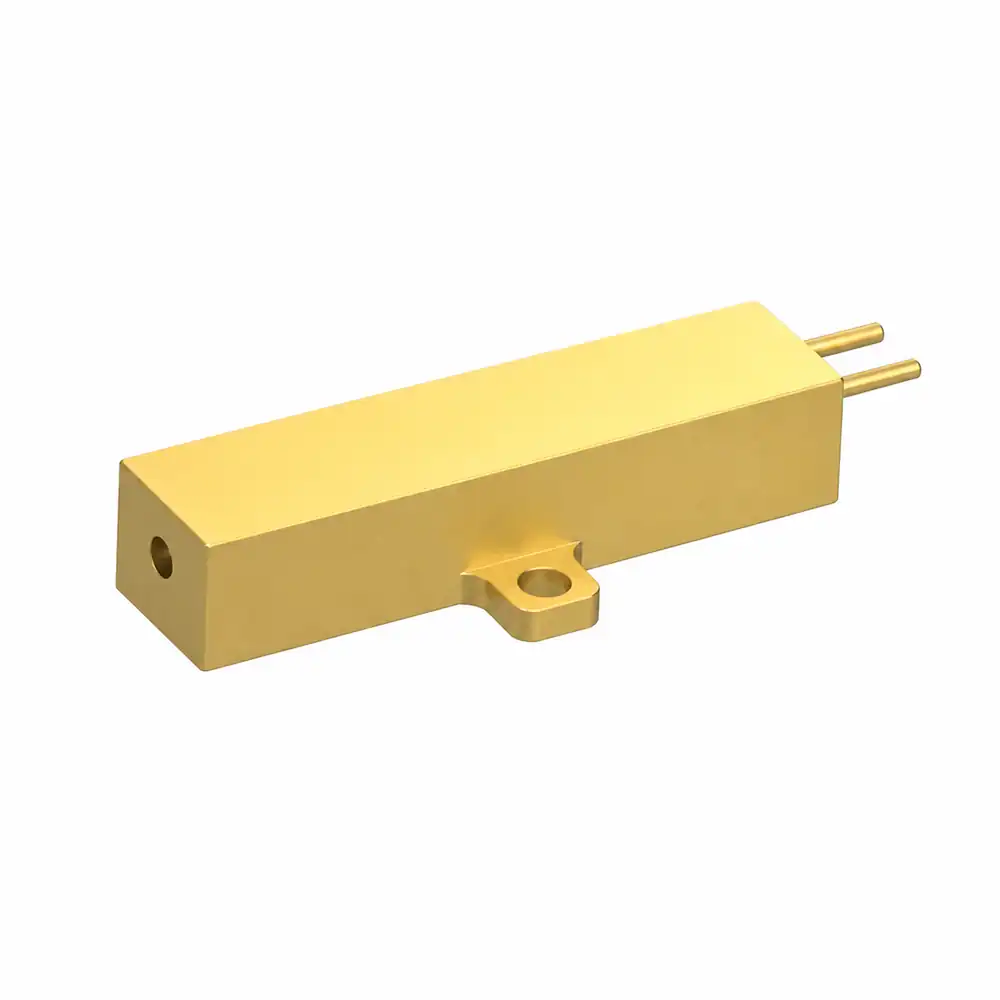
1535-LXER500
500 µJ at 1535 nm; 1–10 Hz repetition; 3–6 ns pulse width; ≤15 mrad divergence.
Model comparison
The table is a selection aid, not an integration release document. Interface, mechanical envelope and test conditions are confirmed in the model-specific technical specification.
| Model | Pulse energy | Repetition | Pulse width | Divergence | Supply | Operating temperature | Weight |
|---|---|---|---|---|---|---|---|
| 1535-LXER040 | 40 µJ | 1000 Hz | 3–6 ns | ≤15 mrad | <2 V | −40 to +65°C | — |
| 1535-LXER100 | 100 µJ | 1–10 Hz | 3–6 ns | ≤10 mrad | <2 V | −40 to +65°C | 9 g |
| 1535-LXER200 | 200 µJ | 1–10 Hz | 3–6 ns | ≤10 mrad | <2 V | −40 to +65°C | 9 g |
| 1535-LXER300 | 300 µJ | 1–10 Hz | 3–6 ns | ≤10 mrad | <2 V | −40 to +65°C | 9 g |
| 1535-LXER400 | 400 µJ | 1–10 Hz | 3–6 ns | ≤15 mrad | <2 V | −40 to +65°C | 11 g |
| 1535-LXER500 | 500 µJ | 1–10 Hz | 3–6 ns | ≤15 mrad | <2 V | −40 to +65°C | 13 g |
Specification note: 1535 nm wavelength, pulse energy, repetition rate, pulse width and divergence values are model-specific published values. “—” means the public source data does not list a value; request the relevant datasheet for the selected model.
Laser-source fundamentals
Energy is stored in the erbium-doped glass gain medium and released as a short optical pulse when the passive Q-switch changes the resonator loss. The resulting pulse energy, width, beam divergence and repetition rate are interdependent design parameters—not independent settings to optimise in isolation.
The active glass stores pump energy and provides the 1535 nm laser transition.
Supports compact pulsed operation without an externally driven Q-switch.
Output optics set the delivered beam geometry for the host optical path.
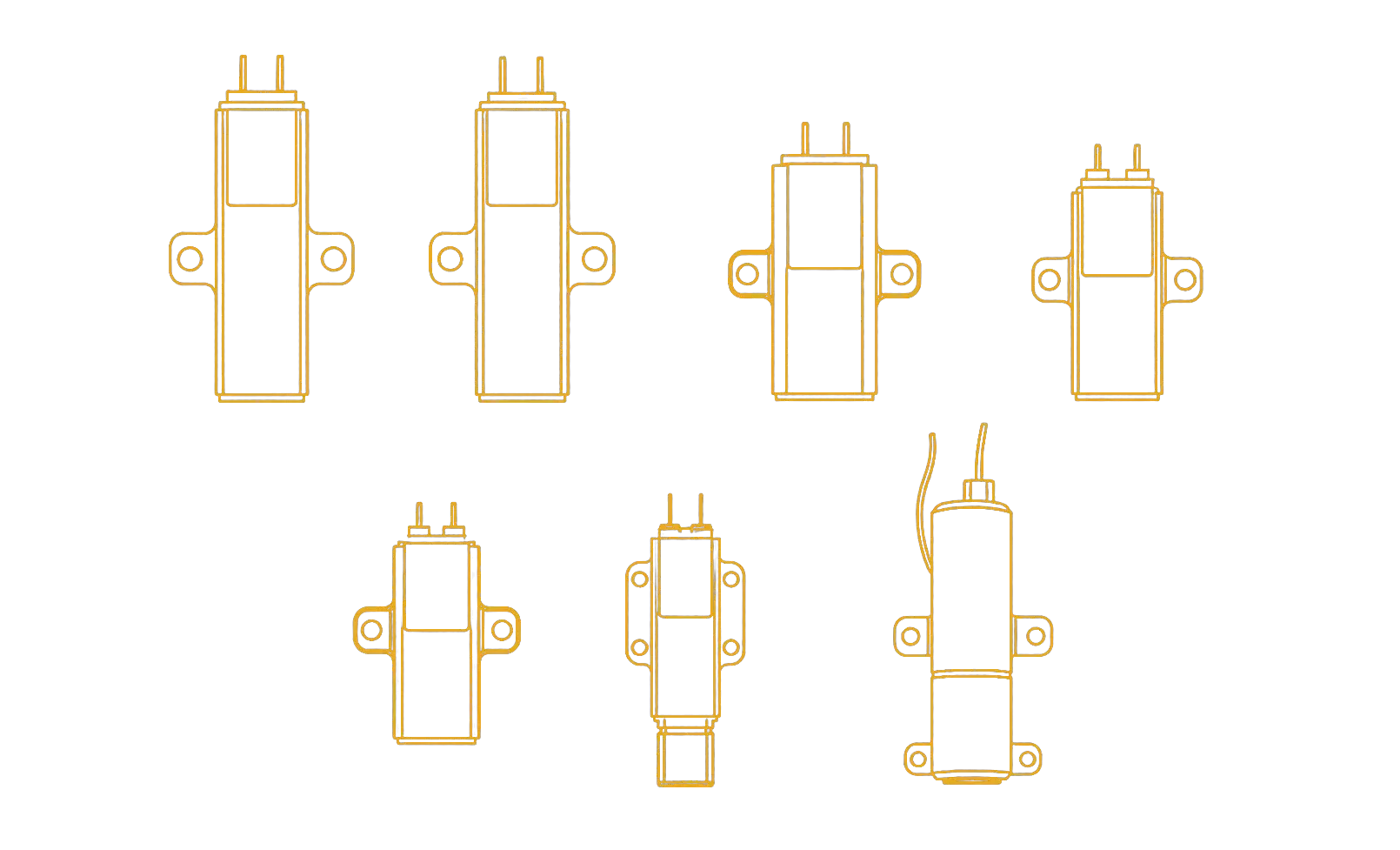
Mounting, connector and aperture details must follow the selected model drawing.
Selection knowledge
A source should be evaluated as part of the complete optical and electrical system. These inputs help define the initial model shortlist and the engineering questions for sample testing.
Pulse energy sets the optical energy available per emission. Select it against required system signal margin, receiver sensitivity, optical losses and the final safety assessment.
Divergence controls how rapidly the beam expands. A host expander, aperture and alignment tolerance all influence the delivered footprint.
Repetition rate must match acquisition timing, thermal budget and host processing. The 40 µJ model is specified at 1000 Hz; other listed models are 1–10 Hz.
Shorter pulses can support time-of-flight resolution, but the full system response also includes detector, electronics, timing and signal-processing limits.
For small angles, use full-angle divergence θ in radians and propagation distance R. Include the source’s initial beam diameter, host optics and alignment tolerance in the detailed model. Confirm the divergence definition in the selected model’s specification.
Application solutions
Application fit depends on pulse energy, divergence, repetition rate, the host optical path and receiver architecture. Representative system testing is recommended before design release.
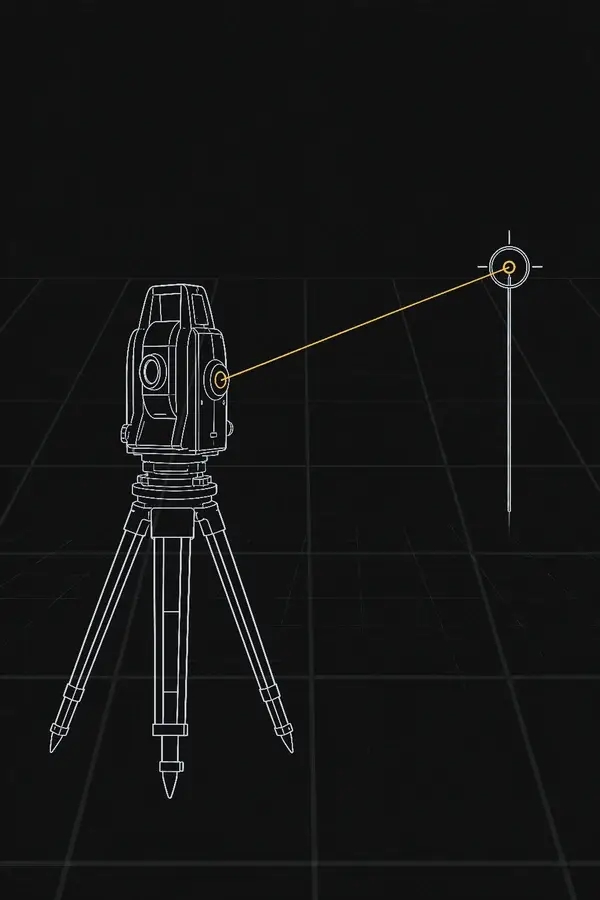
Pulsed-source building block for compact ranging instruments and integrated measurement subsystems.
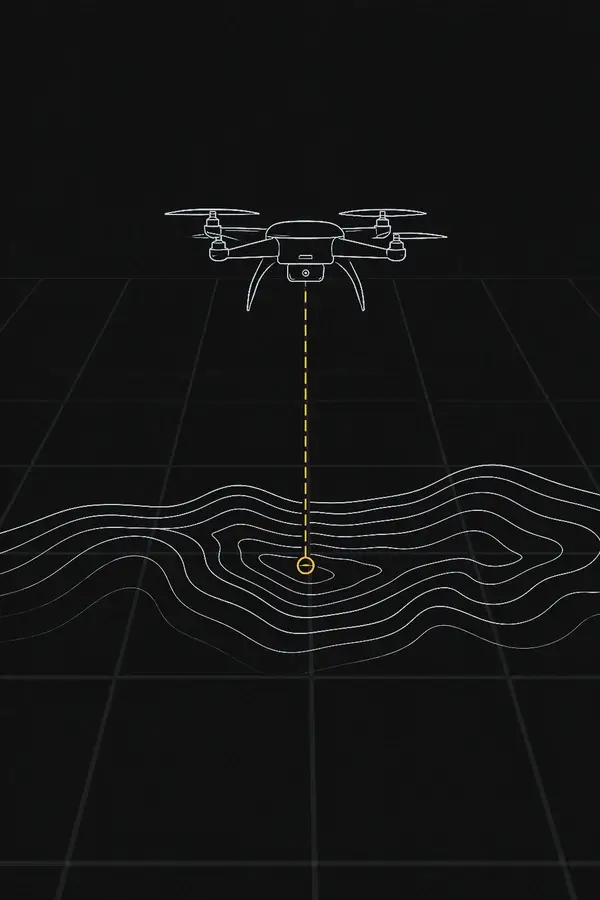
Source integration for civil mapping systems that combine pulsed transmission, timing, scanning and receiver architecture.
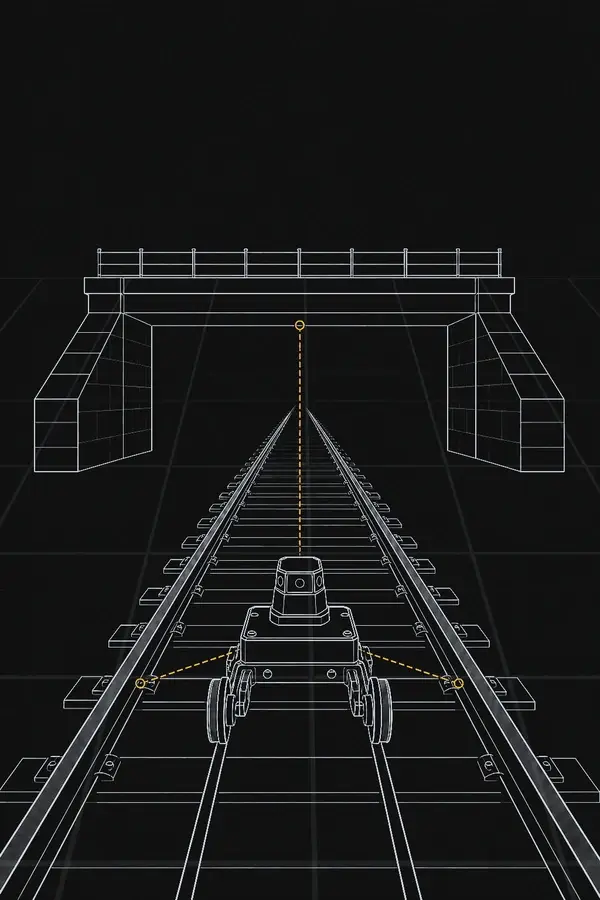
Supports optical measurement workflows for railway and fixed infrastructure inspection equipment.
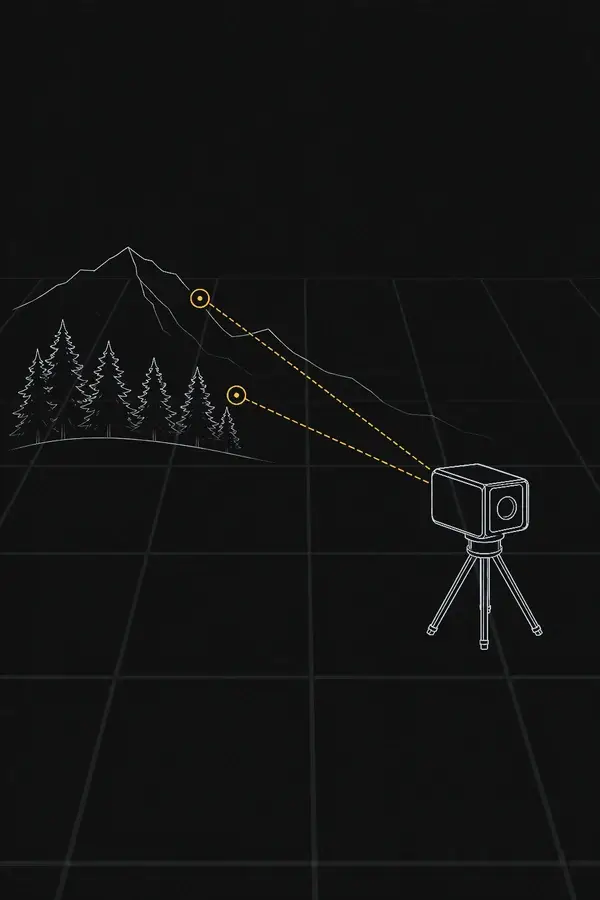
A compact 1535 nm pulsed source option for laboratory and field research instrumentation.
Mechanical & electrical integration
A laser source is only one part of the final instrument. Use the model-specific drawing and pinout as the integration baseline, and validate the assembled system including optics, mounting, cabling, supply stability and operating environment.
Protect the output aperture, maintain clear aperture and control alignment with the host optical axis.
The published source specification lists <2 V supply. Confirm start-up, drive current and grounding in the selected datasheet.
Use the model drawing to locate fastening points, keep-out zones and thermal interfaces.
Test the finished host, not just the bare source, for optical performance and safety compliance.
Manufacturing, testing & delivery
Repeatable supply depends on controlled assembly, model-level testing, interface confirmation and protective packing. The exact acceptance plan and documentation are defined for the quoted configuration.
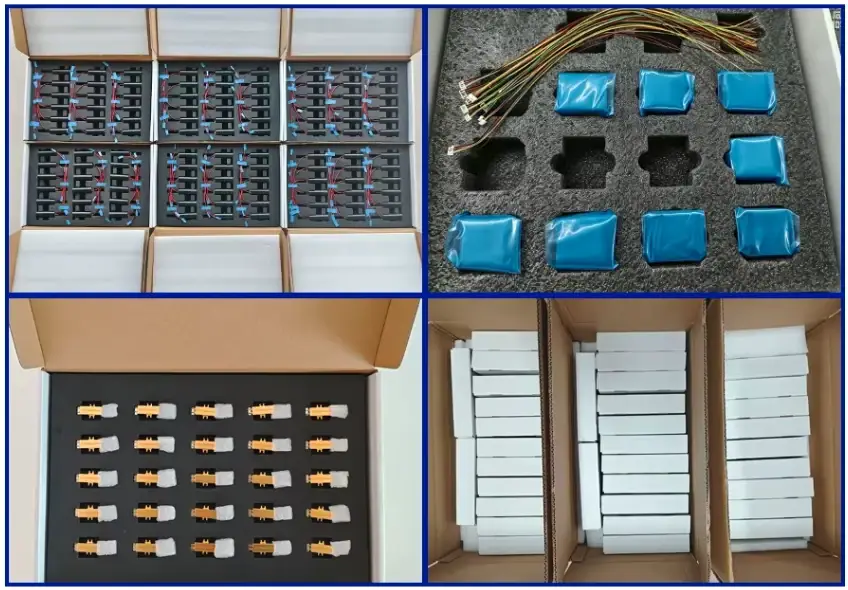
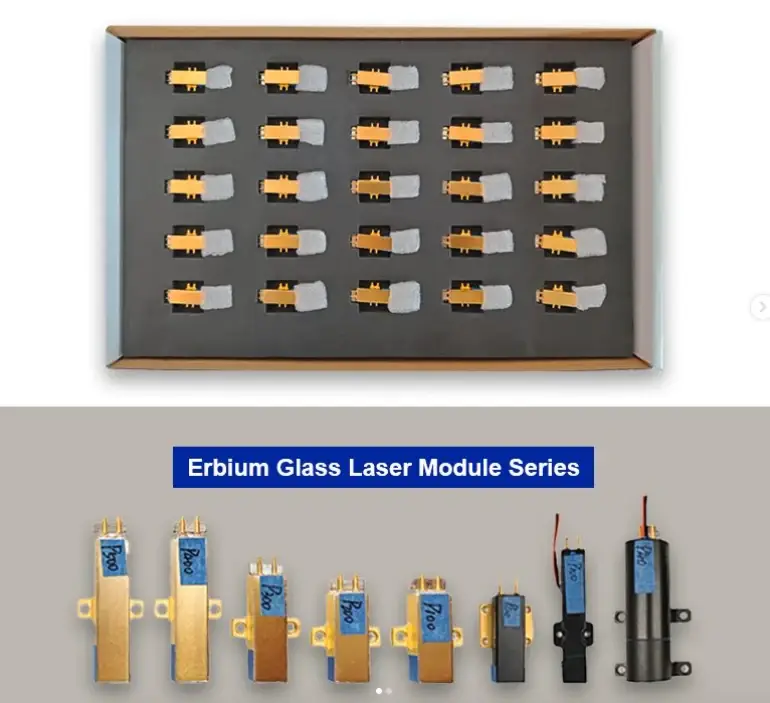
Verify output against the selected 1535 nm source specification.
Measure output energy against the relevant model acceptance value.
Check pulse width and repetition behaviour for the selected operating mode.
Confirm beam alignment and divergence against the product requirement.
Confirm model identity, interface leads, package condition and order-specific documentation.
Separate the source units and protect optical and electrical interfaces for the handling route.
Pre-sales FAQ
These answers provide a practical starting point for source selection and quotation. Exact interfaces, acceptance criteria and drawings are confirmed for the selected model.
Start with the system’s optical link budget, receiver sensitivity, desired signal margin, host-optics transmission, range or sensing requirement and thermal/electrical limits. Higher pulse energy is not automatically the correct answer; the delivered beam, measurement cadence and final system assessment matter together.
The published 1535-LXER040 specification lists 1000 Hz. The 100–500 µJ models listed on this page are specified at 1–10 Hz. Confirm the required operating mode and duty cycle in the selected product datasheet.
Yes. Request the model-specific technical specification, mechanical drawing and available interface documentation during the quotation or sample-evaluation stage. These documents should be used as the design baseline rather than generic category-page values.
It describes the angular spread of the delivered beam. It influences the beam footprint, downstream aperture sizing and alignment tolerance. Host optics may further shape the beam, so calculate the complete optical path and verify it during system testing.
We can evaluate OEM requirements for mechanical interface, electrical connection, optical configuration and programme documentation. Feasibility depends on the requested performance, production volume, validation scope and the final host application.
Provide the target application, required pulse energy or signal margin, operating repetition rate, host optical layout, available space and mass, supply conditions, expected temperature range, expected quantity and target validation date.
No. The source is an OEM component. The final instrument must be assessed in its completed optical, electrical and operating configuration against the applicable product and laser-safety requirements.
Engineering support
Send your pulse-energy target, repetition rate, optical layout, mechanical envelope and operating conditions. We will help identify the most suitable model and the engineering documents needed for evaluation.