
Skip to content
  • Home
  • Products
    • Er:Glass Laser
    • Rangefinder Module
    • Fiber Couled Laser Diode
    • Lidar Pulsed Fiber Laser
  • Resources
  • About
  • Contact
  • Technology
  • Solutions
  • Laser 101
Contact Sales
  • HOME
  • Products

    Rangfinder Module

    • 1535nm 3km
    • 1535nm 5km
    • 1535nm 6km
    • 1535nm 8km
    • 1535nm 10km
    • 1535nm 15km

    LIDAR Pulsed Fiber Laser

    • 1535nm 1.2kW
    • 1550nm 1.6kW
    • 1550nm 3 kW
    View All

    Fiber Coupled Laser

    • 525nm Green Laser ( 3.2W - 27W)
    • 790, 792, 808, 878.6 ,885 , 888nm ( 25W - 400W)
    • 915, 976 nm ( 120W - 1000W )

    Erbium Doped Glass Laser

    • 1535nm 40 μJ
    • 1535 nm 100 μJ
    • 1535 nm 200 μJ
    • 1535 nm 300 μJ
    • 1535 nm 400 μJ
    • 1535 nm 500 μJ
  • Solution

    LUMEXIS SOLUTIONS

    Precision laser sources for real-world integration.

    Explore all solutions →
    LiDAR & 3D Mapping Civil UAV Ranging & Altimetry Infrastructure Inspection Laser Ranging Solutions Precision Ranging Laser Sources Distributed Temperature Sensing Fiber Laser Pumping Machine Vision & Optical Inspection PV Photoluminescence Inspection Spectroscopy & Fluorescence
  • About
  • Technology
  • Resources

Tag: Laser Ranging

Direct ToF vs Indirect ToF: Which Method Fits?
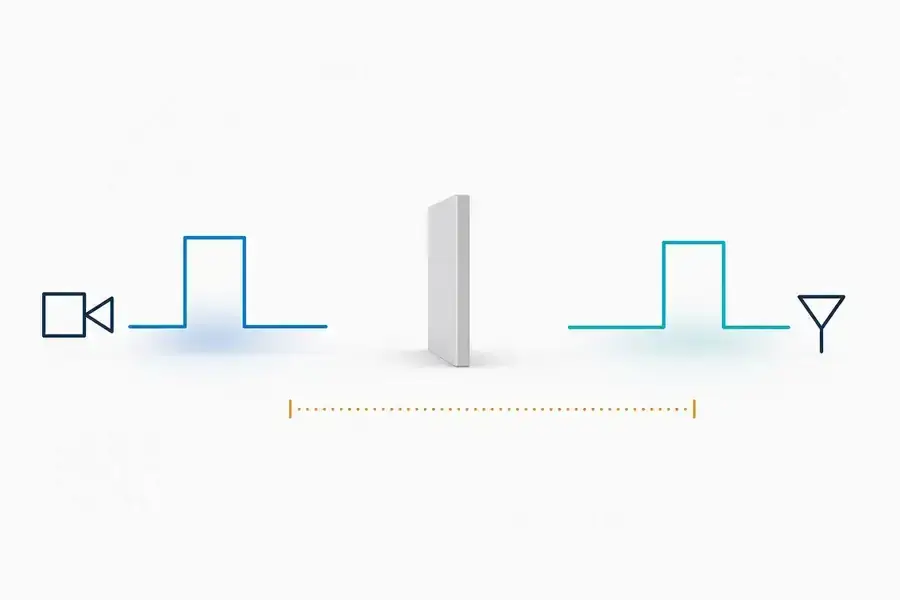
Conceptual industrial metrology scene comparing two generic sensing contexts across a neutral target panel.

Compare direct ToF vs indirect ToF laser ranging methods, their trade-offs, and the integration inputs OEM teams should define first.

What Is Laser Ranging? Principles and OEM Considerations
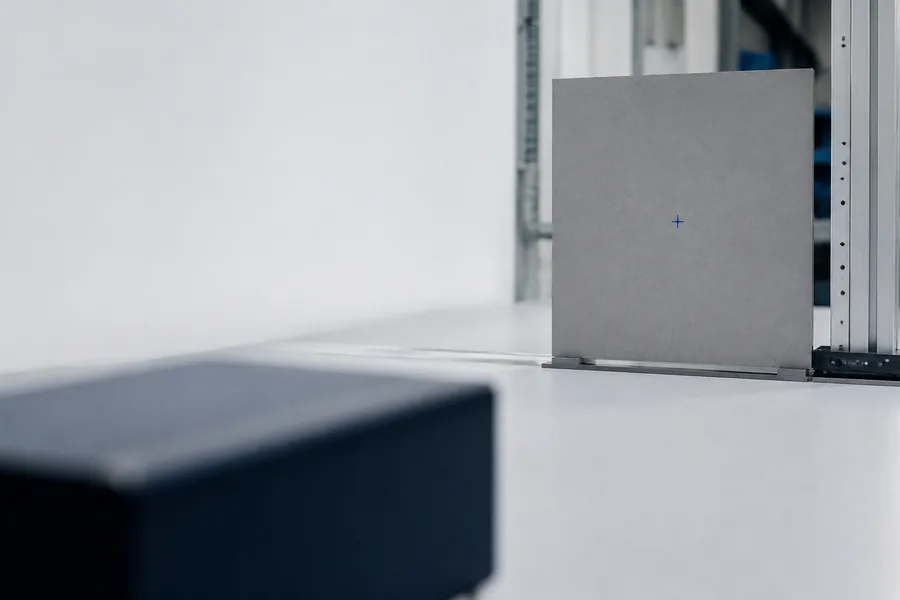
Conceptual industrial measurement scene with a neutral target panel positioned along a controlled optical work area.

What is laser ranging? Learn how time-of-flight and phase methods work and what OEM teams should evaluate before integration.

Laser Rangefinder Sensor vs Module: OEM Buyer Guide
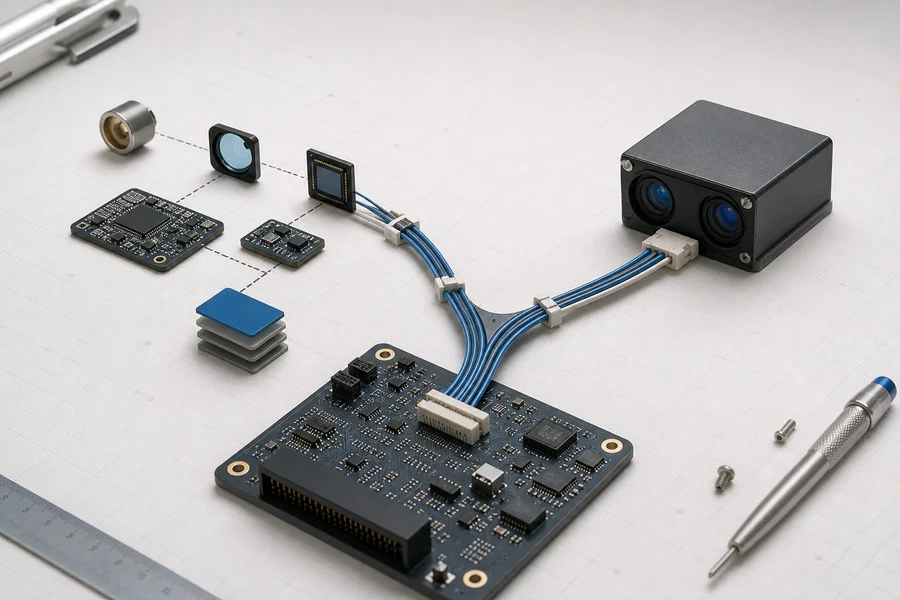
Conceptual OEM integration bench showing how a ranging sensor and a complete rangefinder module leave different engineering work to the host system.

Compare a laser rangefinder sensor with an OEM module by integration boundary, optics, interfaces, validation, and production responsibility.

OEM Laser Rangefinder Supplier: 8 Evaluation Tests

Conceptual supplier evidence dossier connecting an OEM requirement to sample, process, document, and production records.

Evaluate an OEM laser rangefinder supplier through sample evidence, manufacturing controls, scoped documents, change control, and production support.

How to Test Laser Rangefinder Modules Before Production
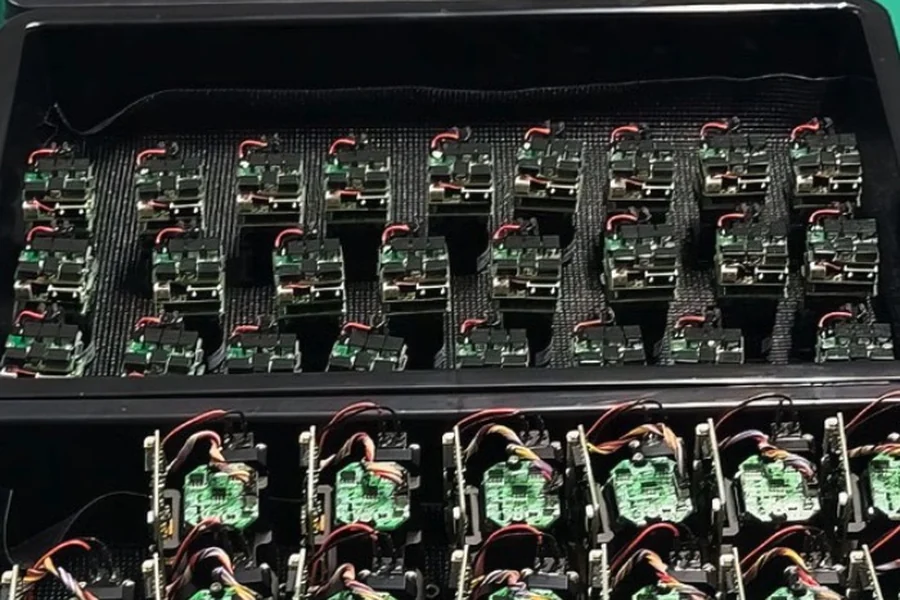
Trays of laser rangefinder module assemblies prepared for controlled pre-production evaluation.

Learn how to test laser rangefinder modules with controlled references, representative targets, repeatability checks, and production-ready records.

Laser vs Ultrasonic Distance Sensor: Selection Guide
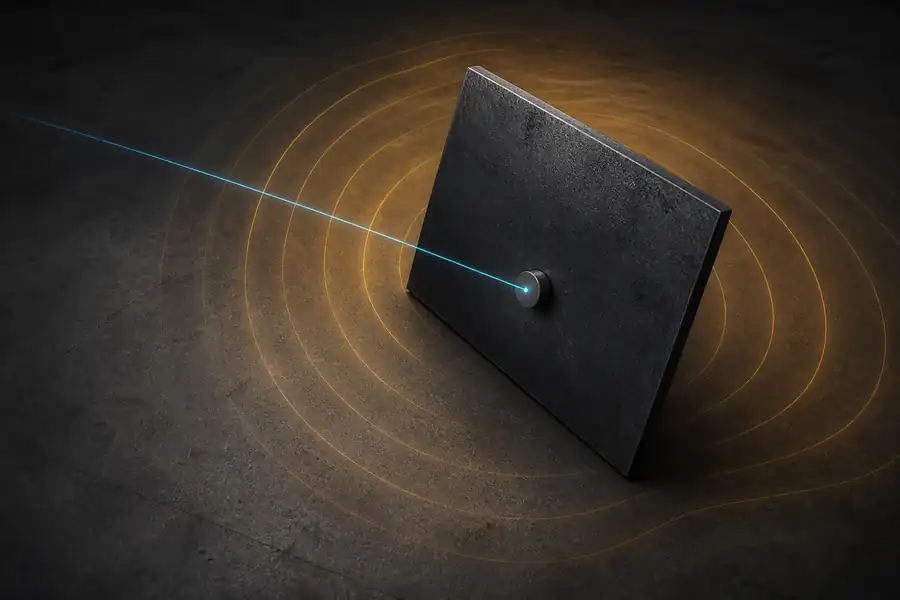
Conceptual comparison of a narrow optical ranging spot and a broad ultrasonic response region reaching an angled industrial target.

Laser vs ultrasonic distance sensor selection depends on target, footprint, environment, and timing. Compare failure modes and validation steps.

Laser Rangefinder vs LiDAR: Key Differences Explained

Conceptual comparison of one selected distance measurement and a spatial LiDAR point cloud of an industrial structure.

Laser rangefinder vs LiDAR comes down to output, coverage, calibration, and processing. Compare both architectures and choose the right system.

Laser Rangefinder Beam Divergence: Hit Probability Guide
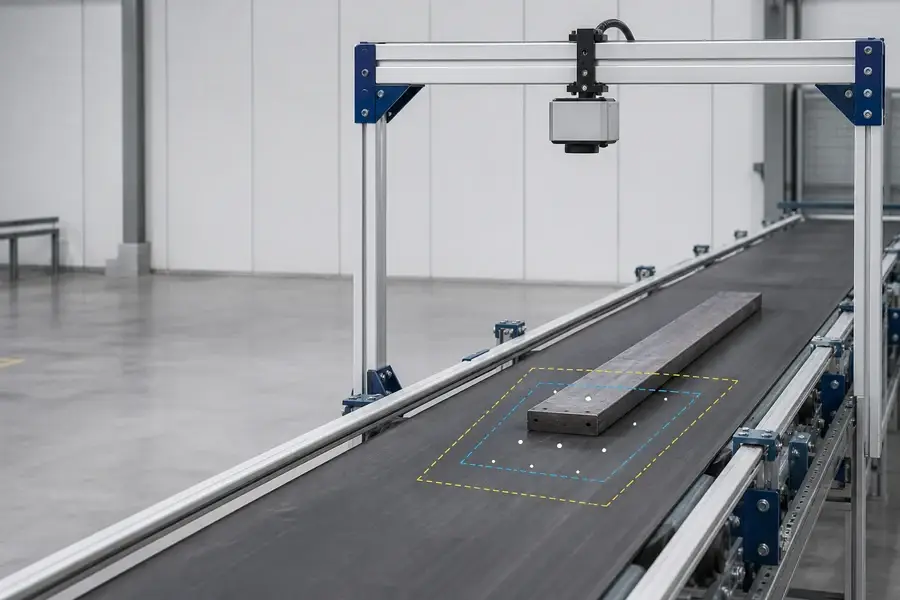
Conceptual industrial ranging head measuring a narrow moving target within an angular pointing-tolerance envelope.

Laser rangefinder beam divergence changes spot size, pointing tolerance, and return strength. Learn how to compare mrad specs and validate target hits.

Laser Rangefinder in Fog: Rain, Haze and Range Loss
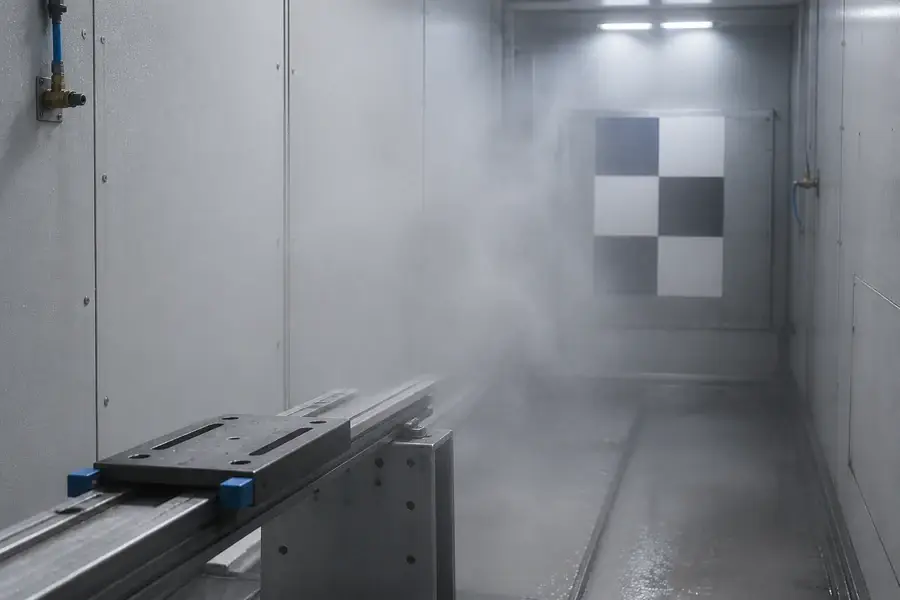
Conceptual controlled weather chamber with a distant reference target partially obscured by a shallow fog layer.

A laser rangefinder in fog loses range through attenuation and false echoes. Learn how rain and haze differ, what filters trade away, and how to test.

Rangefinder Target Reflectivity: What 10%, 30%, and 90% Mean
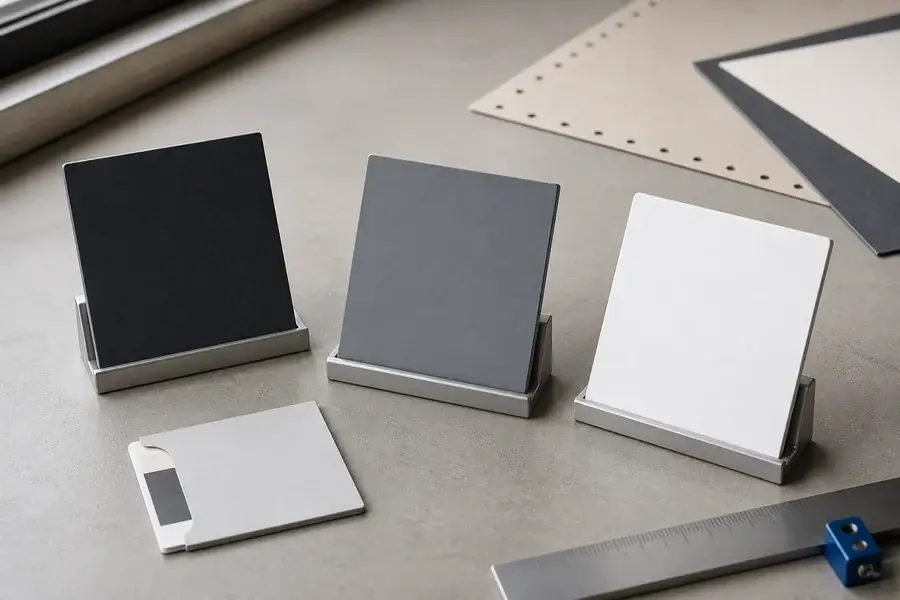
Three neutral reference panels representing low, medium, and high target reflectivity in a controlled optical measurement concept.

Rangefinder target reflectivity changes return strength, but 10%, 30%, and 90% are reference conditions—not a universal rule. Learn how to compare range claims.

Next →
Facebook Whatsapp Youtube Linkedin
  • +8615961536612
  • sales@lumexislaser.com
  • No. 99, Furong Middle Third Road, Xishan Economic Development Zone, Wuxi

Quick Quote Request

Contact Form Demo

Products

  • Rangeinder Module
  • Fiber Coupled Laser
  • Erbium Glass Laser
  • LIDAR Pulsed Fiber Laser

Solutions

  • Laser Ranging
  • UAV Ranging & Mapping
  • Ranging Laser Sources
  • LiDAR & 3D Mapping
  • Laser Pumping

Company

  • About Lumexis
  • Our Technology
  • Resources
  • Laser 101

© Copyright Lumexis Co., Ltd. 2026 All Rights Reserved

Sitemap | Cookie Policy | Privacy Policy

English
Spanish Russian Arabic German