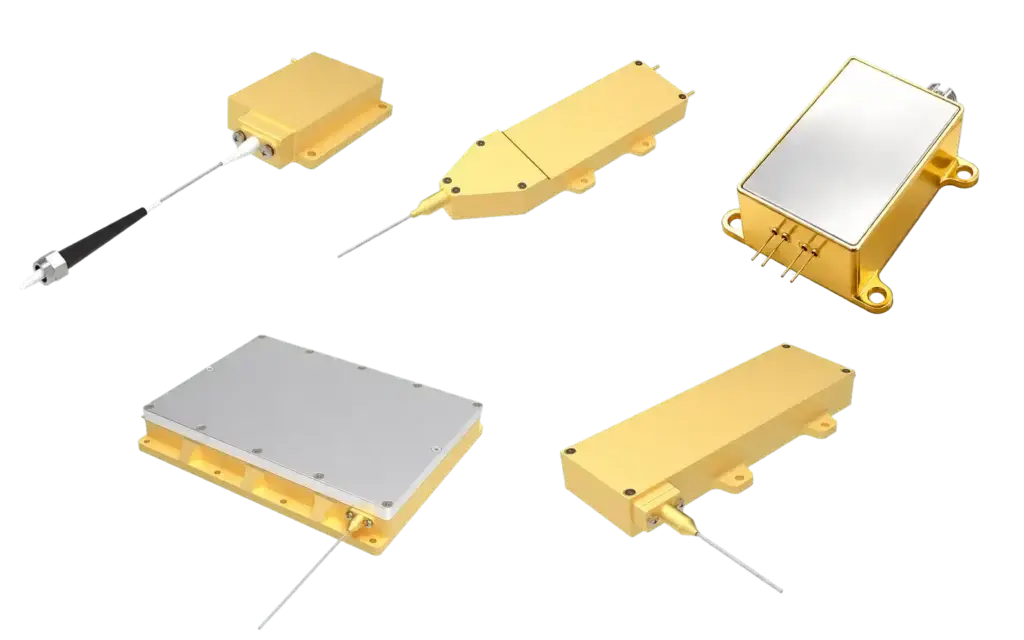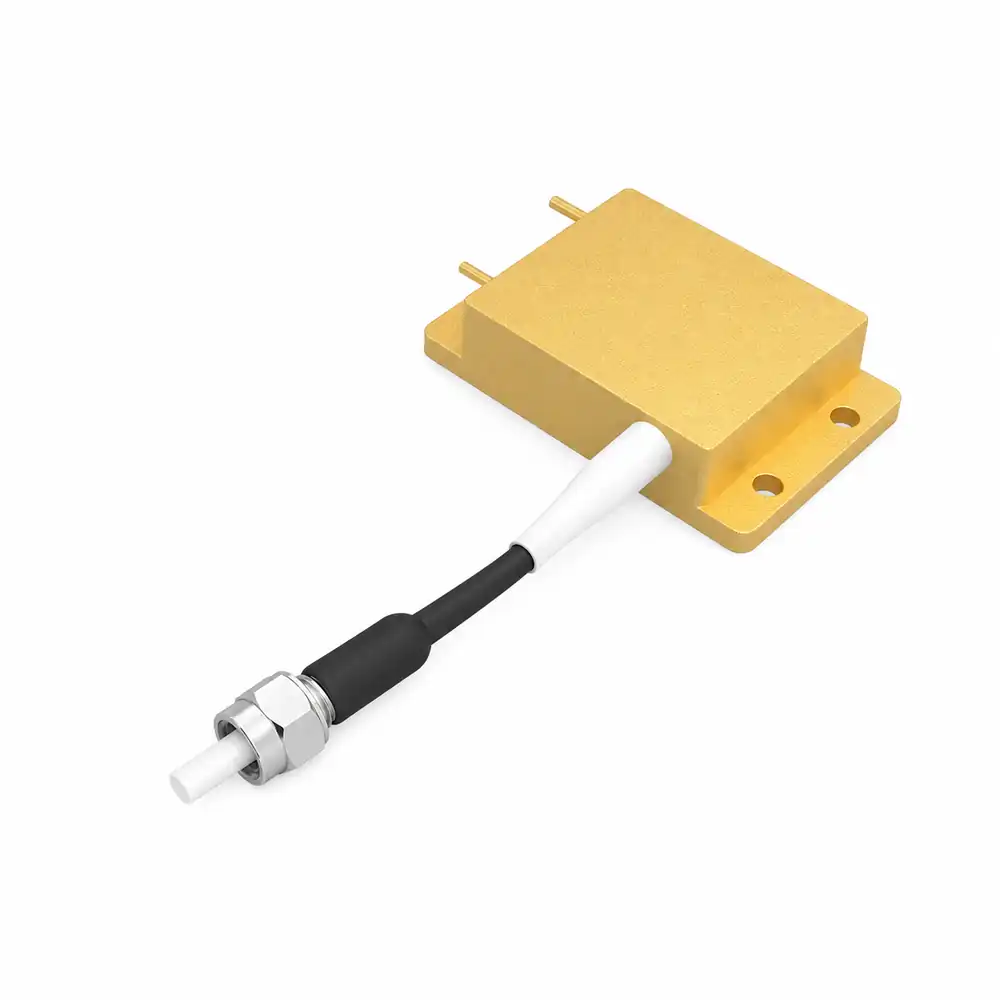
525-LXGX0003
525nm 3.2W Green Laser
50 µm fiber core with 2 A documented operating current.
Core: 50 µmCurrent: 2 A

Lumexis develops and manufactures fiber coupled lasers across 525, 808, 885 and 976 nm, with documented output classes from 3.2 to 750 W. The range includes dedicated 525nm Green Laser platforms plus near-infrared pump sources, with documented FC or SMA905 delivery, selected 0.22 NA configurations and fiber lengths up to 2 m. These sources support industrial laser pumping, machine vision, photovoltaic inspection, fluorescence and scientific instruments, while OEM engineering support connects wavelength and power to the required fiber, cooling, driver and package.
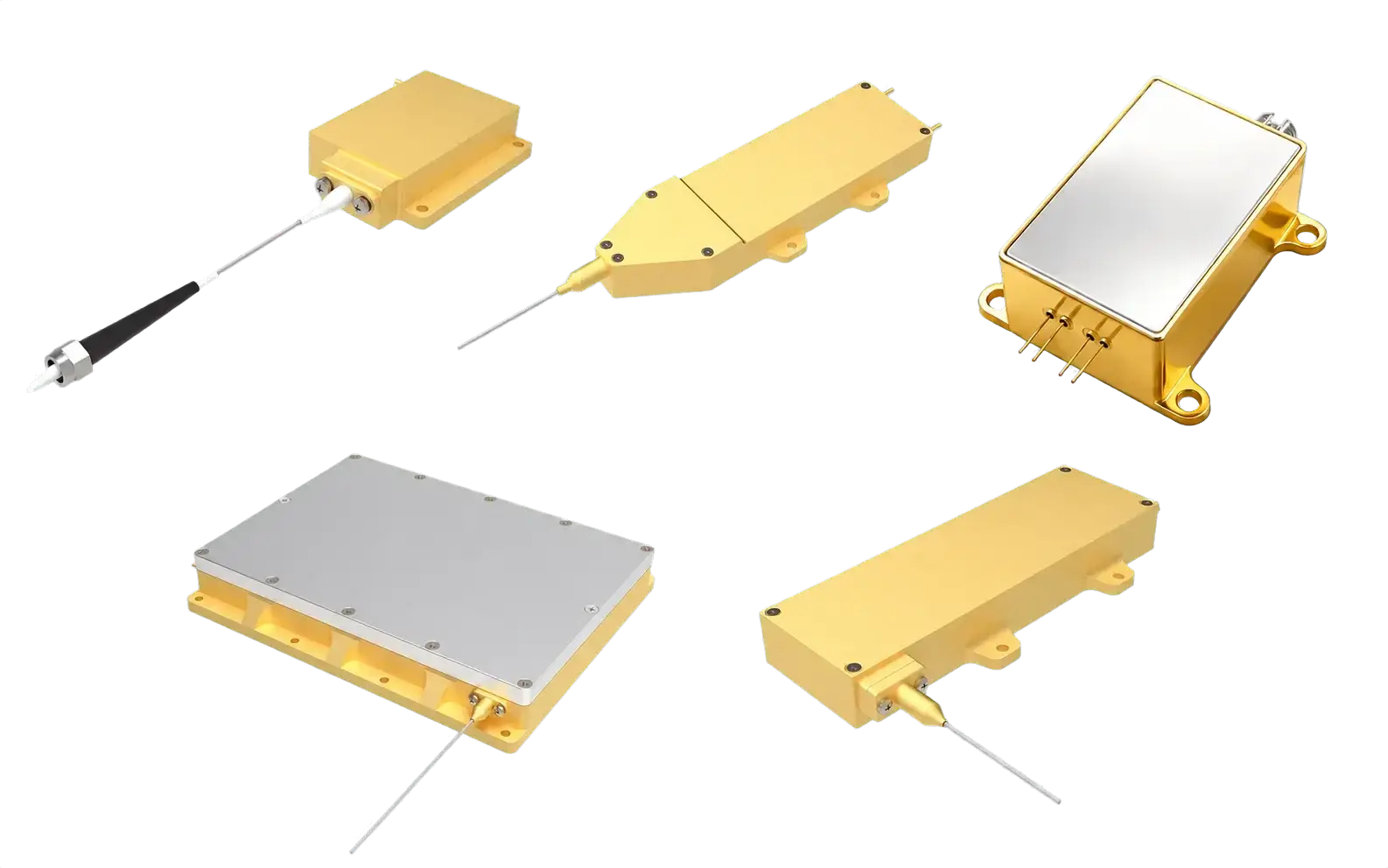
Product family overview
The source package, coupling optics, fiber core, numerical aperture, connector, thermal path and electrical driver form one delivery chain. Lumexis reviews these interfaces together so that the optical output specified at the module can be used predictably at the instrument.
The wavelength is selected by the pump medium, detector, sample or inspection target. The power class is then matched to the required delivered output, duty and thermal margin rather than selected in isolation.
Featured wavelength family
The Lumexis 525nm Green Laser family provides visible green output in seven documented power classes from 3.2 to 70 W. It is separated from our near-infrared fiber coupled lasers because green output serves a distinct search and engineering need: the wavelength can improve visual contrast, excite specific fluorescent materials and match visible-range optical instruments.
Selection still depends on more than color or nominal power. The optical train must account for fiber-core diameter, connector format, beam delivery, thermal load, drive electronics and the response of the target or sample at 525 nm.
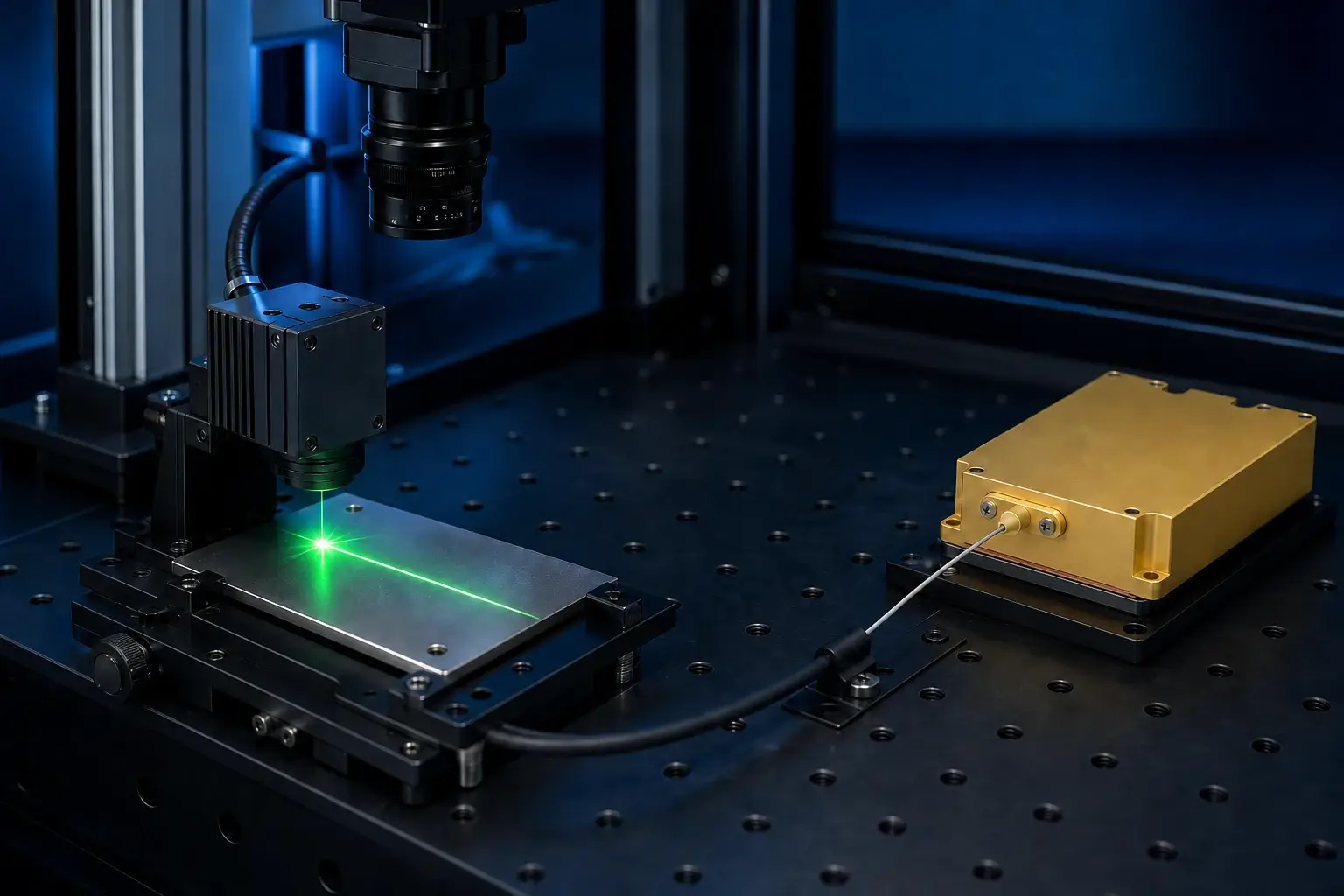 525 nm visible green
Complete product range
All models are displayed directly below. Start with the wavelength and delivered power, then compare fiber core, numerical aperture, connector, fiber length, electrical input and cooling requirements before design release.
Visible green output / 3.2–70 W
525-LXGX0003
50 µm fiber core with 2 A documented operating current.
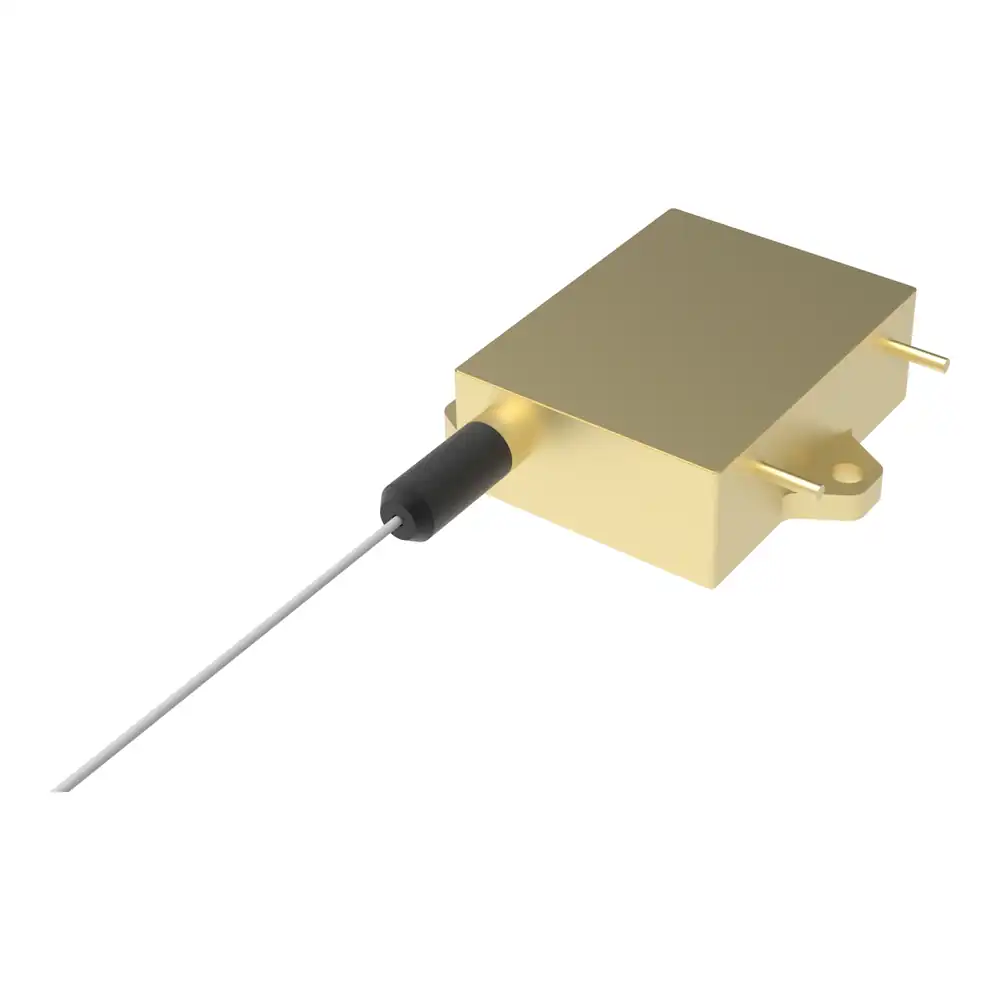
525-LXGX0004
50 µm fiber core with 2 A documented operating current.
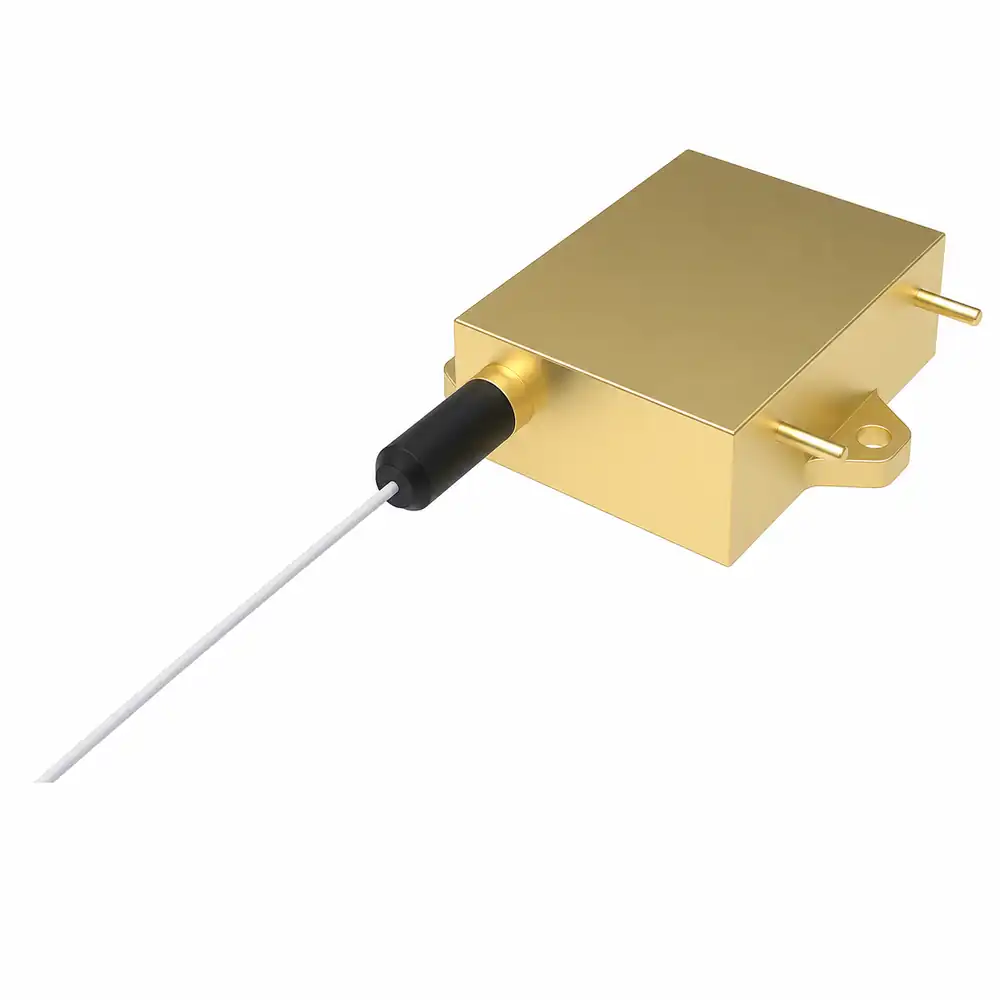
525-LXGX0005
105 µm fiber core with 2 A documented operating current.
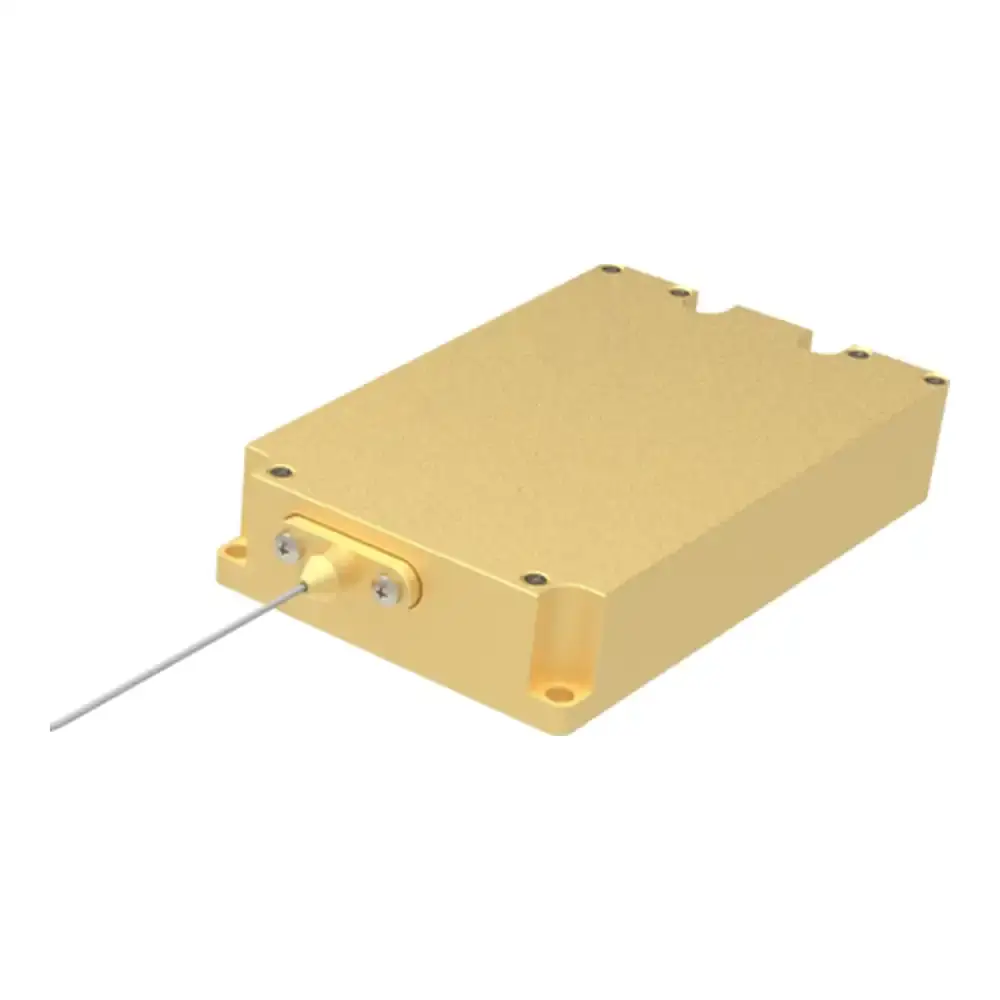
525-LXGX0015
60 or 105 µm fiber-core variants with documented 66 V, 2 A operation.
525-LXGX0020
200 µm fiber core with documented 66 V, 2 A operation.
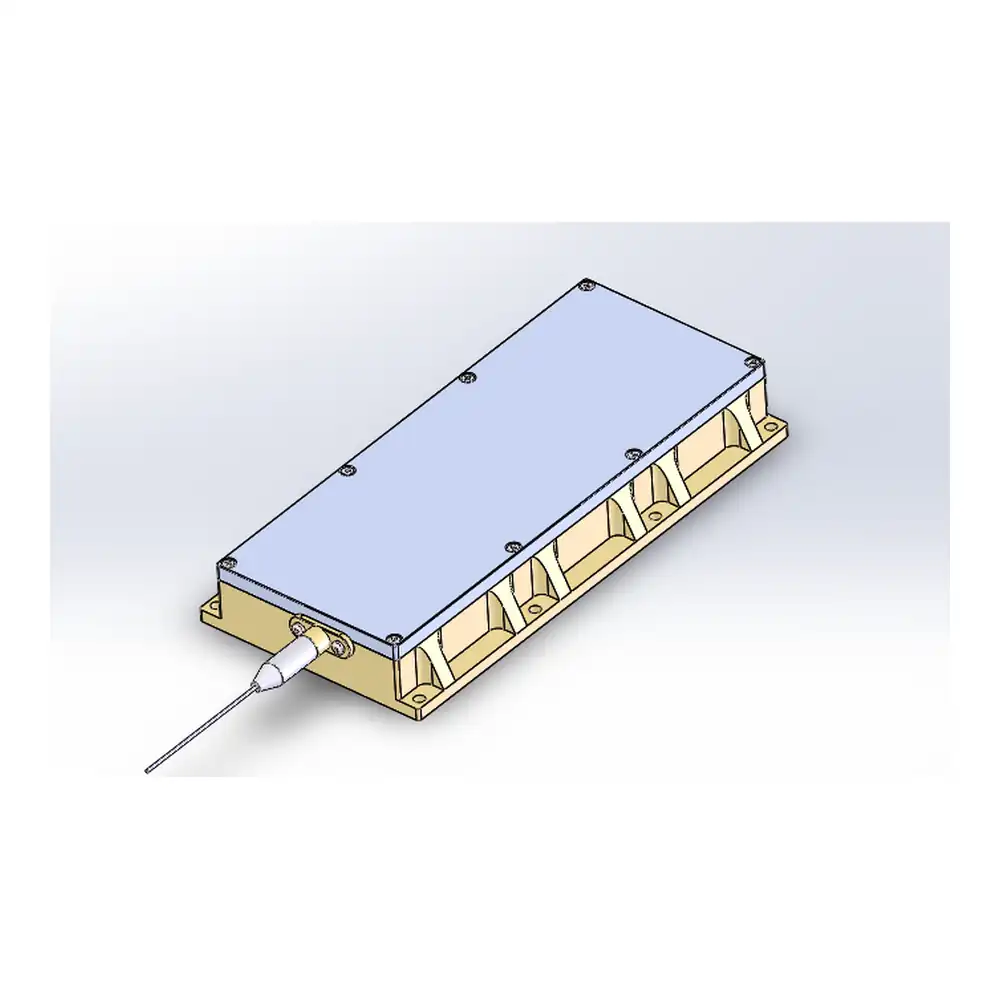
525-LXGX0035
105 µm fiber core with documented 2–2.2 A operating current.
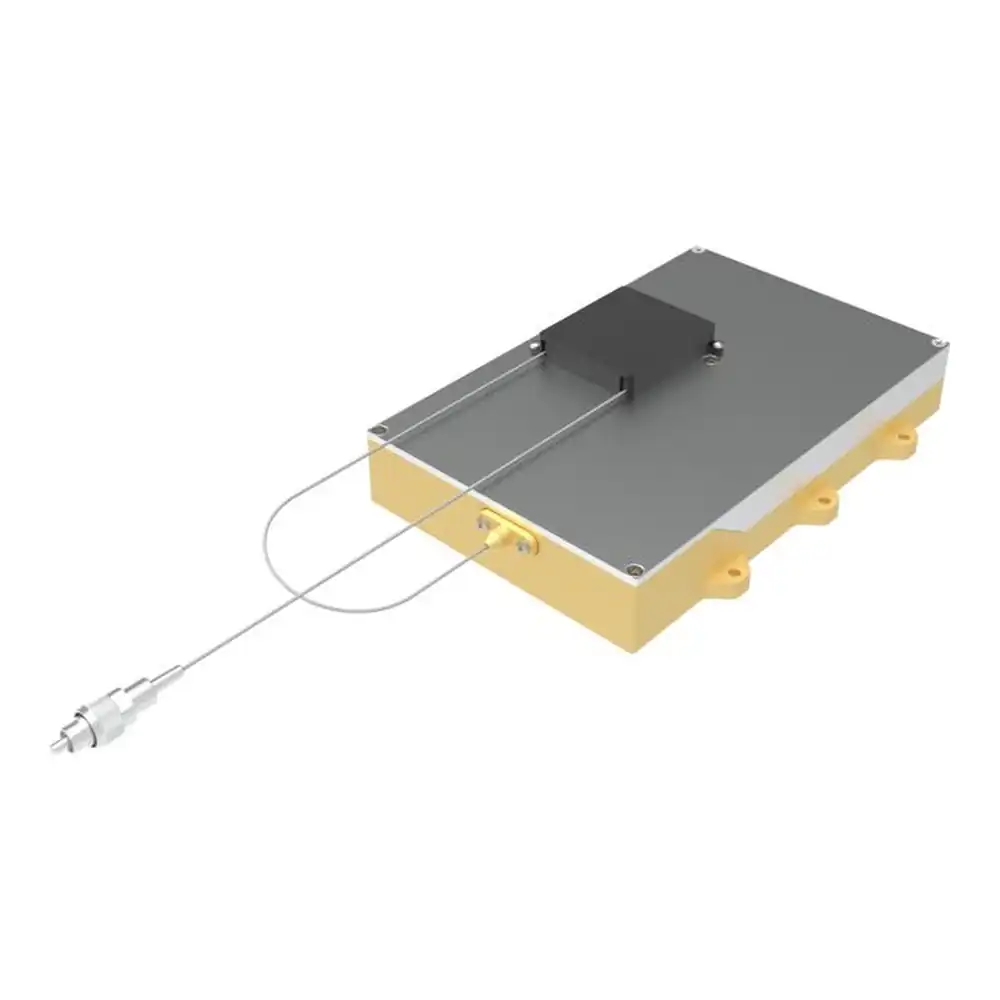
525-LXGX0070
200 µm fiber core with documented 264 V, 2 A operation.
Industrial pumping / 25–400 W
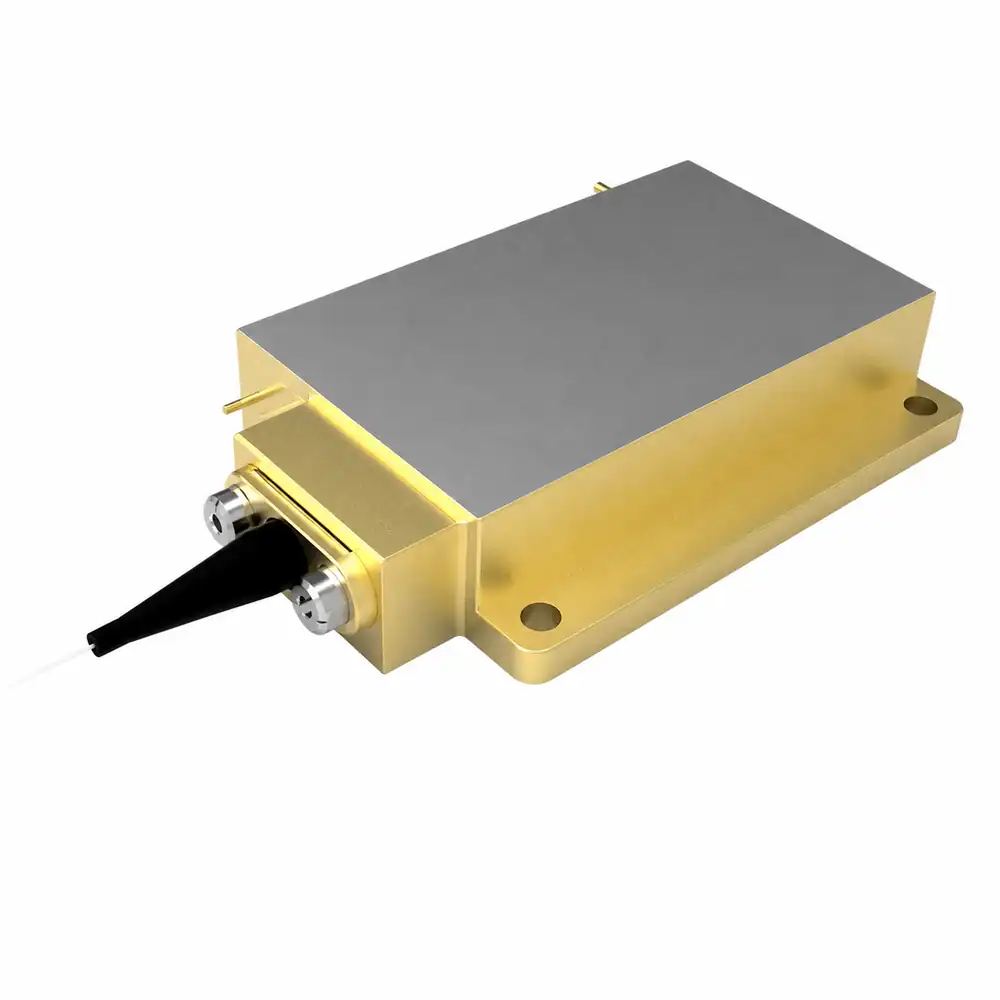
808-LXGX0025
105 or 200 µm variants with paired electrical configurations.
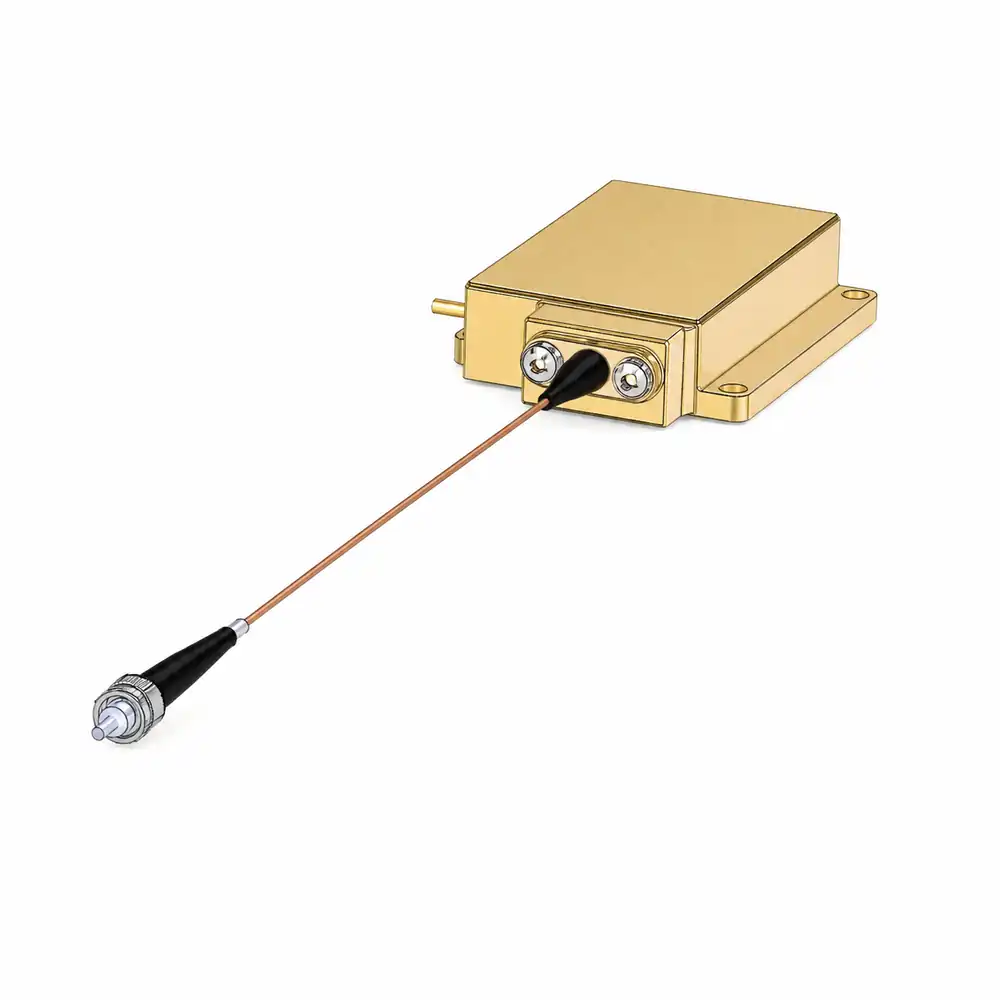
808-LXGX0050
200 µm fiber core with documented 11–12 V, 10–11 A operation.
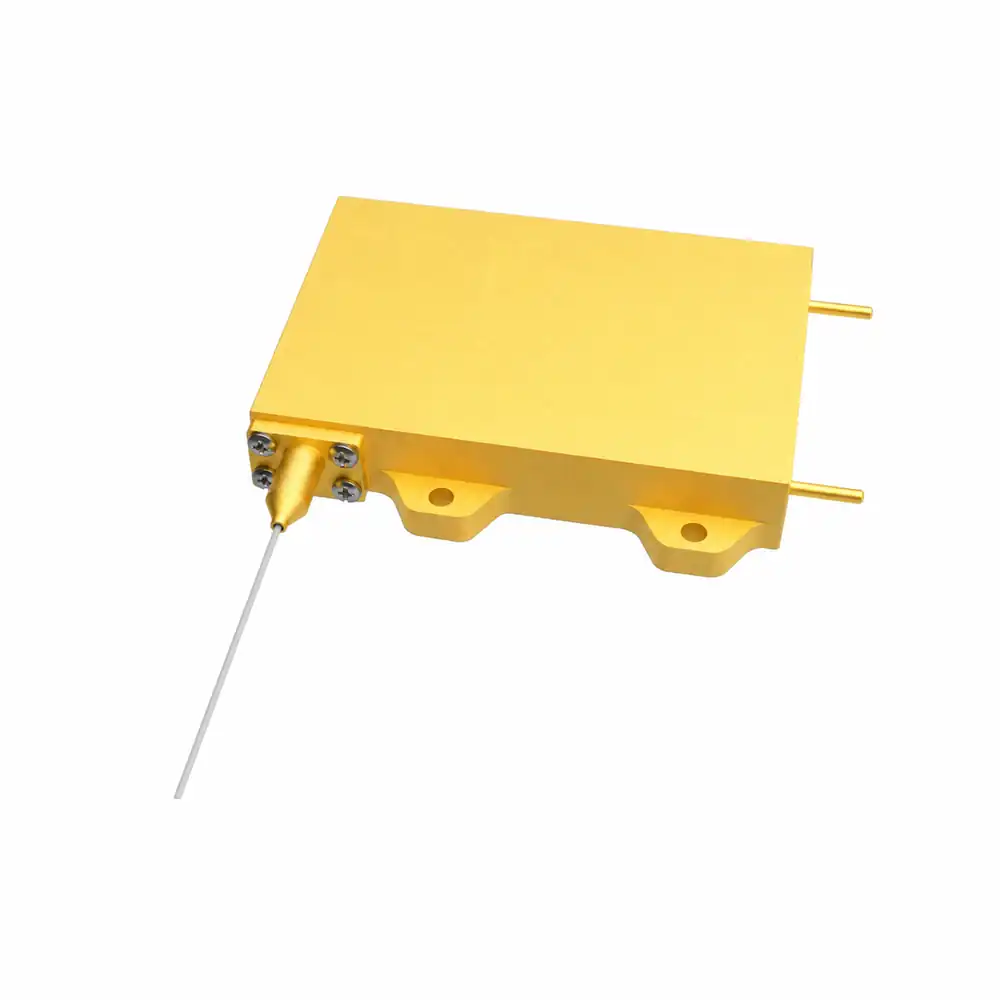
808-LXGX0150
135 or 200 µm fiber-core variants with the same documented electrical range.
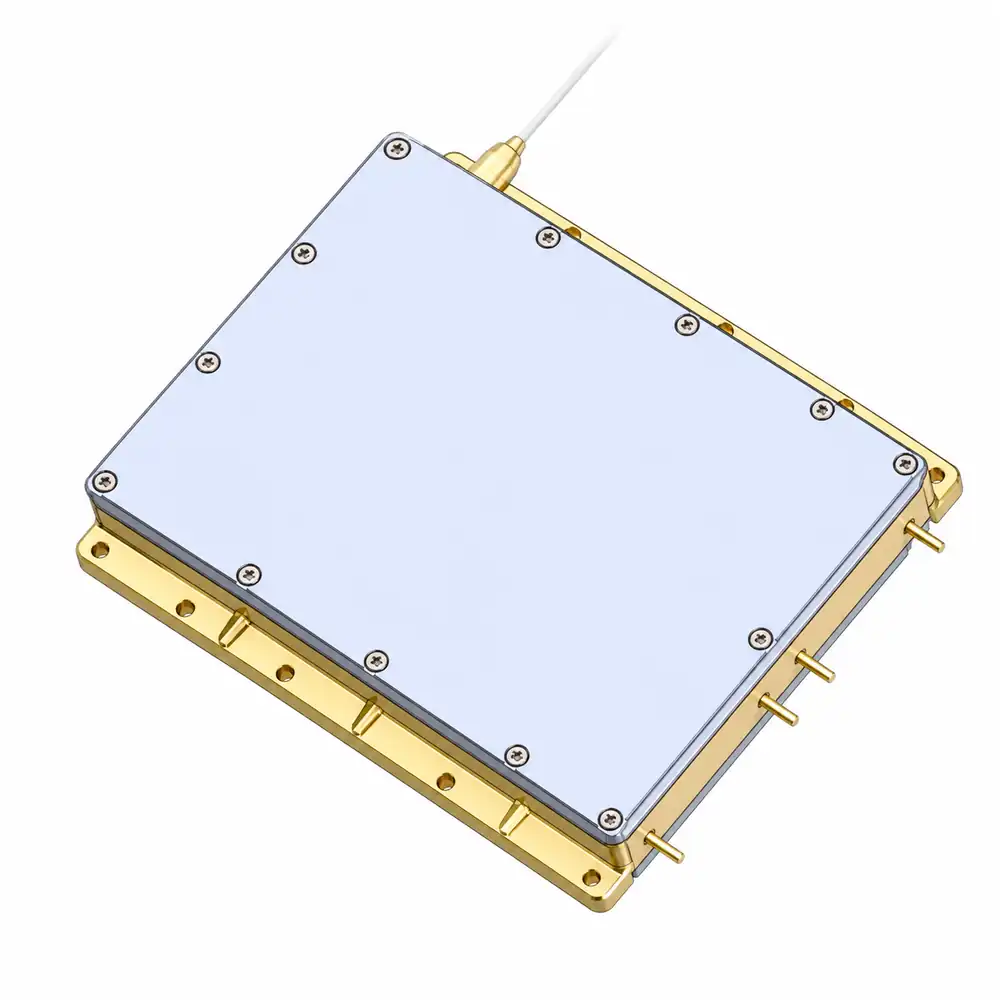
808-LXGX0400
200 or 400 µm variants with configuration-dependent voltage and current.
Narrow-spectrum pumping / 65–270 W
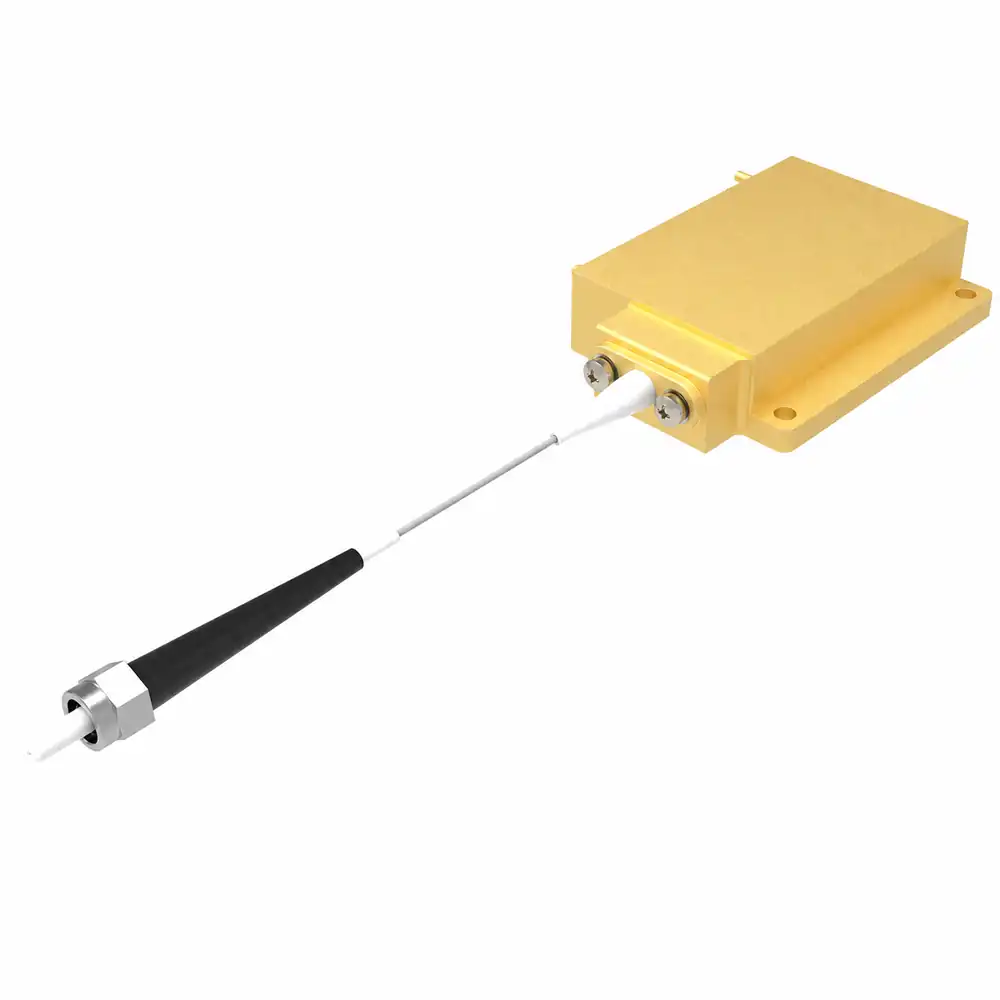
885-LXGX0065
200 µm fiber core with documented 10–12 V, 13–14 A operation.
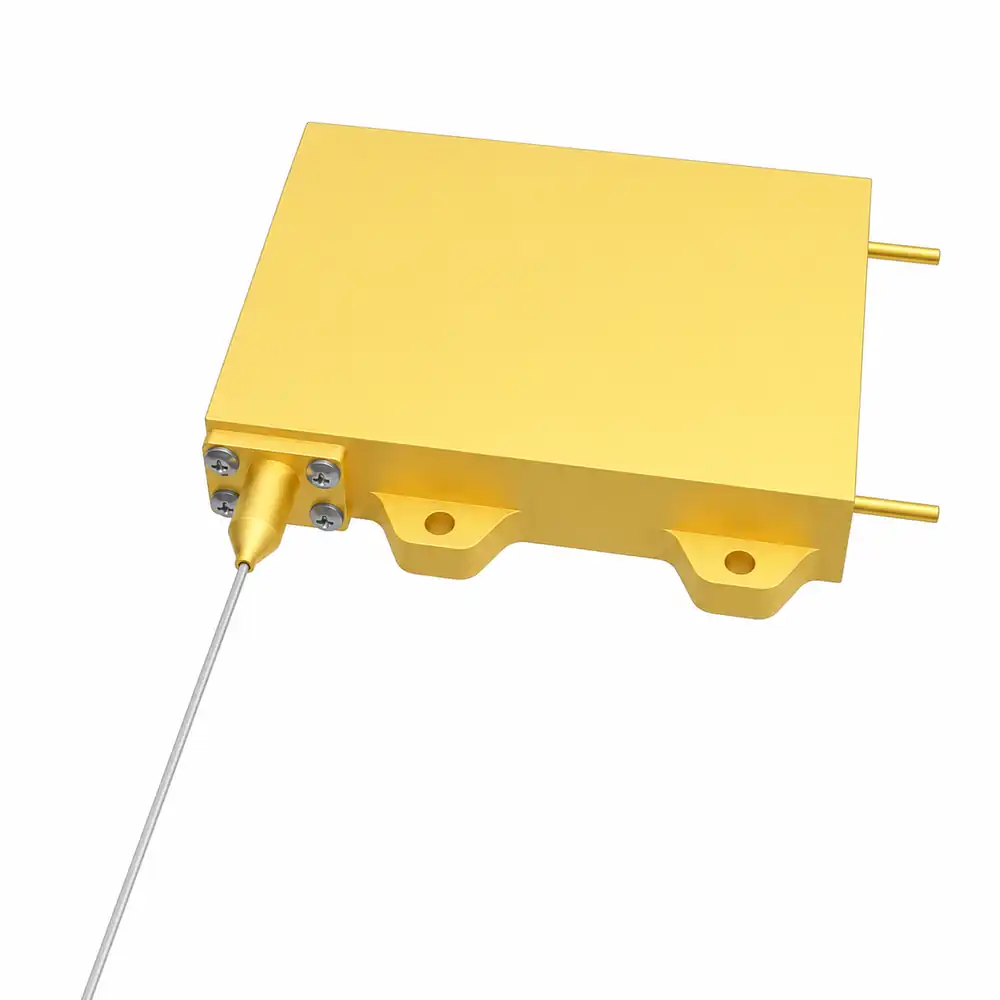
885-LXGX0120
200 µm fiber core with documented 20–22 V, 13–14 A operation.
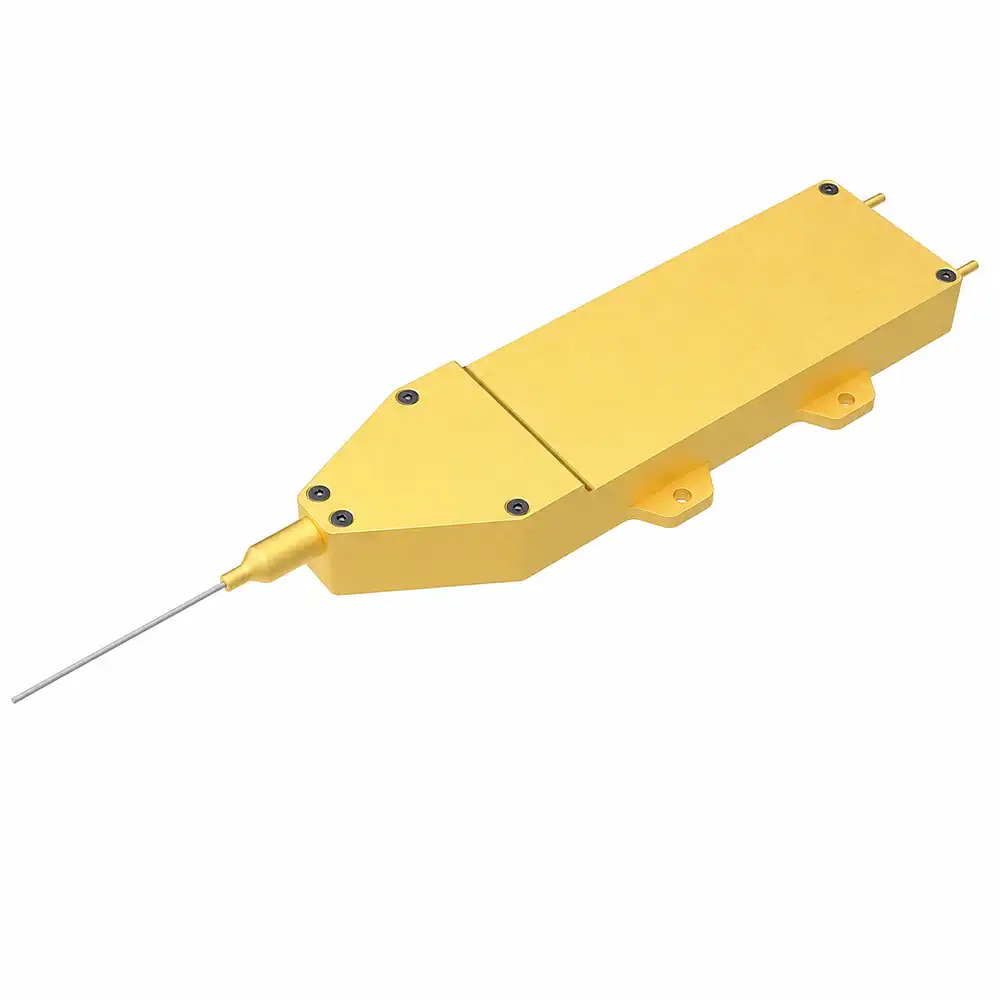
885-LXGX0270
200 µm fiber core with documented 40.5–42 V, 13–14 A operation.
High-power pumping / 120–750 W
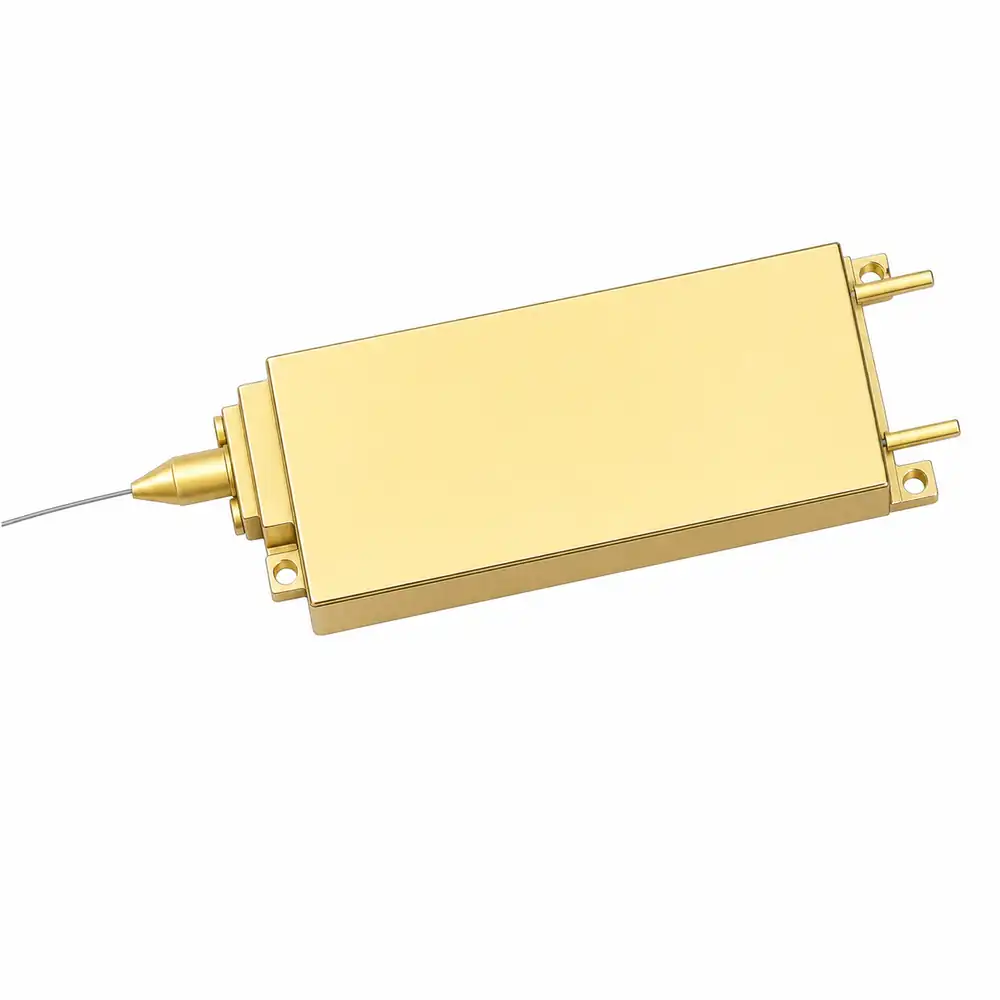
976-LXGX0120
105 µm fiber core with documented 19.5 V, 14 A operation.
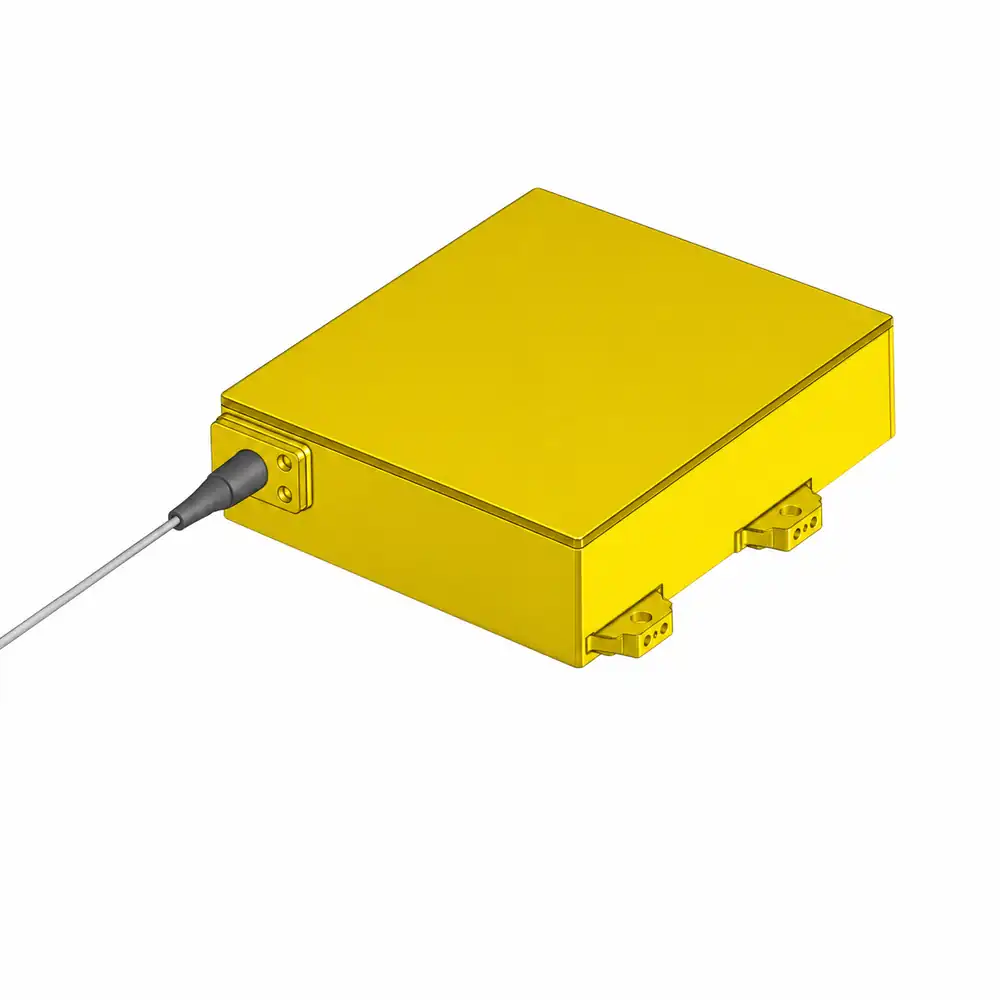
976-LXGX0140
105 µm fiber core with documented 22.4–23.8 V, 13–14 A operation.
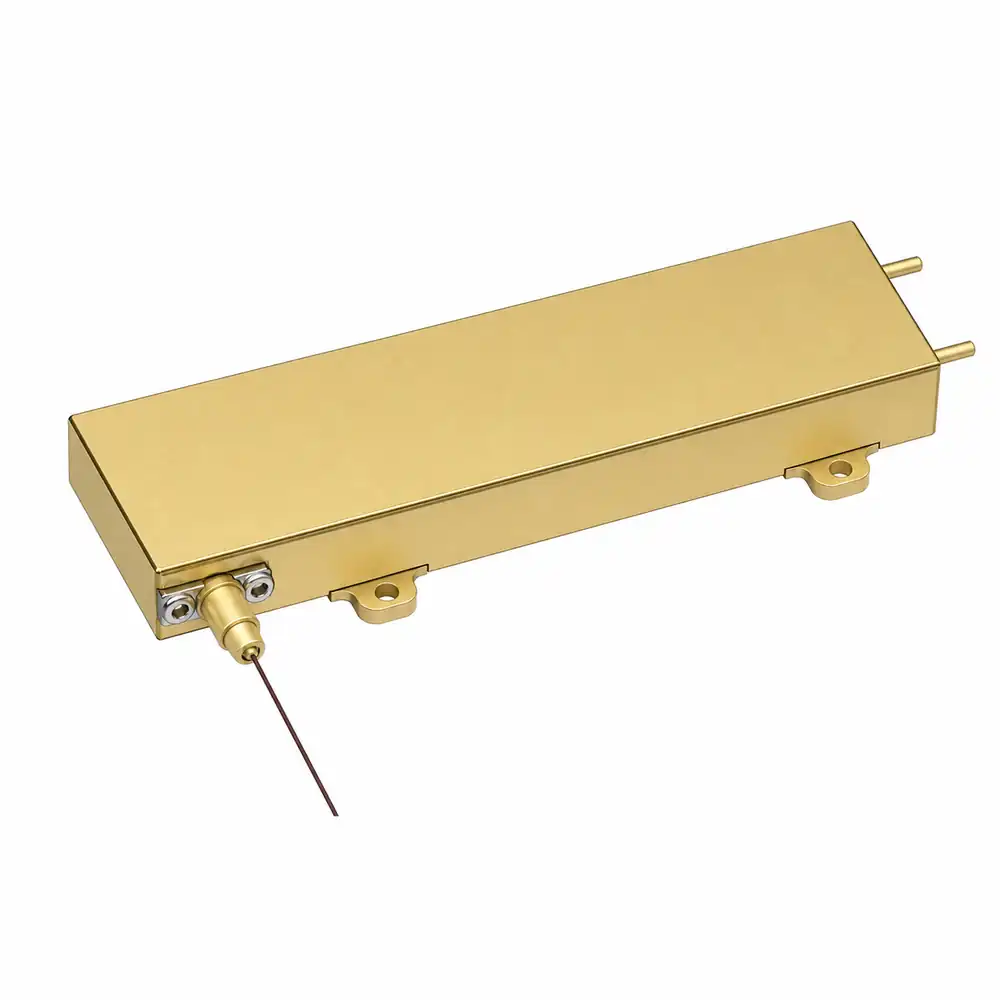
976-LXGX0260
135 µm fiber core with documented 32 V, 17 A operation.
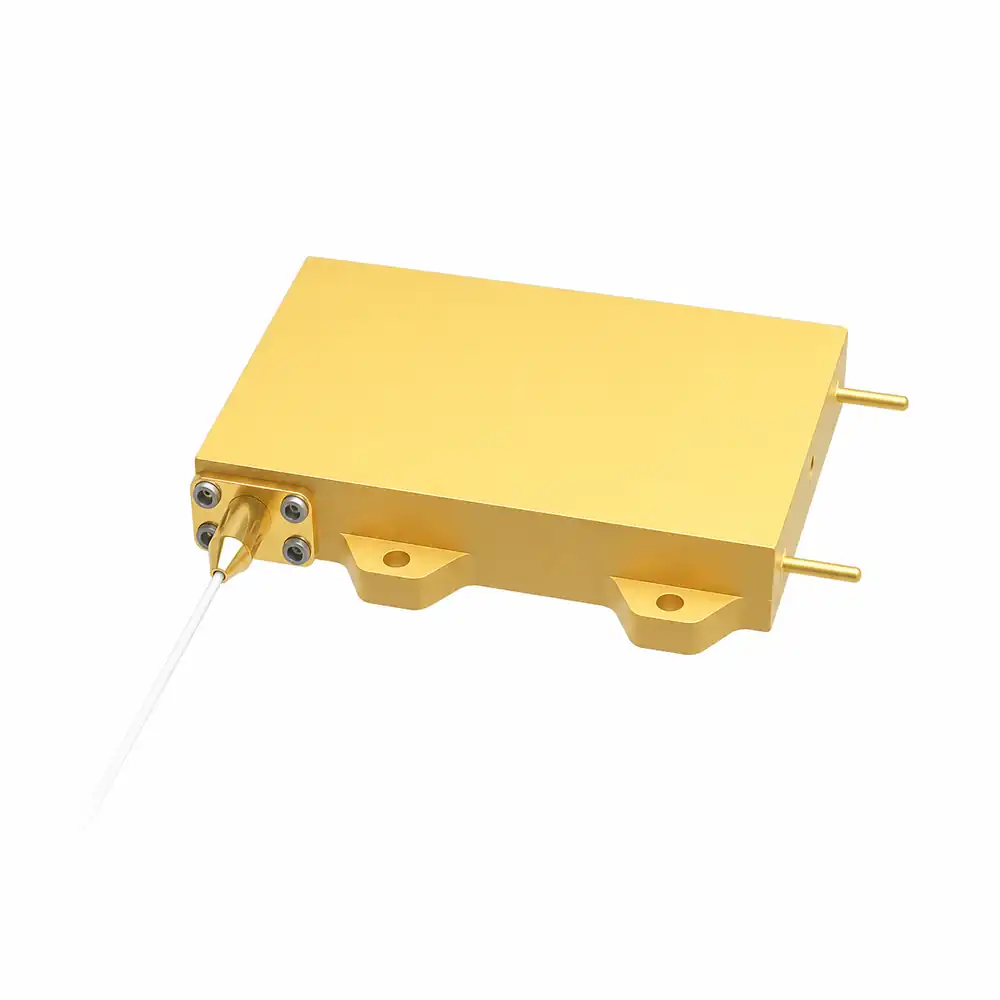
976-LXGX0280
132 µm fiber core with documented 29–31 V, 18–20 A operation.
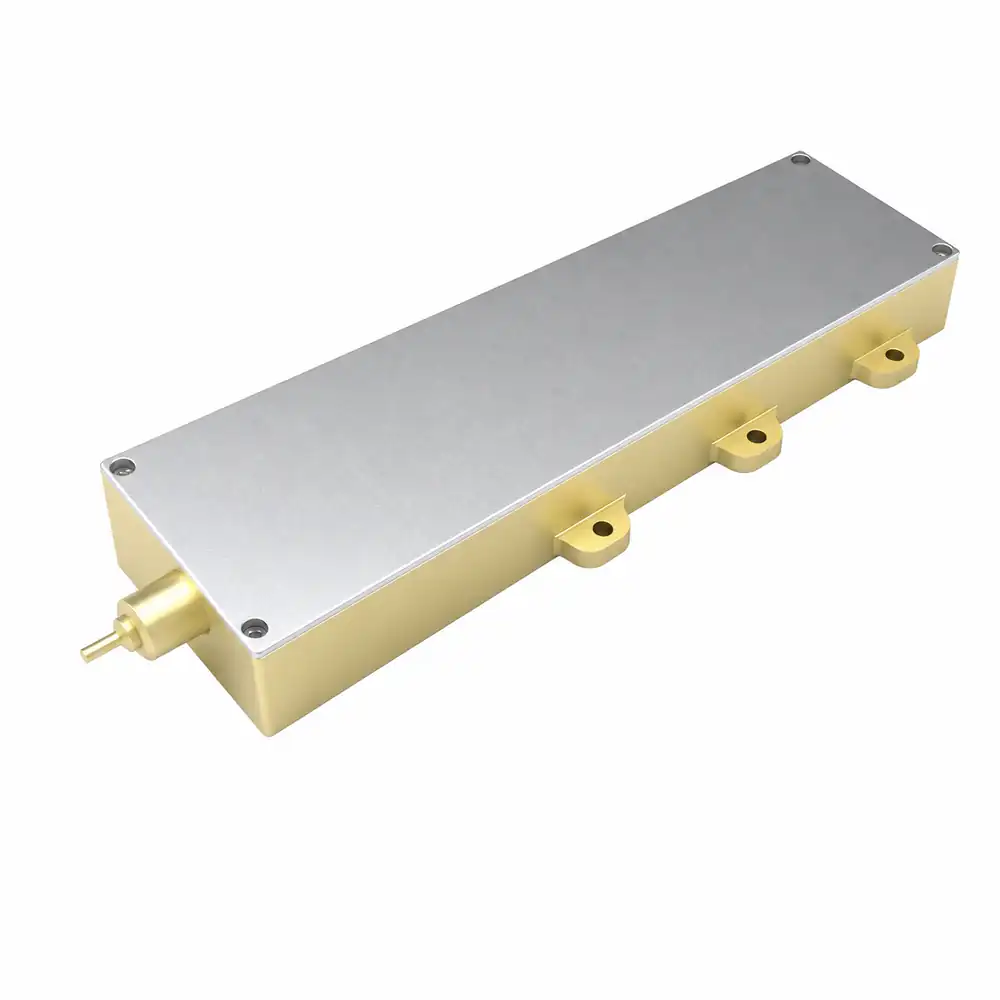
976-LXGX0750
220 µm fiber core with documented 50–55 V, 30–32 A operation.
Single comparison view
Compare wavelength, optical output, fiber-core diameter, operating voltage and operating current in one table. Values shown as ranges can represent documented configuration variants.
| Wavelength | Model | Output | Fiber core | Operating voltage | Operating current |
|---|---|---|---|---|---|
| 525nm Green Laser | 525-LXGX0003 | 3.2 W | 50 µm | — | 2 A |
| 525nm Green Laser | 525-LXGX0004 | 4 W | 50 µm | — | 2 A |
| 525nm Green Laser | 525-LXGX0005 | 5 W | 105 µm | — | 2 A |
| 525nm Green Laser | 525-LXGX0015 | 15 W | 60 / 105 µm | 66 V | 2 A |
| 525nm Green Laser | 525-LXGX0020 | 20 W | 200 µm | 66 V | 2 A |
| 525nm Green Laser | 525-LXGX0035 | 35 W | 105 µm | — | 2–2.2 A |
| 525nm Green Laser | 525-LXGX0070 | 70 W | 200 µm | 264 V | 2 A |
| 808 nm | 808-LXGX0025 | 25 W | 105 / 200 µm | 11.5–12.5 / 5.5–6 V | 6–7 / 10–11 A |
| 808 nm | 808-LXGX0050 | 50 W | 200 µm | 11–12 V | 10–11 A |
| 808 nm | 808-LXGX0150 | 150 W | 135 / 200 µm | 33–34 V | 10–11 A |
| 808 nm | 808-LXGX0400 | 400 W | 200 / 400 µm | 90–95 / 55–57 V | 10–12 / 16 A |
| 885 nm | 885-LXGX0065 | 65 W | 200 µm | 10–12 V | 13–14 A |
| 885 nm | 885-LXGX0120 | 120 W | 200 µm | 20–22 V | 13–14 A |
| 885 nm | 885-LXGX0270 | 270 W | 200 µm | 40.5–42 V | 13–14 A |
| 976 nm | 976-LXGX0120 | 120 W | 105 µm | 19.5 V | 14 A |
| 976 nm | 976-LXGX0140 | 140 W | 105 µm | 22.4–23.8 V | 13–14 A |
| 976 nm | 976-LXGX0260 | 260 W | 135 µm | 32 V | 17 A |
| 976 nm | 976-LXGX0280 | 280 W | 132 µm | 29–31 V | 18–20 A |
| 976 nm | 976-LXGX0750 | 750 W | 220 µm | 50–55 V | 30–32 A |
A dash means the voltage is not stated in the reviewed category source. Confirm all electrical values and variant pairings against the order-specific technical specification before design release.
Technical selection knowledge
Nominal wattage is not enough to define system performance. These six checks connect the laser specification to the optics, target and host instrument.
Select 525, 808, 885 or 976 nm according to the detector, pump medium, fluorescent material or inspection target—not by power alone.
Allow for fiber and downstream optical losses, operating duty and thermal margin when translating module output into usable power.
Core diameter affects brightness, coupling tolerance and the downstream spot that the optical system can form.
NA describes the angular delivery range and must be compatible with the collimator, focusing optics and working distance.
FC and SMA905 interfaces differ mechanically. Connector choice, cleanliness and end-face handling influence repeatable delivery.
The driver, mounting surface, cooling method, monitoring and interlocks must be defined for the selected operating point.
Engineered as a delivery chain
The useful output is defined by the complete path from diode emission to the fiber end face. We review the optical, thermal, electrical and mechanical interfaces together so the selected source can be integrated and supplied consistently.
Each order is reviewed around the host system, not treated as an isolated component number.
Match the wavelength, spectral width, fiber core and numerical aperture to the downstream optics.
Design cooling for the selected power class, ambient range and operating duty before enclosure release.
Size the driver, interlocks and monitoring around the order-specific current and voltage limits.
Freeze connector, fiber routing, mounting and acceptance criteria for repeatable system builds.
Civil, industrial and scientific use
Application fit depends on wavelength-specific interaction, delivered power and the architecture of the complete instrument. Representative-sample testing is recommended before design release.
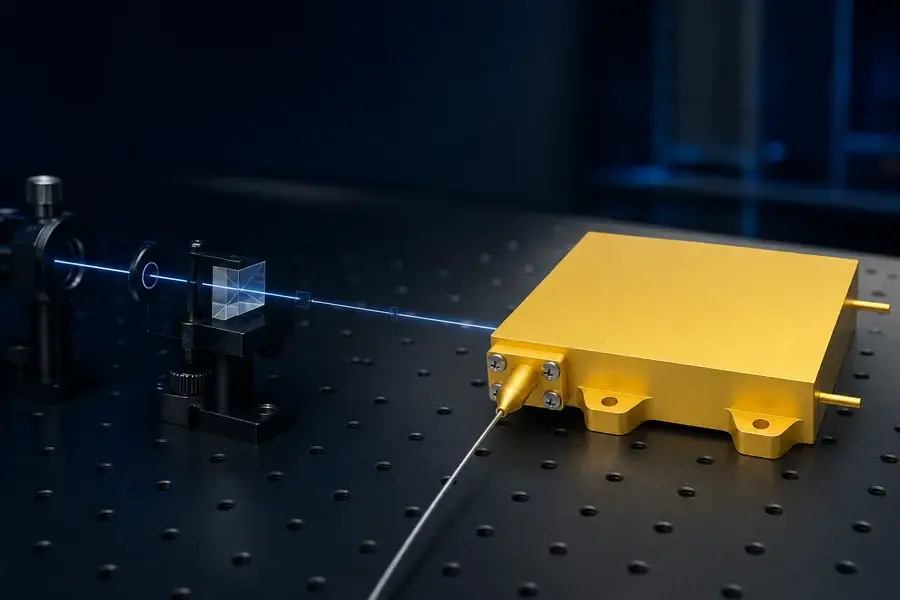
808, 885 and 976 nm fiber-delivered pump sources for industrial laser systems.

Visible or near-infrared illumination configured around detector response, contrast and optical delivery.
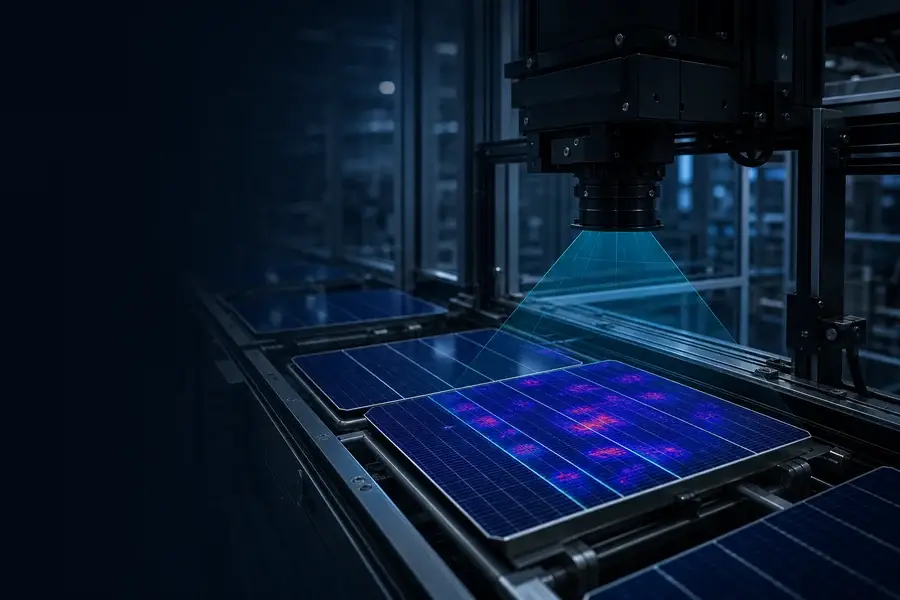
Fiber-coupled sources for controlled illumination and defect-detection instruments.
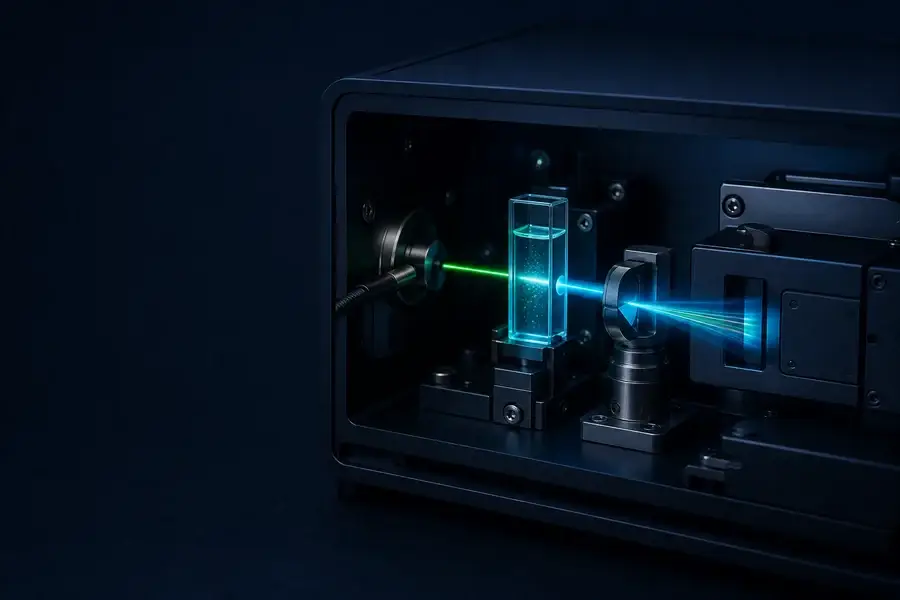
525nm Green Laser platforms and other wavelength families for analytical and scientific instruments.
Model-selection workflow
A good selection process starts with the optical interaction and ends with verified delivery at the host interface. Nominal output power is only one step.
State the pump medium, detector response, sample interaction or contrast requirement.
Specify the required optical output, duty, stability and acceptable margin at the fiber.
Confirm core diameter, numerical aperture, fiber length, bend routing and connector format.
Review cooling, driver, monitoring, mounting and representative operating conditions.
Manufacturing and delivery control
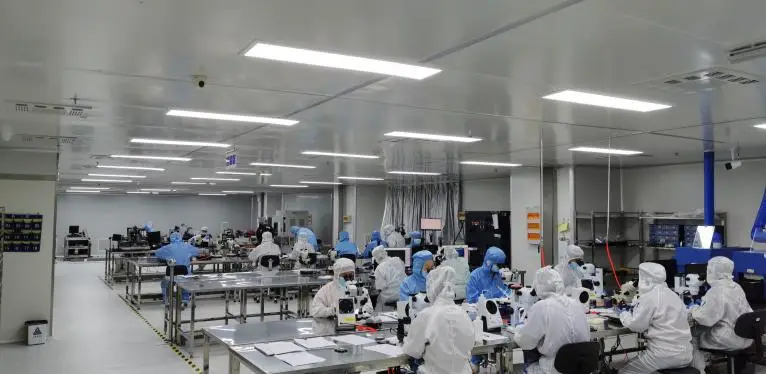
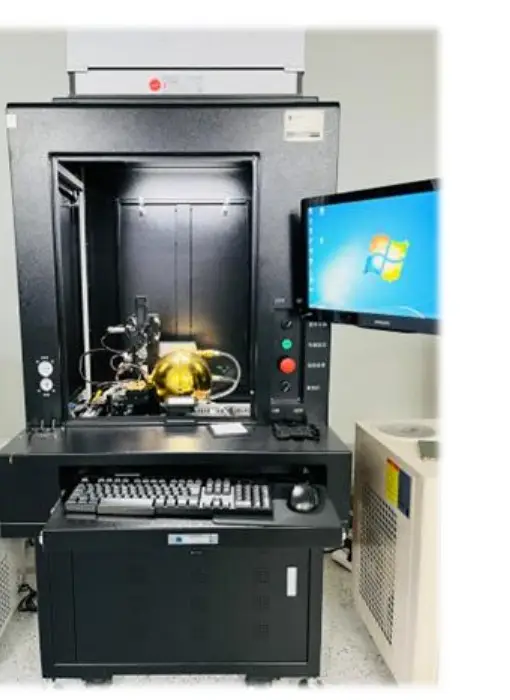
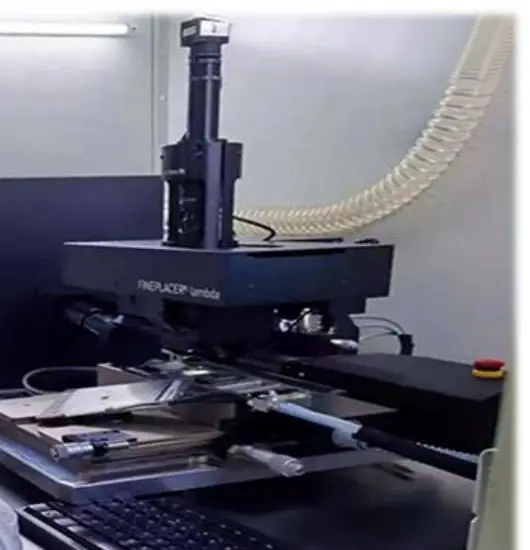
Repeatable supply depends on controlled assembly and a frozen order configuration. Lumexis links source verification, precision assembly, electro-optical testing and final interface checks before shipment.
Configuration-level release
Pre-sales FAQ
These inputs help us recommend the correct wavelength family and prepare an order-specific engineering package.
A 525nm Green Laser produces visible green output centered near 525 nm. In the Lumexis family, the source is delivered through a fiber interface and offered in documented power classes from 3.2 to 70 W. It is considered separately from 808, 885 and 976 nm near-infrared pump lasers because the wavelength, applications and downstream optics differ.
Choose the wavelength according to the material, sample, detector or pump medium. 525 nm may suit visible alignment, green-sensitive machine vision, fluorescence or spectral instruments. The near-infrared families are commonly evaluated for laser pumping and other industrial optical systems. Confirm suitability with representative samples and the complete optical path.
Start with the optical power required at the working plane, then account for fiber-delivery loss, downstream optics, duty, stability, thermal margin and the response of the target or sample. Avoid choosing the highest wattage without confirming the host system can use and manage it.
Options depend on the model and order configuration. The documented family includes multiple fiber-core sizes, numerical-aperture values, fiber lengths and FC or SMA-type interfaces. Confirm the exact interface and drawing in the quotation package rather than assuming one configuration applies to the complete series.
Share ambient temperature, duty, mounting area, available cooling method, airflow or liquid-cooling conditions and any limit on baseplate temperature. Higher power does not automatically mean the same thermal architecture across wavelengths or package variants.
Yes. We can review wavelength and power class, fiber and connector selection, cable routing, mounting, electrical interface, monitoring and validation planning. Any requested change is assessed against optical performance, thermal behaviour and repeatable production.
The family is intended for civilian, industrial and scientific systems including industrial laser pumping, machine vision and optical inspection, photovoltaic inspection, fluorescence excitation, spectral analysis and OEM photonics instruments.
Provide the required wavelength, delivered power, spectrum if critical, fiber core and NA, connector, fiber length, operating duty, cooling method, electrical constraints, package limit, target or sample information and expected annual quantity. These inputs allow a configuration-level recommendation.
Share your wavelength, power, fiber-core, voltage and current requirements. We will recommend a model and prepare the relevant datasheet and configuration package.