
905nm vs 1535nm Laser Rangefinder: OEM Choice Guide
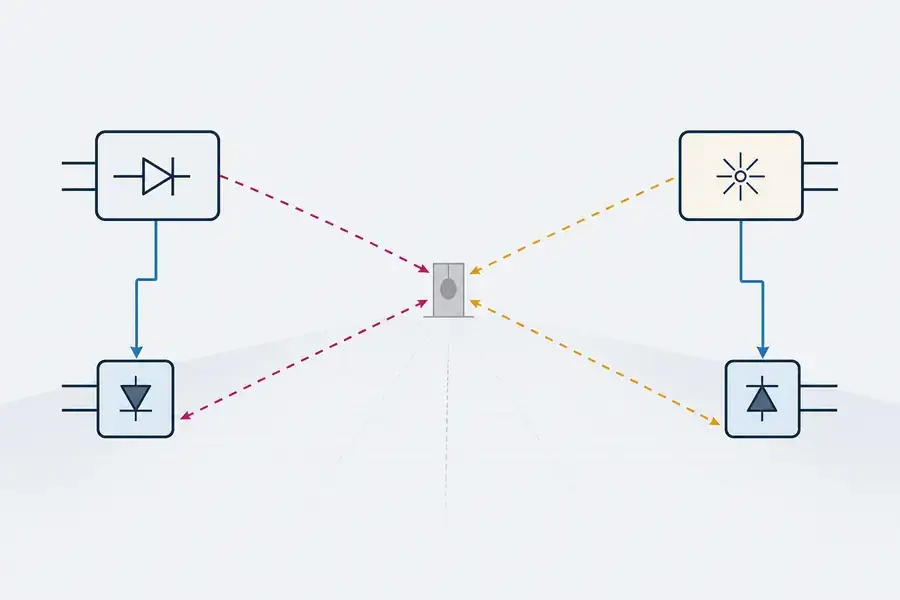
Compare a 905nm vs 1535nm laser rangefinder by source, receiver, safety review, cost, and integration conditions before choosing an OEM path.
Why Is 1550nm Eye Safe? The 1535nm Physics Explained
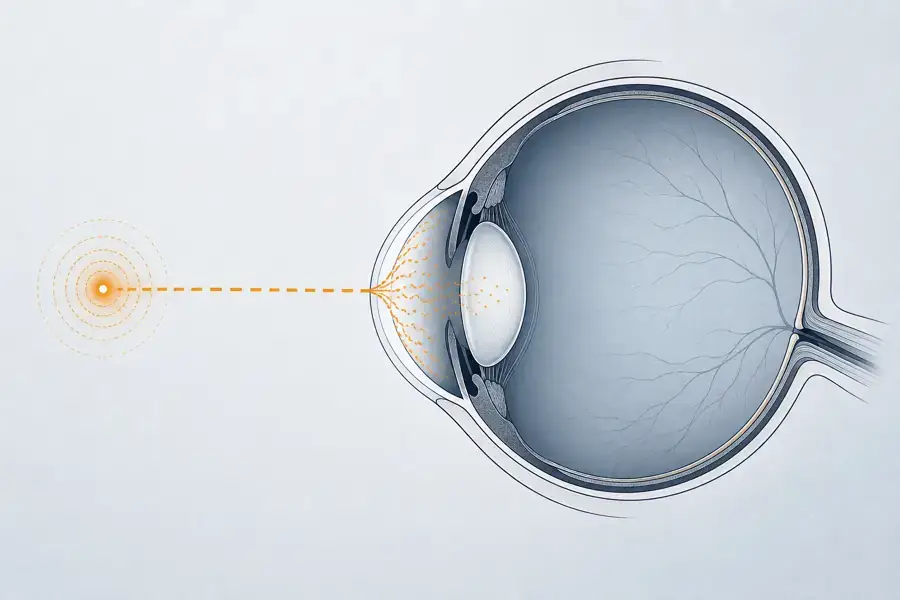
Why is 1550nm eye safe in laser discussions? Understand retinal absorption, system conditions, and why wavelength never replaces product review.
Best Wavelength for Laser Rangefinder: OEM Decision Guide
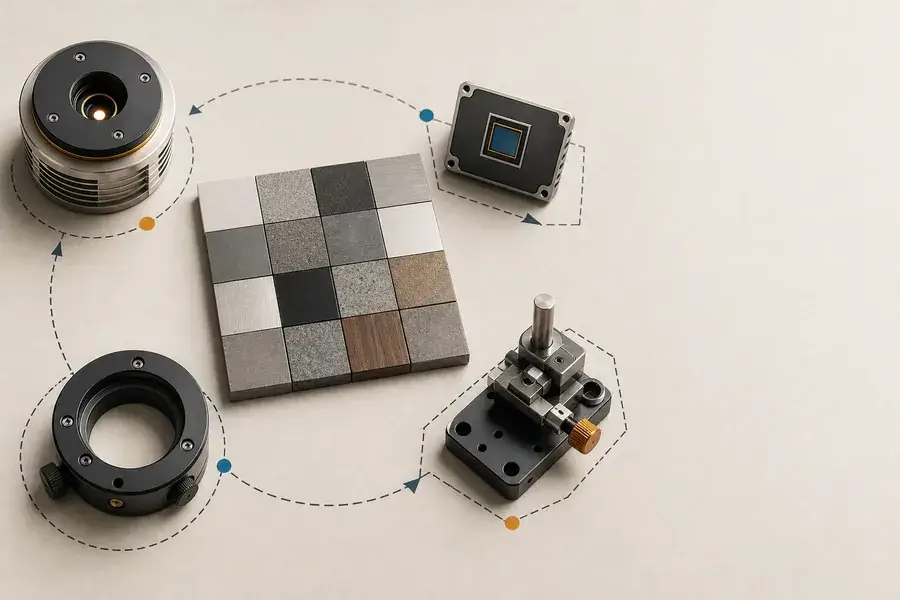
Find the best wavelength for laser rangefinder design by comparing the target, receiver, optical safety review, environment, and total integration cost.
Laser Rangefinder Module Datasheet: How to Read Every Line
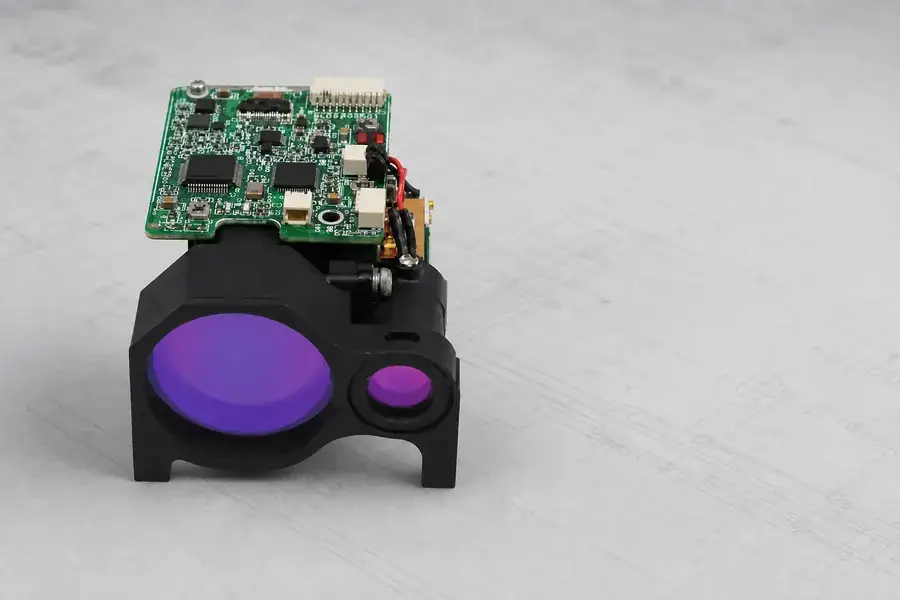
Learn how to read a laser rangefinder module datasheet, compare test conditions, and identify integration risks before selecting an OEM module.
What Is Time-of-Flight (ToF) Distance Measurement?
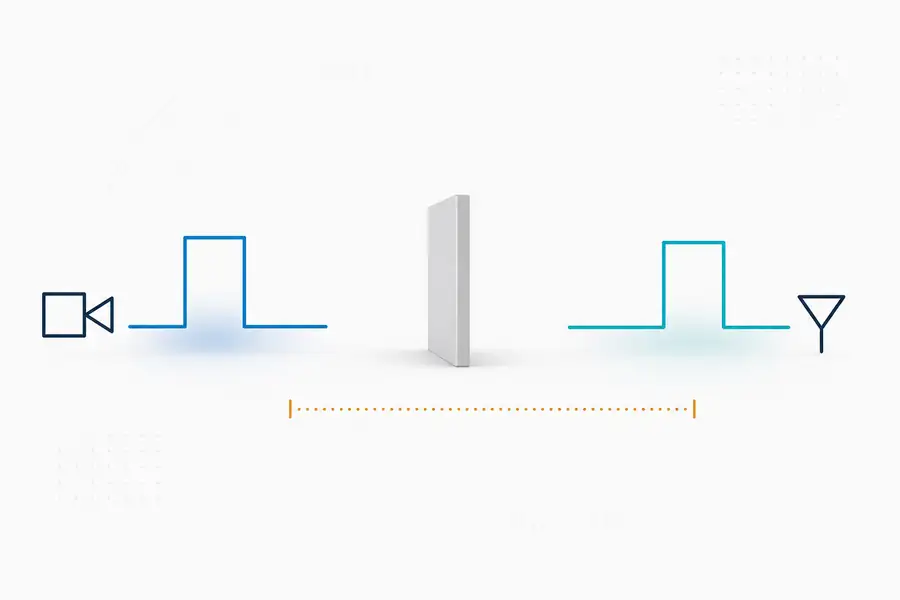
Time of flight distance measurement uses light travel time to calculate range. Learn the methods, error sources, and OEM checks that matter.
How Does a Laser Rangefinder Work? OEM Integration Guide
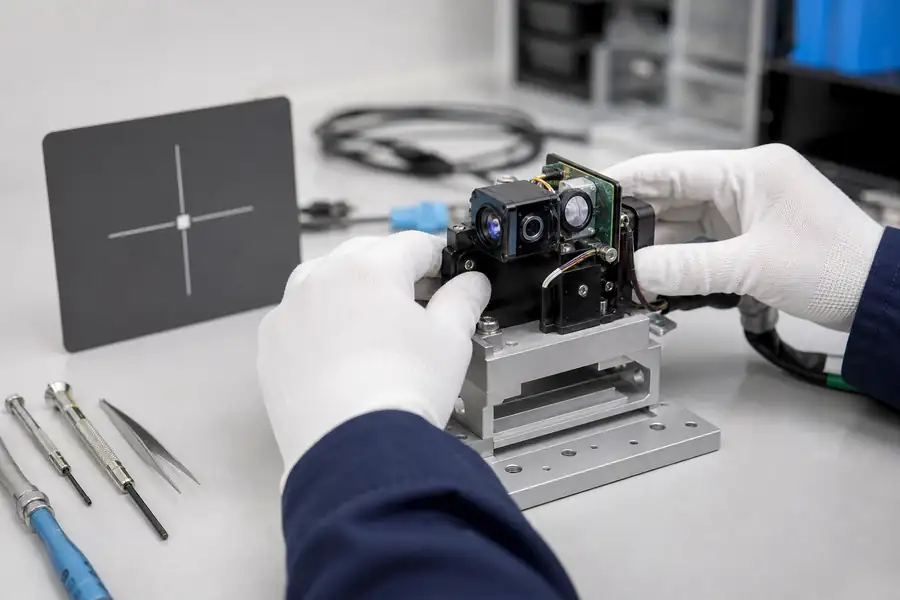
How does a laser rangefinder work? This OEM guide explains pulse timing, reflected returns, integration checks, and test conditions that affect results.
Types of Laser Rangefinder Modules: OEM Selection Guide
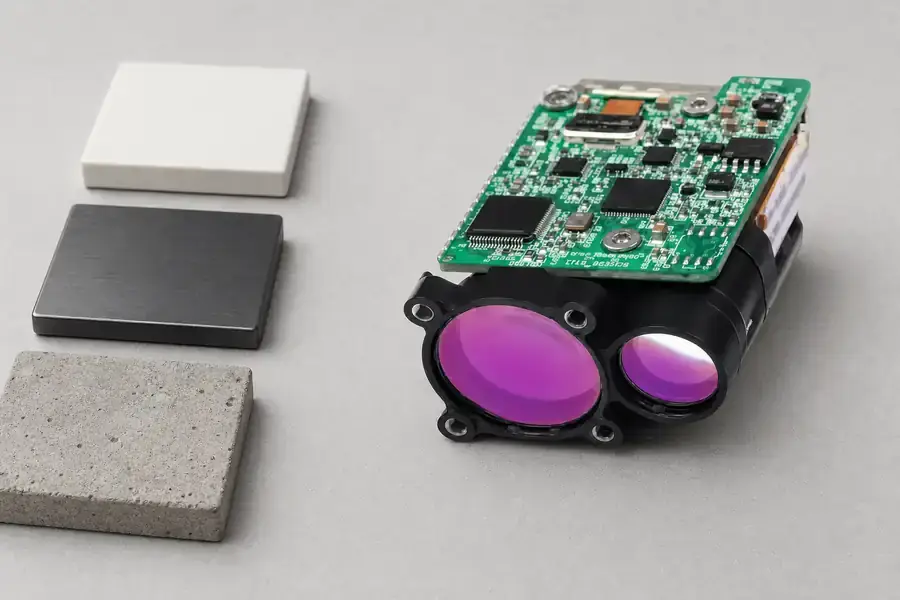
Types of laser rangefinder modules compared by measurement principle, integration needs, and test evidence for clearer OEM selection.
What Is a Laser Rangefinder Module and How Does It Work?
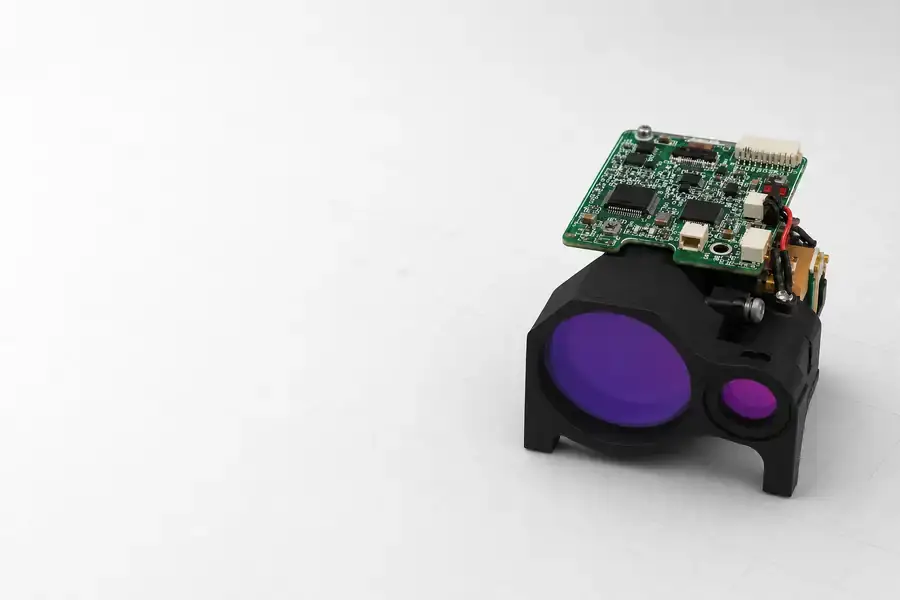
What is a laser rangefinder module? Learn its core parts, time-of-flight workflow, and OEM integration checks for reliable distance measurement.
Laser Rangefinder Module Datasheet: How to Read Every Line
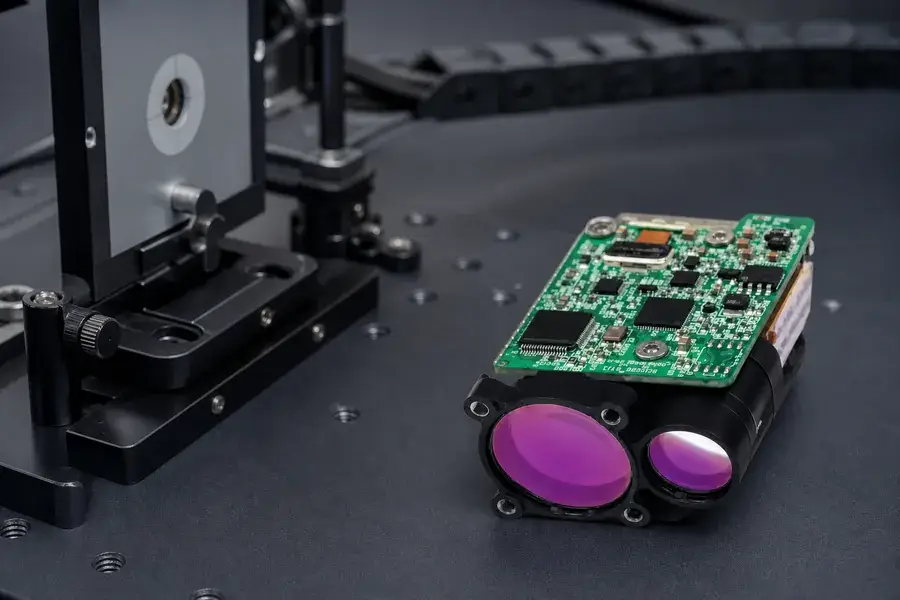
Learn how to read a laser rangefinder module datasheet, compare test conditions, and identify integration risks before selecting an OEM module.
Laser Rangefinder Module Price: What Drives OEM Cost?
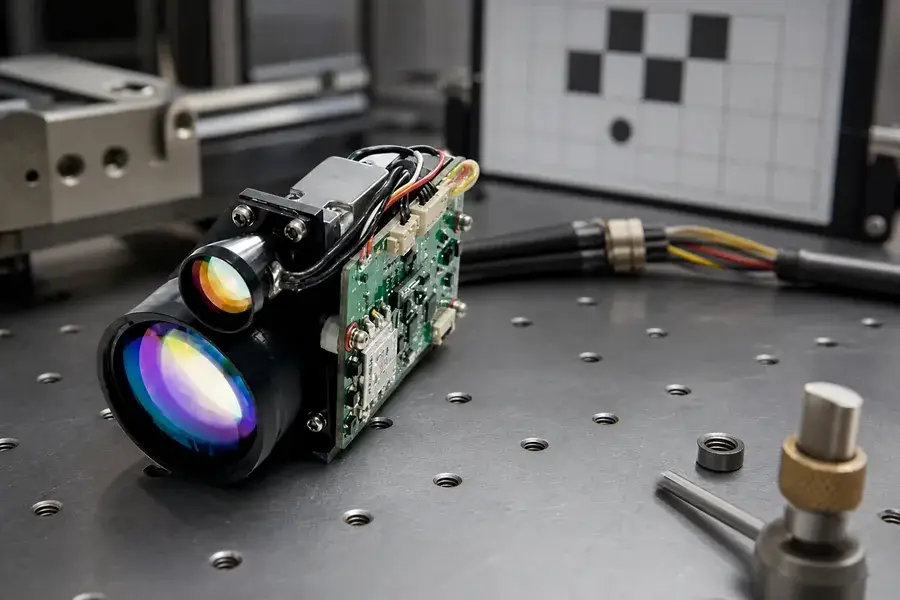
Laser rangefinder module price depends on optical architecture, test depth, volume, and change control. Use this OEM RFQ framework to compare quotes fairly.