
Laser Rangefinder Accuracy Explained for Systems
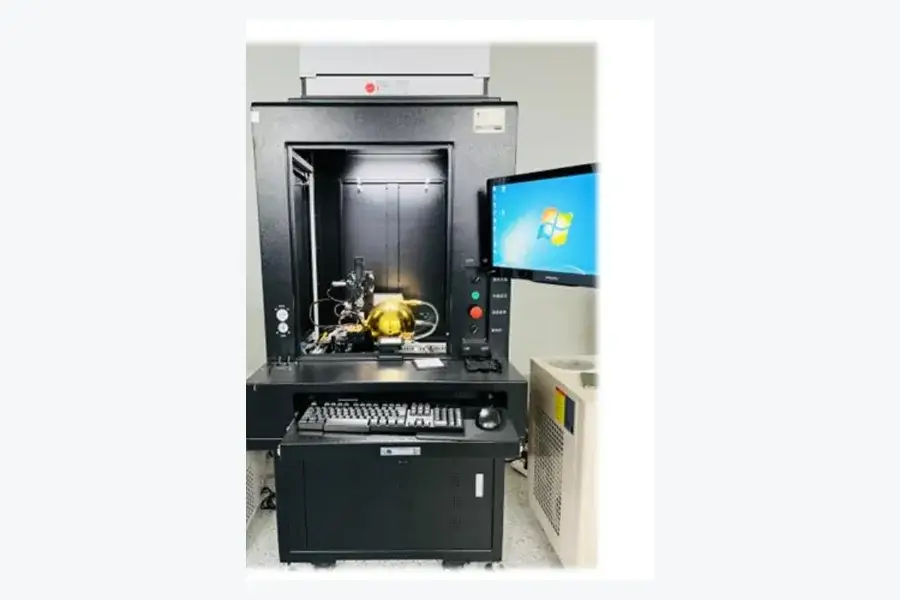
Understand laser rangefinder accuracy, what a ±1 m specification means, and how timing, target, environment, calibration, and test methods shape results.
Optical Crosstalk Rangefinder Integration for OEMs
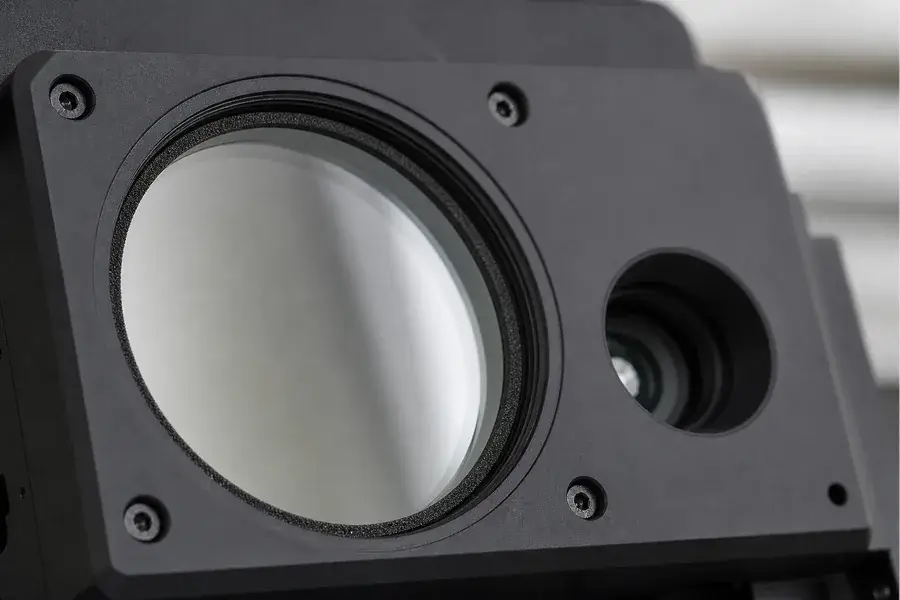
Identify optical crosstalk rangefinder causes and apply enclosure, window, alignment, calibration, and validation practices for dependable distance measurement systems in OEM equipment.
Laser Rangefinder Module Interface Comparison Guide
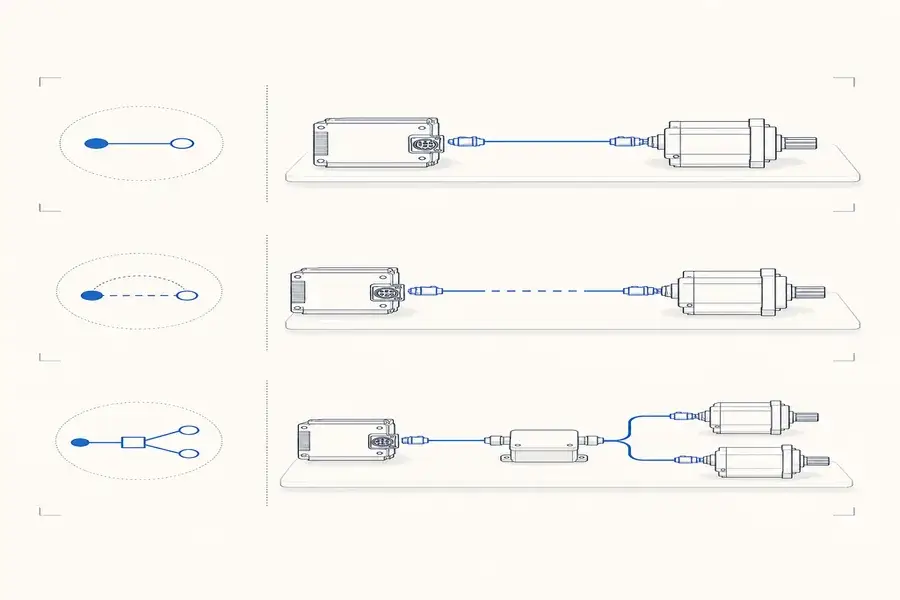
Compare UART, TTL, RS422, and CAN options for a laser rangefinder module interface, and choose based on distance, topology, integration, and validation.
RS422 Laser Rangefinder Modules for Long Cable Runs
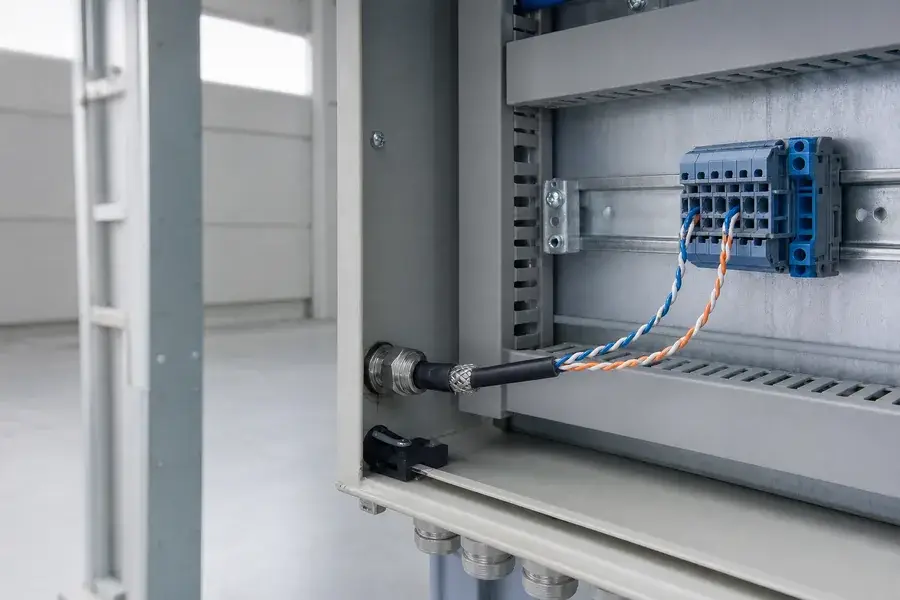
Learn when an RS422 laser rangefinder module suits long cable runs, with practical guidance on differential wiring, termination, grounding, and validation.
Laser Rangefinder Module UART Integration Guide
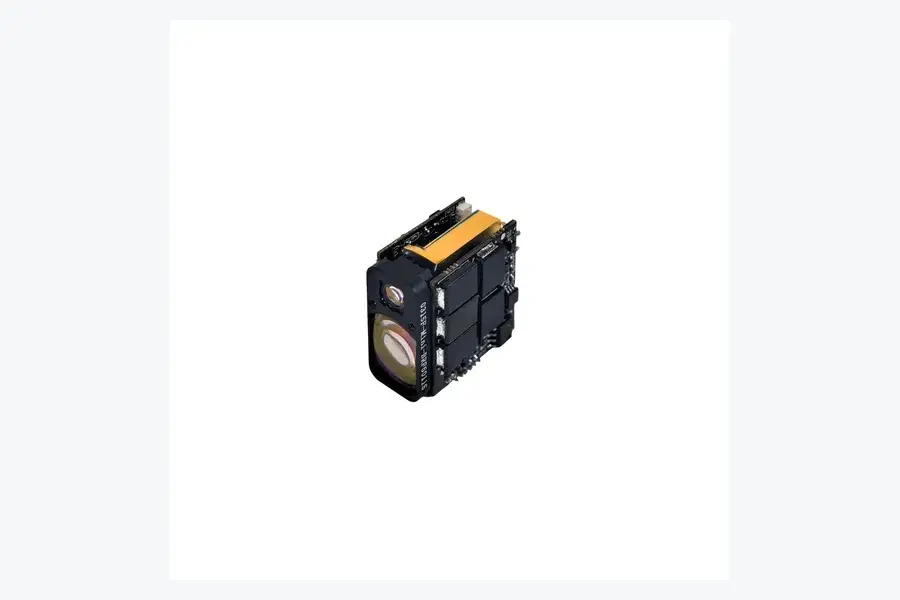
Laser rangefinder module UART integration: validate electrical boundaries, framing, timing, and acceptance tests for reliable OEM systems.
Why Is 1550nm Eye Safe? The 1535nm Physics Explained
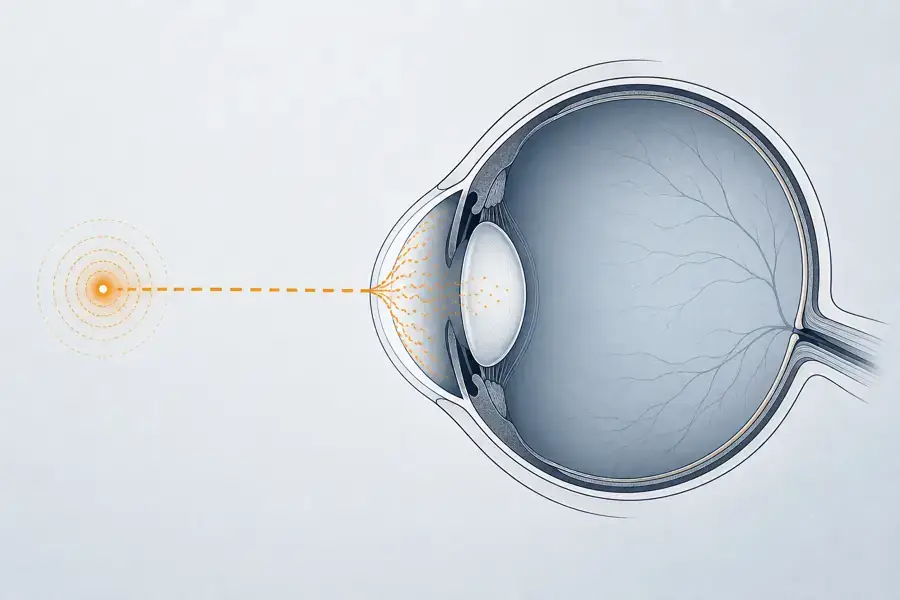
Why is 1550nm eye safe in laser discussions? Understand retinal absorption, system conditions, and why wavelength never replaces product review.
Phase Shift vs Pulsed Laser Rangefinder for OEM Selection
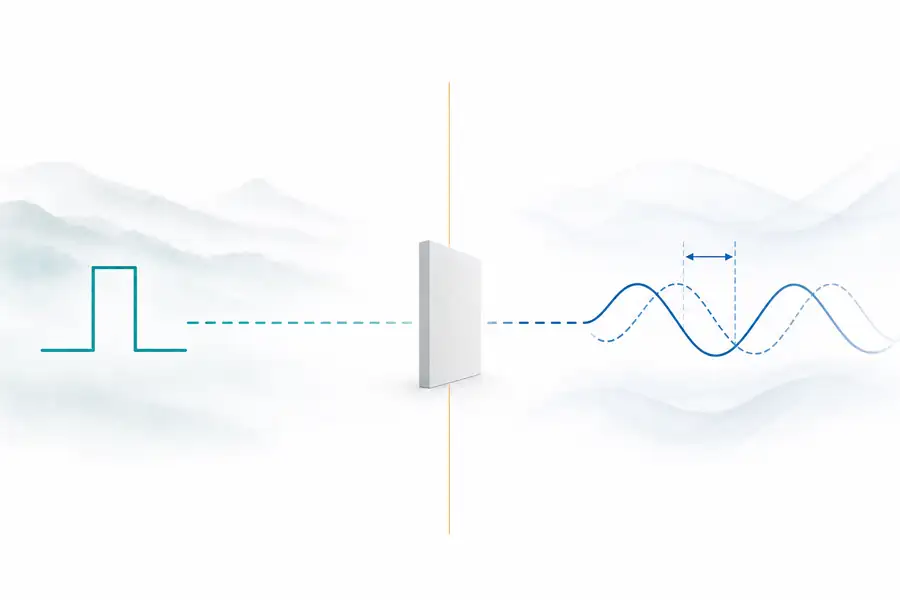
Phase shift vs pulsed laser rangefinder methods compared by delay measurement, ambiguity, integration, and validation needs for OEM teams.
Eye Safe Laser Rangefinder: What OEM Teams Must Verify
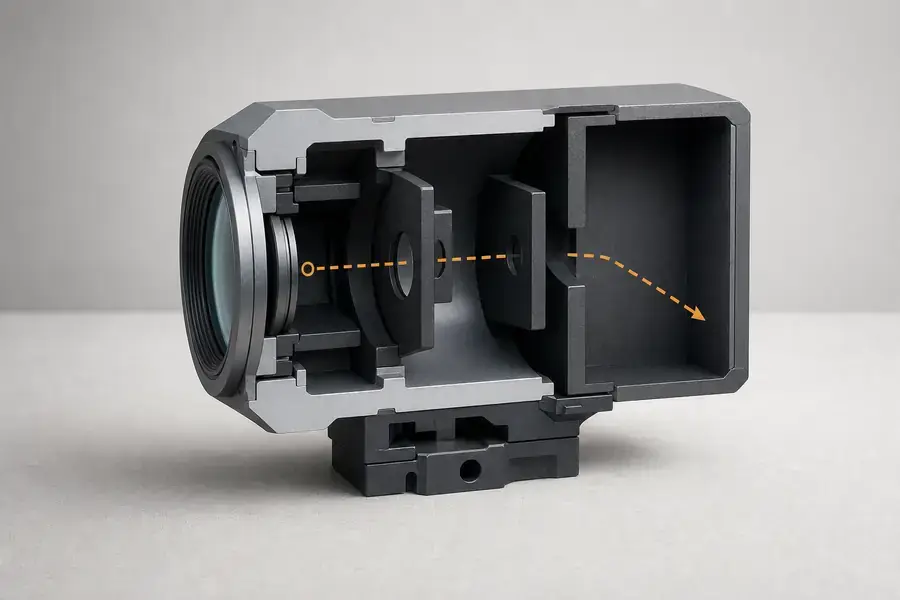
An eye safe laser rangefinder must be evaluated as a complete product. Learn which emission, optical, and use conditions an OEM should verify.
905nm vs 1535nm Laser Rangefinder: OEM Choice Guide
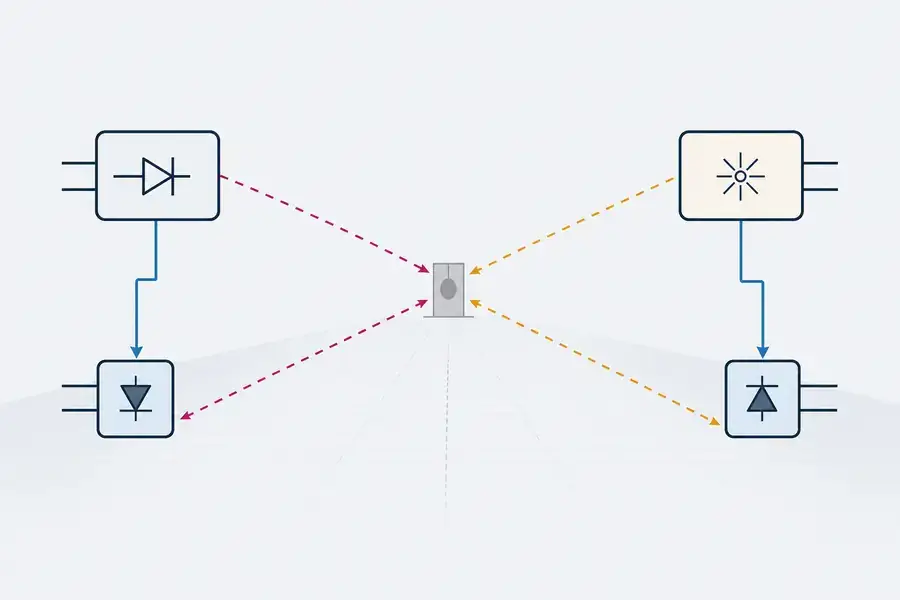
Compare a 905nm vs 1535nm laser rangefinder by source, receiver, safety review, cost, and integration conditions before choosing an OEM path.
Best Wavelength for Laser Rangefinder: OEM Decision Guide
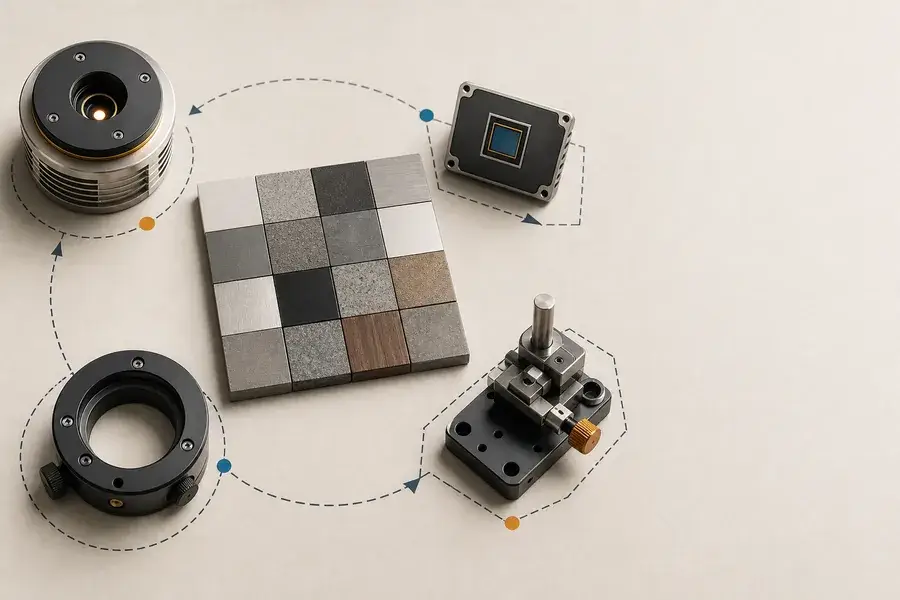
Find the best wavelength for laser rangefinder design by comparing the target, receiver, optical safety review, environment, and total integration cost.