

The phrase “eye safe” can cause a costly misunderstanding in a ranging program. It sounds like a property of a source label, while the real question is whether the complete instrument has been assessed under its intended operating conditions. That distinction matters when a design adds optics, an enclosure, a new measurement mode, or service access.
At the same time, the wavelength discussion is not marketing shorthand. The way light in the 1.5 µm region interacts with the eye is a useful starting point for an engineering review.
Why is 1550nm eye safe in common laser terminology? Light beyond roughly 1.4 µm is strongly absorbed by the cornea and lens before it reaches the retina, so the retinal hazard differs from shorter near-infrared wavelengths. But a complete product still needs its own accessible-emission assessment because pulse energy, duration, repetition rate, beam geometry, optics, and exposure conditions can change the result.
When a buyer asks why is 1550nm eye safe, the technically useful answer must include both the wavelength-dependent absorption path and the configuration-specific product review.
Why is 1550nm eye safe in the retinal-hazard sense?
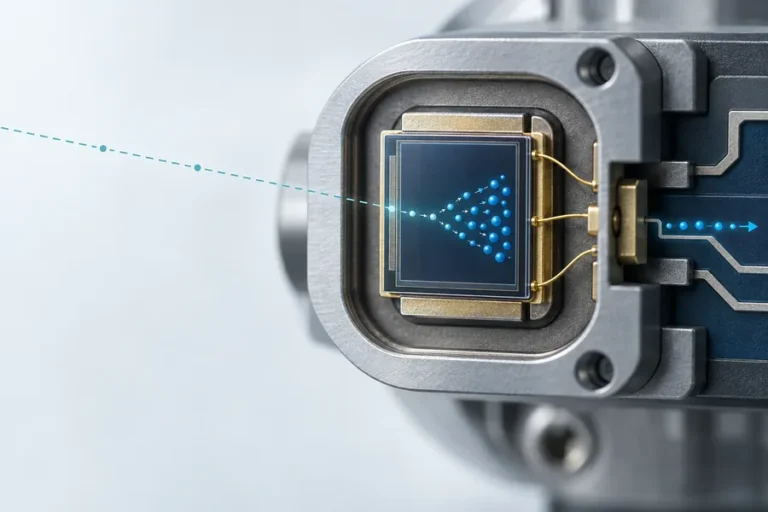
The eye’s optical path is central to the explanation. Visible and some near-infrared wavelengths can pass through the cornea and lens and be focused onto the retina. At longer infrared wavelengths, water absorption in the front of the eye becomes much stronger, so much less energy reaches the retina. RP Photonics describes wavelengths beyond approximately 1.4 µm as commonly called eye-safe for this reason, while also stressing that corneal injury can still occur at sufficient power or energy.
That is why “retina-protected” and “harmless” are not interchangeable. The hazard mechanism changes; it does not disappear. The classification method accounts for wavelength and exposure conditions, while the engineering team must define the actual accessible optical output.
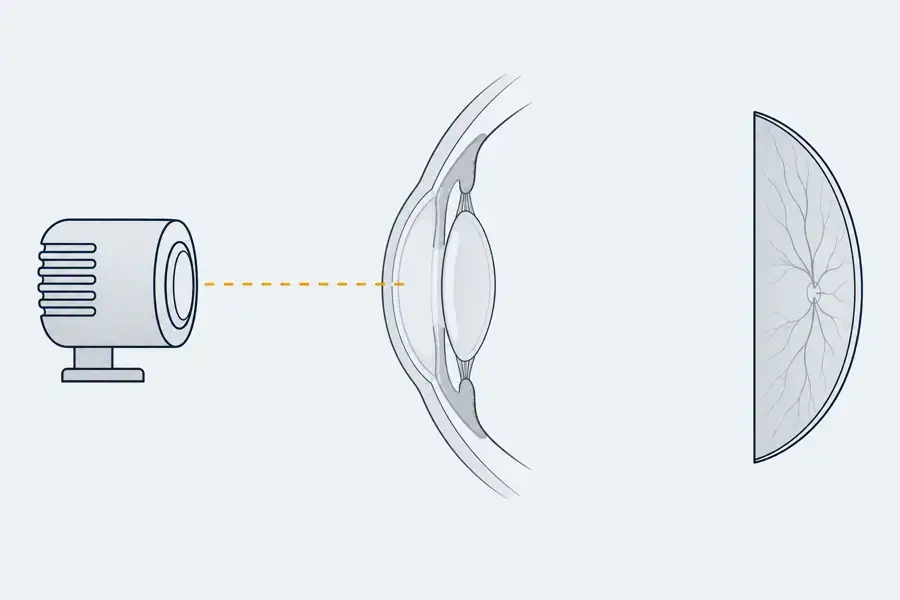
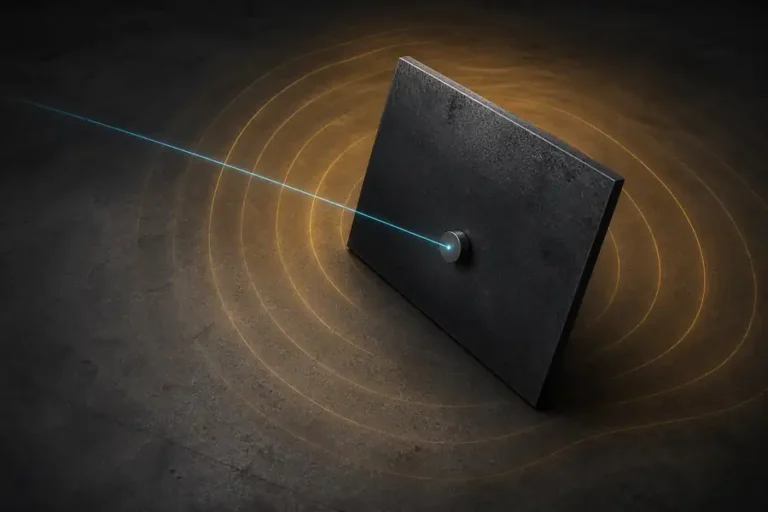
Caption: Conceptual optical-path illustration based on wavelength-dependent absorption; it is not a safety classification or exposure model.
Where 1535 nm fits into the same conversation
1535 nm and 1550 nm both sit in the 1.5 µm region often discussed for this optical-hazard context. A 1535 nm erbium-glass source can therefore be considered within the same engineering conversation, but it should not inherit a classification from a nearby wavelength or a different instrument. The source architecture, pulse conditions, beam quality, divergence, and accessible aperture remain relevant.
This matters for laser rangefinder modules because system range is not a transmitter-only property. Target reflectance, receiver aperture and sensitivity, atmosphere, alignment, timing, and signal processing all affect whether a return can be measured. The safety assessment has its own input set. Keep the two evidence packages separate when you read a rangefinder datasheet.
The conditions a wavelength label cannot answer
No single wavelength answers these questions:
- What pulse energy, pulse duration, and repetition rate are present in each operating mode?
- What beam diameter, divergence, and optical magnification are accessible outside the instrument?
- Which aperture, window, alignment state, or service configuration was evaluated?
- What user distance, exposure assumption, and foreseeable use condition are defined?
- Which product revision and optical configuration does the controlled evidence cover?
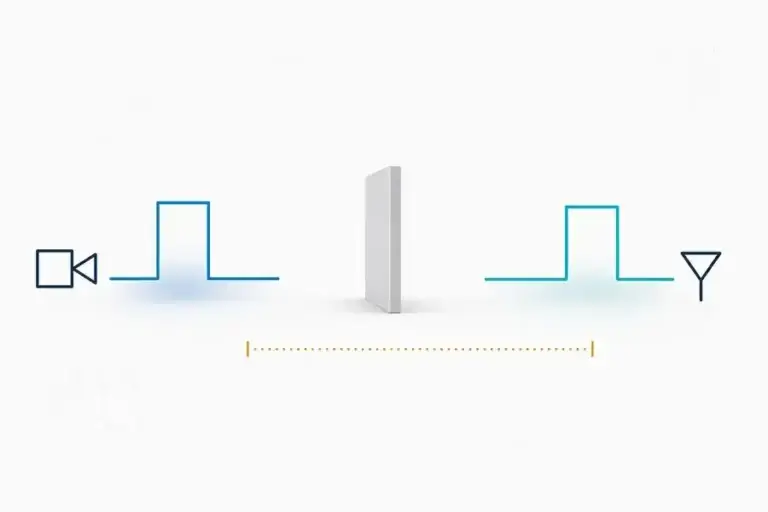
These are not paperwork details. A new window coating, a revised lens spacing, or a control-mode change can alter the conditions that a safety review needs to consider. FDA guidance on IEC 60825-1 conformance is useful context for why classification attaches to a laser product and its specified requirements, rather than to a wavelength label alone.
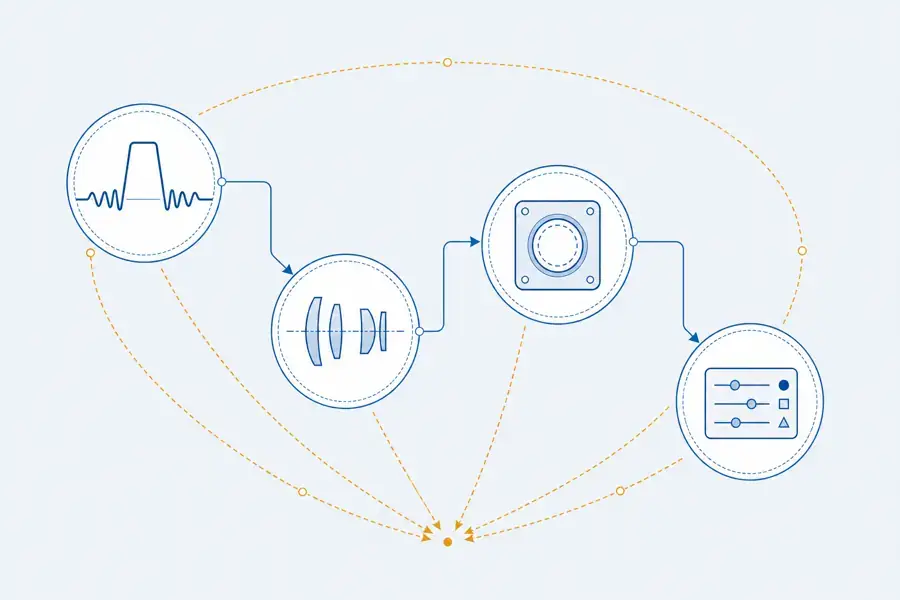
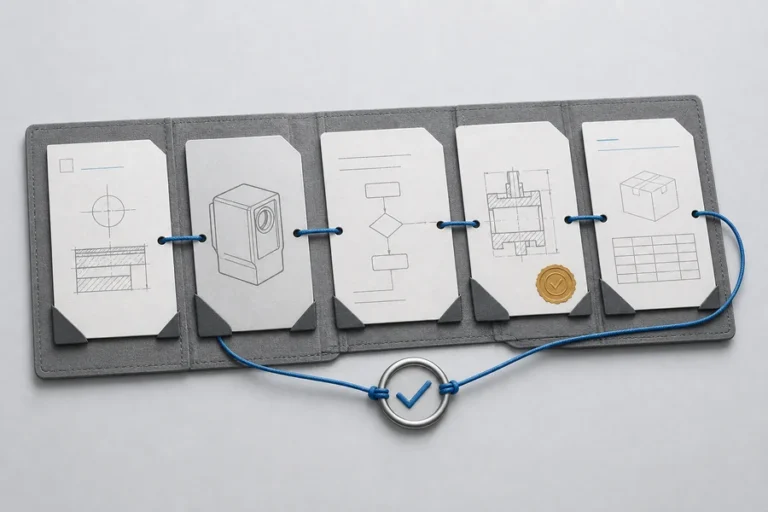
Caption: Conceptual review flow only. It does not represent a certification, product model, or pass result.
How to use the term responsibly in an OEM specification
Start with a controlled report or assessment record for the configuration you intend to ship. Confirm the exact model, source, optics, apertures, windows, operating modes, and enclosure state. Then identify any host-instrument decision that changes the accessible optical path or controls. If it changes, ask whether the evidence is still applicable.
The language in customer documents should match that evidence. It is appropriate to explain the general physics of the 1.5 µm region. It is not appropriate to state that a particular module or instrument has a safety classification without product-specific support. Our earlier guide, What Is an Eye-Safe Laser Rangefinder?, explains the product-boundary review in more detail.
For a supplier evaluation, request the measurement conditions as carefully as you request performance data. You need to know the optical interfaces, environmental condition, change-control process, and test method. That is particularly important when the design moves from an engineering sample to repeatable production.
The design and supply implications of the 1.5 µm region
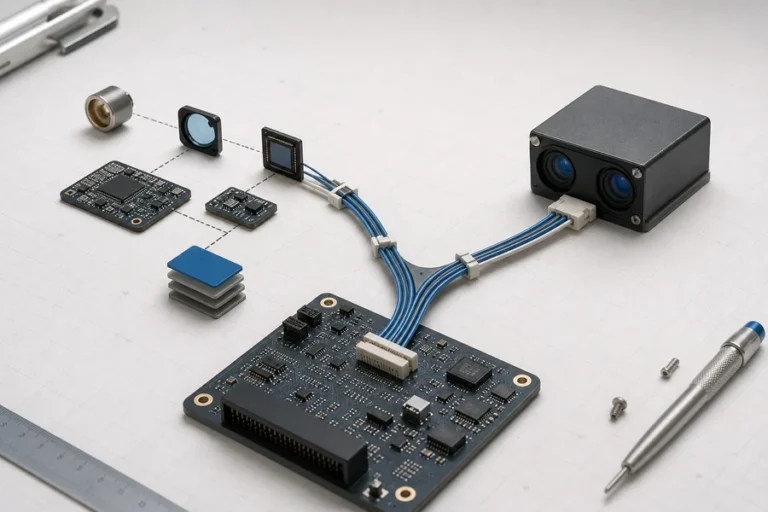
The wavelength decision also affects the rest of the system. RP Photonics notes that silicon detectors do not generally serve the 1.5 µm region, so designs often consider InGaAs-class receiver technologies. That choice can change receiver noise, biasing, optical filtering, availability, and cost. It is a reason to compare a full ranging architecture rather than only a laser source.
At Lumexis, we approach this through the interfaces that determine a usable module: optical and optomechanical design, electronics and firmware, thermal management, and test method development. Our manufacturing flow includes inspection, chip test, die bonding, fiber alignment, sealing, burn-in, and final performance testing. These are reliability practices, not a substitute for a product-specific safety assessment. See our technology approach for the engineering context.
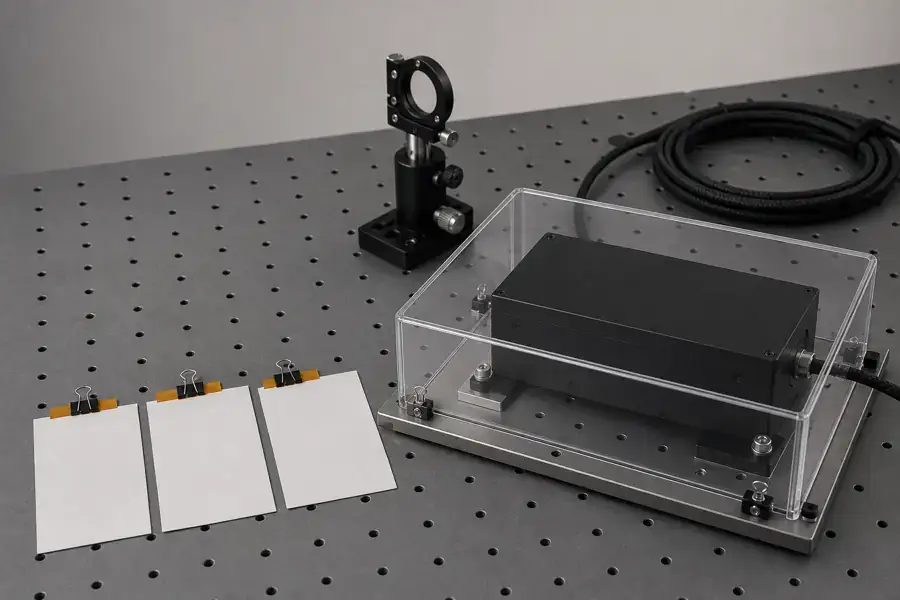
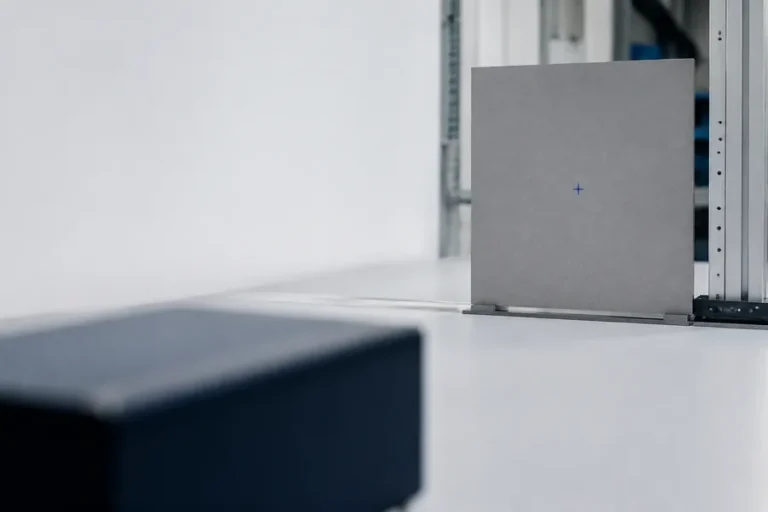
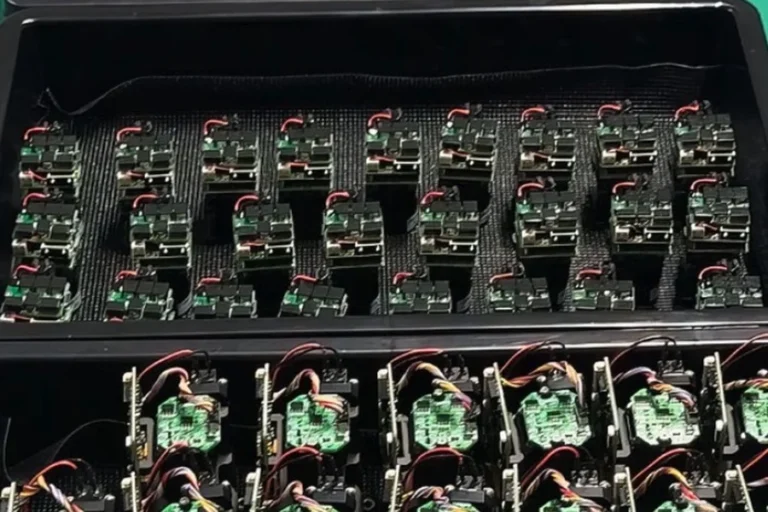
Caption: Conceptual review workspace. It is not a Lumexis facility, product, test setup, or customer deployment.
FAQ
Is every 1550 nm laser safe to view?
No. The term describes a comparatively lower retinal hazard in a particular wavelength region, not an unconditional permission to view any source. Optical power or pulse energy, exposure time, beam geometry, divergence, and the accessible configuration all affect the hazard and the classification of a finished product.
Is 1535 nm the same as 1550 nm for a product classification?
They are close wavelengths in the same broad 1.5 µm discussion, but classification is not transferred by proximity. The actual source, pulse conditions, optics, aperture, enclosure, and intended use must be assessed for the exact product configuration.
Why can a 1.5 µm receiver cost more?
The detector path often moves away from silicon to an InGaAs-class technology. That can change detector availability, receiver noise, biasing, packaging, and optical filtering. Evaluate the receiver and transmitter together with the full measurement requirement.
Does a host window affect the review?
It can. A window, lens, magnifier, or enclosure revision can alter the accessible optical path and the product conditions being evaluated. Treat those changes as a reason to check the controlled evidence, especially if the host instrument has service or alignment access.
What should an OEM send to an engineering review?
Provide the intended instrument layout, optical interfaces, apertures, operating modes, range requirement, target conditions, environment, and planned manufacturing revision. The review should identify both performance evidence and the separate product-classification evidence needed for that configuration.
For a rangefinder integration discussion based on your actual optics and use case, contact our engineers.