


An OEM can inherit a serious integration risk when a rangefinder is described with a reassuring safety label but the supporting conditions are never reviewed. Wavelength alone does not answer the question. The finished instrument’s optics, pulse pattern, accessible aperture, housing, and intended use all affect the evaluation.
That gap creates expensive rework. A module that is suitable inside one enclosed instrument can require a different assessment after the enclosure, output optics, or operating mode changes.
An eye safe laser rangefinder is a complete ranging product whose accessible laser emission has been assessed against the applicable classification rules for its defined configuration and use. It is not a safety conclusion that can be drawn from wavelength alone. OEM teams should verify the classification evidence, the tested configuration, the accessible apertures, and the operating conditions before making a customer-facing claim.
When you specify an eye safe laser rangefinder for an integrated instrument, keep the evidence request tied to that finished product boundary from the first design review.
Eye Safe Laser Rangefinder: start with the product boundary
For a laser rangefinder, the emission source is only one part of the safety question. The relevant product boundary includes the transmitter, beam-shaping optics, mechanical enclosure, windows, controls, and any service or alignment access. A small change at that boundary can change what is accessible to a user or technician.
The International Electrotechnical Commission’s IEC 60825-1 is the widely used framework for classifying laser products. In the United States, FDA guidance explains how its laser-product requirements relate to specified IEC 60825-1 provisions. The practical point for an OEM is simple: classification attaches to a defined product and configuration, not to a wavelength label on a component. FDA Laser Notice No. 56 is useful context when mapping a compliance plan.
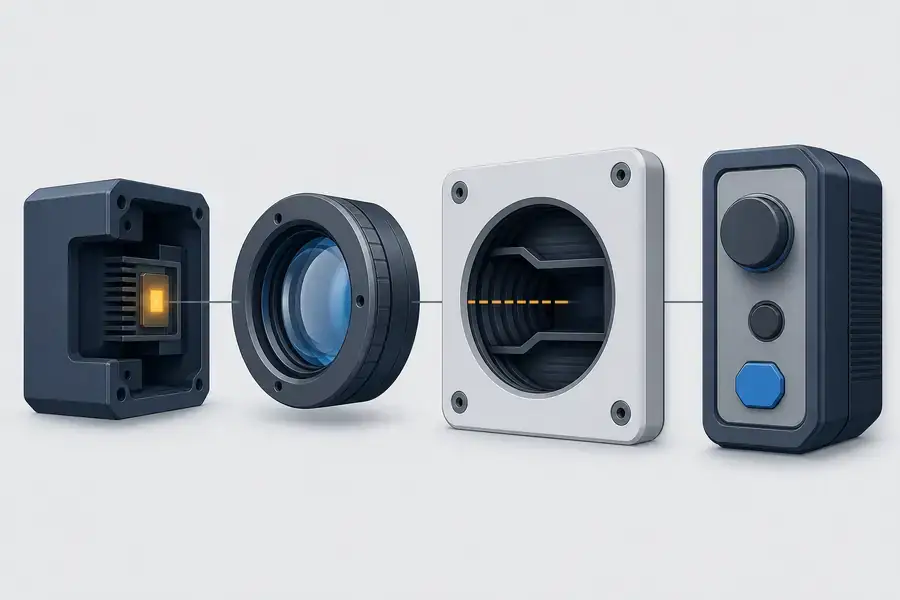
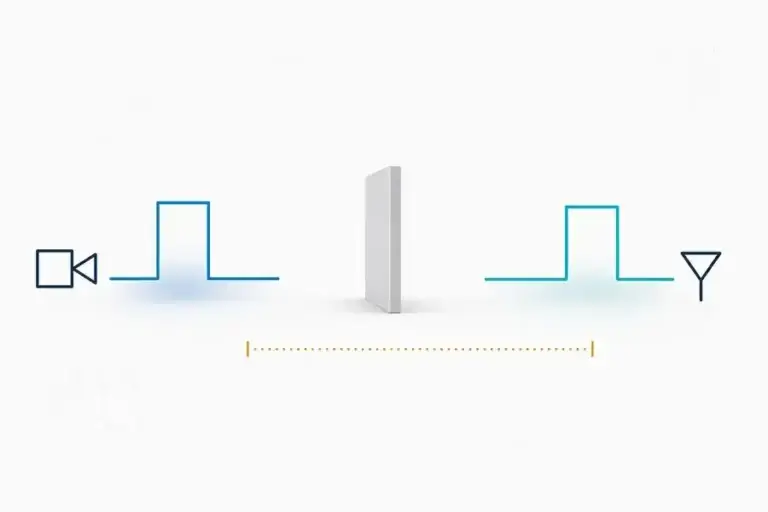
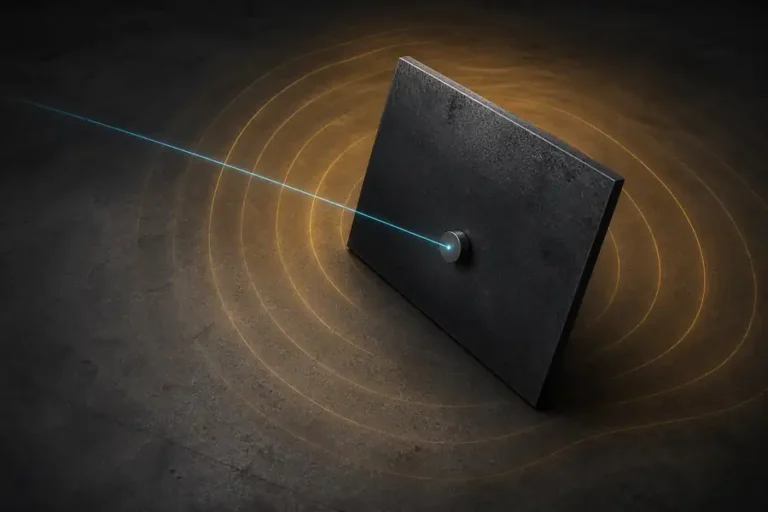
Caption: Conceptual review chain only. The dashed path represents an invisible wavelength for explanation; it is not a product drawing or a classification result.
What the review must establish
Ask the supplier or your internal product owner for the test record that applies to the exact build you intend to ship. It should identify the model or configuration, the apertures evaluated, the operating modes, and the conditions under which the assessment was made. A marketing statement without that context is not enough for a design review.
The technical review should connect the source behavior to the finished optical system. For pulsed ranging, that usually means pulse energy, pulse duration, repetition rate, beam diameter, divergence, and any accessible optical magnification or focusing path. It also needs the modes a user can invoke, including continuous measurement, service modes, and fault behavior. These are design inputs, not universal pass/fail values.
Why a favorable wavelength is not a classification
Longer near-infrared wavelengths are often discussed in laser-safety conversations because ocular absorption and hazard mechanisms vary with wavelength. That physical context is real, but it does not turn a source or a module into a classified end product by itself. Accessible emission limits and classification depend on the full standard method and the specified operating conditions.
The same discipline prevents another common mistake: treating a component specification as a system specification. Transmit optics can change beam geometry. Windows, magnifiers, and service access can change the accessible condition. Drive settings can change the pulse train. The rangefinder’s final enclosure and intended use are therefore part of the engineering evidence.
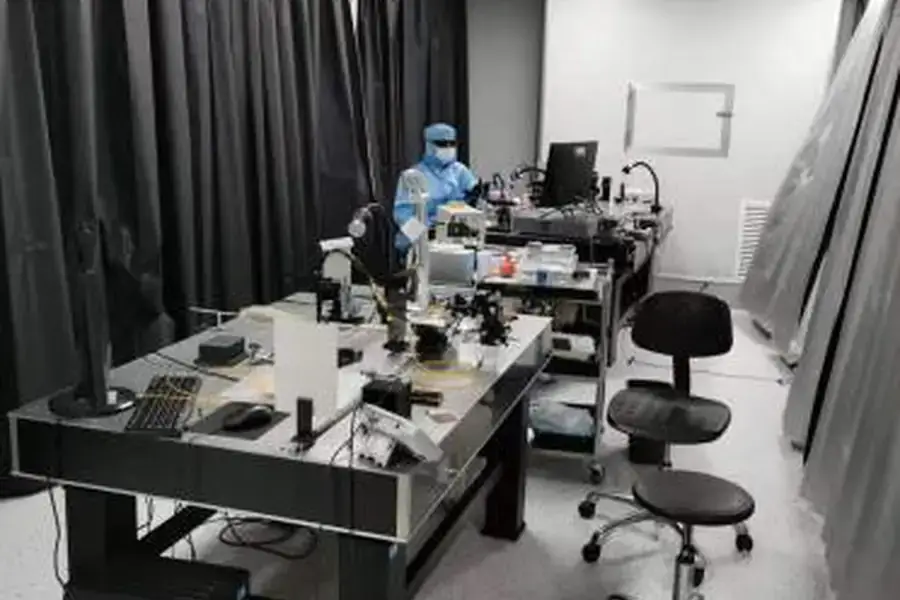
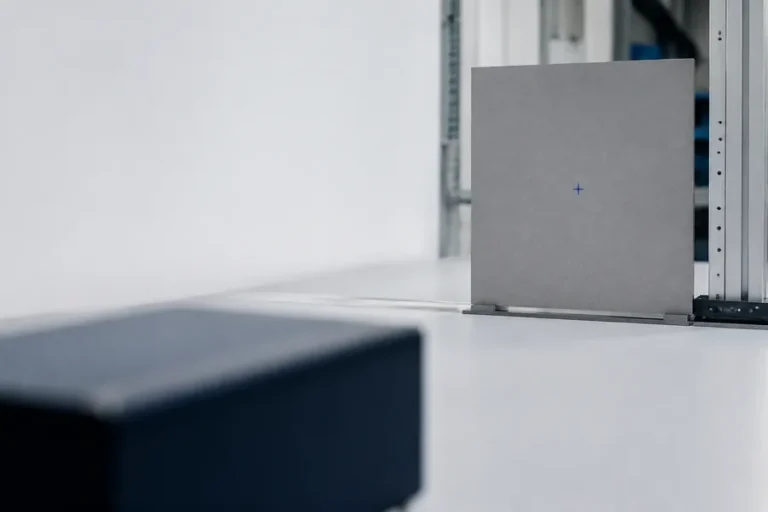
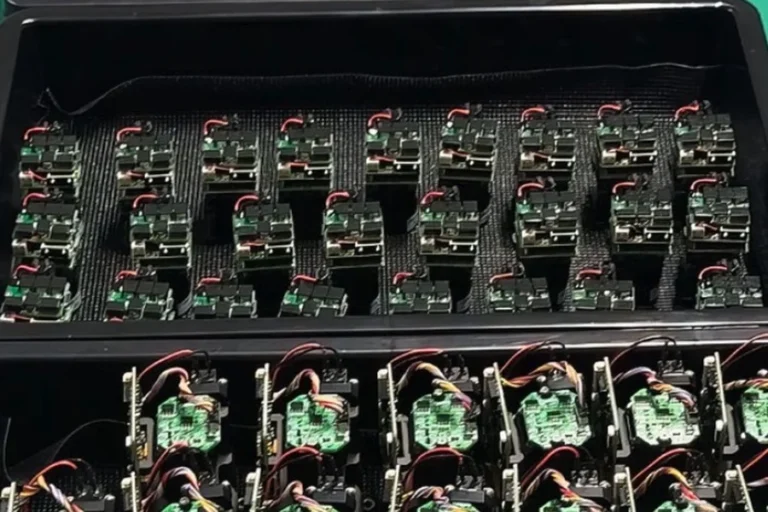
Caption: A controlled assembly workstation provides a practical setting for reviewing optical and mechanical interfaces. This photograph is not a safety test or a certification claim.
Build the evidence package before the design freezes
An effective buyer review is short, but it is specific. Start by requesting the product’s classification report or equivalent controlled evidence, then check that the model, revision, optics, aperture arrangement, and declared operating modes match the configuration you are buying. If your design adds a window, telescope, different lens spacing, or a new operating mode, treat that as a reason to revisit the assessment.
Next, distinguish performance information from safety evidence. A range statement needs target reflectance, receiver sensitivity, aperture, atmosphere, alignment, and signal processing conditions. Safety evidence needs its own test conditions and product boundary. The same specification sheet can contain both subjects, but they should not be conflated. Our guide to reading a laser rangefinder module datasheet helps teams keep those parameter families separate.
For imported or integrated products, also establish ownership of change control. Who must be notified if a transmitter, lens, coating, firmware mode, enclosure, or production process changes? Which sample and document revision were evaluated? A clear answer protects design schedules when the product moves from prototype to repeatable production.
Use conditions that belong in an OEM review
The review should describe normal operation, foreseeable access, and the boundaries of the intended instrument. That includes whether the optical path is enclosed, how an operator triggers a measurement, what happens during alignment or service, and which accessories alter the output path. The FDA’s guidance for surveying, leveling, and alignment laser products is a helpful reminder that classification and labeling are tied to product use, not merely to a source’s nominal wavelength.
This is also where system engineering and sourcing meet. An instrument team needs the optical and mechanical interfaces early enough to make an informed enclosure decision. A supplier needs a precise description of the final use case rather than an assumption that a module’s nominal wavelength settles every question. See how our laser-ranging solutions are approached as system work, where optical, electronic, and mechanical interfaces are considered together.

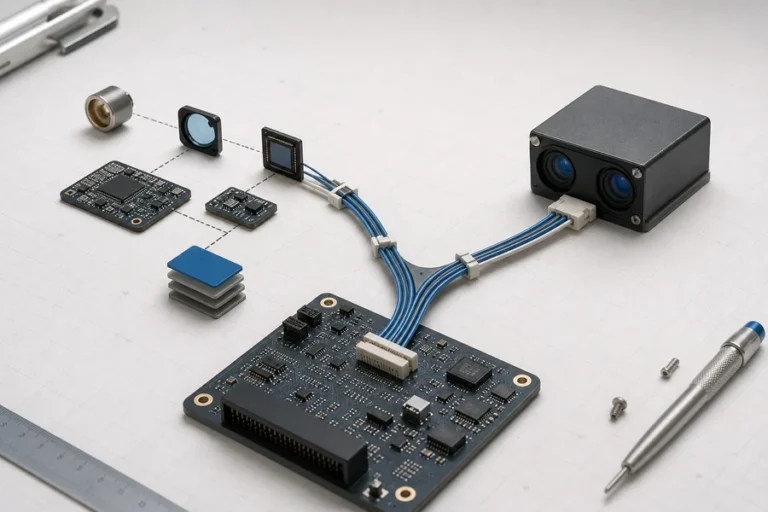
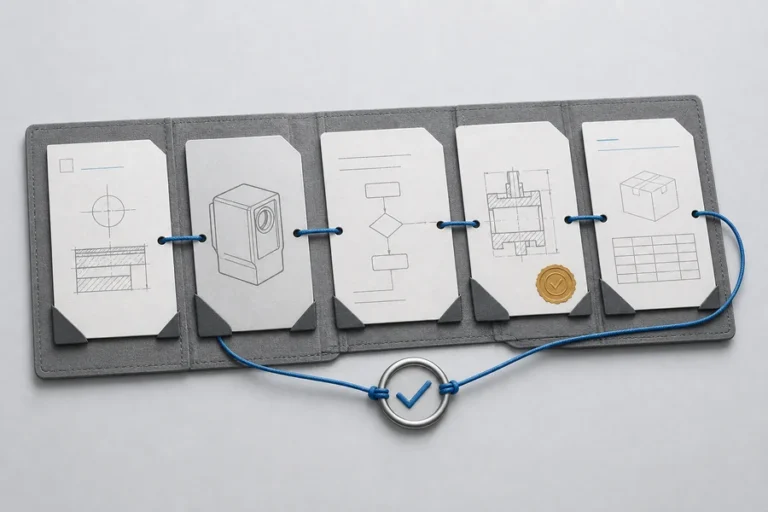
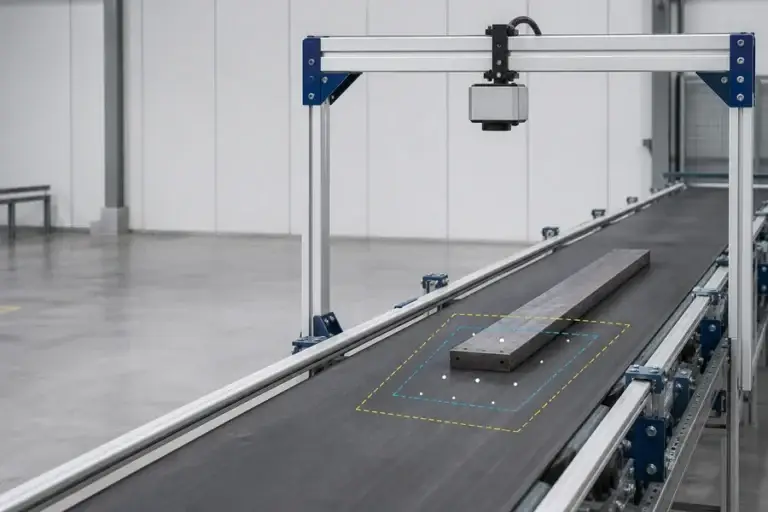
Caption: Controlled process work supports traceability and review. This photograph does not represent a safety test or a certification claim.
Questions to ask before you use the term in a specification
Use this checklist with your supplier, quality team, and product owner:
- Which exact product configuration is covered by the controlled classification evidence?
- Which apertures, windows, modes, and accessories were included in the assessment?
- What operating conditions and user-access assumptions were used?
- Does the planned host instrument change the accessible optical path or control behavior?
- Who owns change notification and reassessment when optics, firmware, or housing revisions occur?
At Lumexis, we treat this as an integration conversation, not a shortcut attached to a wavelength. Our team can discuss the source, optical interface, electronics, and qualification questions needed for a civil, industrial, or scientific ranging instrument. Explore our laser technology approach or contact our engineers with your intended range, working environment, mechanical envelope, interface, and operating modes.
FAQ
Is a 1535 nm or 1550 nm source automatically eye safe?
No. Wavelength informs the optical-hazard analysis, but a product classification depends on the accessible emission from the defined product in its stated configuration and operating conditions. The transmitter, optics, enclosure, apertures, controls, and use assumptions all matter. Request controlled evidence for the exact product you plan to ship.
What should an OEM request from a laser rangefinder supplier?
Request the controlled classification evidence or equivalent assessment record for the exact configuration, plus the evaluated apertures, operating modes, and relevant conditions. Then compare that record with your host instrument. If your design changes the optical path, enclosure, or controls, ask whether the evidence remains applicable.
Can a module classification be reused without review in a new instrument?
Not automatically. A module can be part of the evidence package, but the finished instrument can introduce different accessible apertures, windows, magnification, service access, or operating modes. Treat the final product boundary as the unit that needs a documented review.
Does a range claim demonstrate laser safety?
No. Range performance and safety evidence answer different questions. Range depends on the target, receiver, optics, atmosphere, alignment, and signal processing. Safety evidence concerns accessible emission and the defined operating conditions. Review each set of evidence on its own terms.
When should a review be repeated?
Repeat the review whenever a change can affect the accessible optical output or how the product is used. Typical triggers include transmitter or lens changes, enclosure or window revisions, a new control mode, a different accessory, or a manufacturing revision that changes a relevant optical or electrical condition.