Eine gepulste Er:Glass-Quellenplattform für ausgewählte OEM-Optiksysteme.

Lumexis entwickelt kompakte gepulste Erbiumglas-Laserquellen für OEM Entfernungsmessung, optische Sensorik, LiDAR und wissenschaftliche Instrumente. Die Serie umfasst 40–500 µJ Pulsenergie bei 1535 nm, mit 3–6 ns Pulsbreite, modellabhängig 1–1000 Hz Wiederholrate, ≤10 oder ≤15 mrad Divergenz, <2 V Versorgungsspannung und Betrieb von −40 bis +65°C.
Die Leistungswerte sind modellspezifisch. Bestätigen Sie die auftragsspezifische technische Spezifikation, Schnittstelle und Integrationszeichnung vor der Designfreigabe.
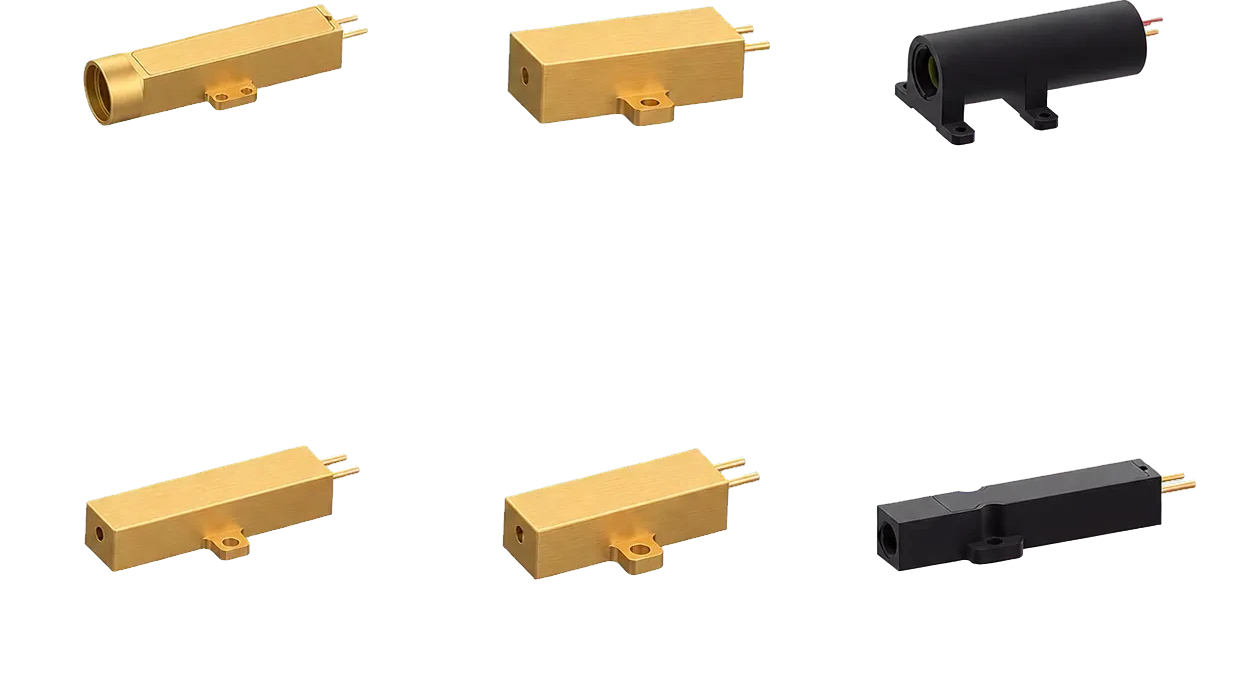 OEM-EntfernungsmessungLiDAR & FernerkundungOptische SensorikWissenschaftliche Instrumente
Eine gepulste Er:Glass-Quellenplattform für ausgewählte OEM-Optiksysteme.
Sechs Quellenmodelle bieten einen definierten Energiebereich für Systemabwägungen.
Spezifizierter Kurzpulsausgang über die veröffentlichte Modellserie.
Modellabhängig ausgewählt: 1–10 Hz oder 1000 Hz für die 40-µJ-Quelle.
Modellabhängige Divergenz, abgestimmt auf den optischen Pfad des Hostsystems.
Veröffentlichter Betriebstemperaturbereich; bestätigen Sie die endgültige Konfiguration.
Komplettes Produktsortiment
Alle veröffentlichten Modelle sind unten aufgeführt. Beginnen Sie mit der erforderlichen Pulsenergie, Wiederholrate, Strahldivergenz und dem verfügbaren Installationsvolumen; überprüfen Sie dann die elektrische Schnittstelle, die mechanische Zeichnung und die Testbedingungen für das vorgesehene System.
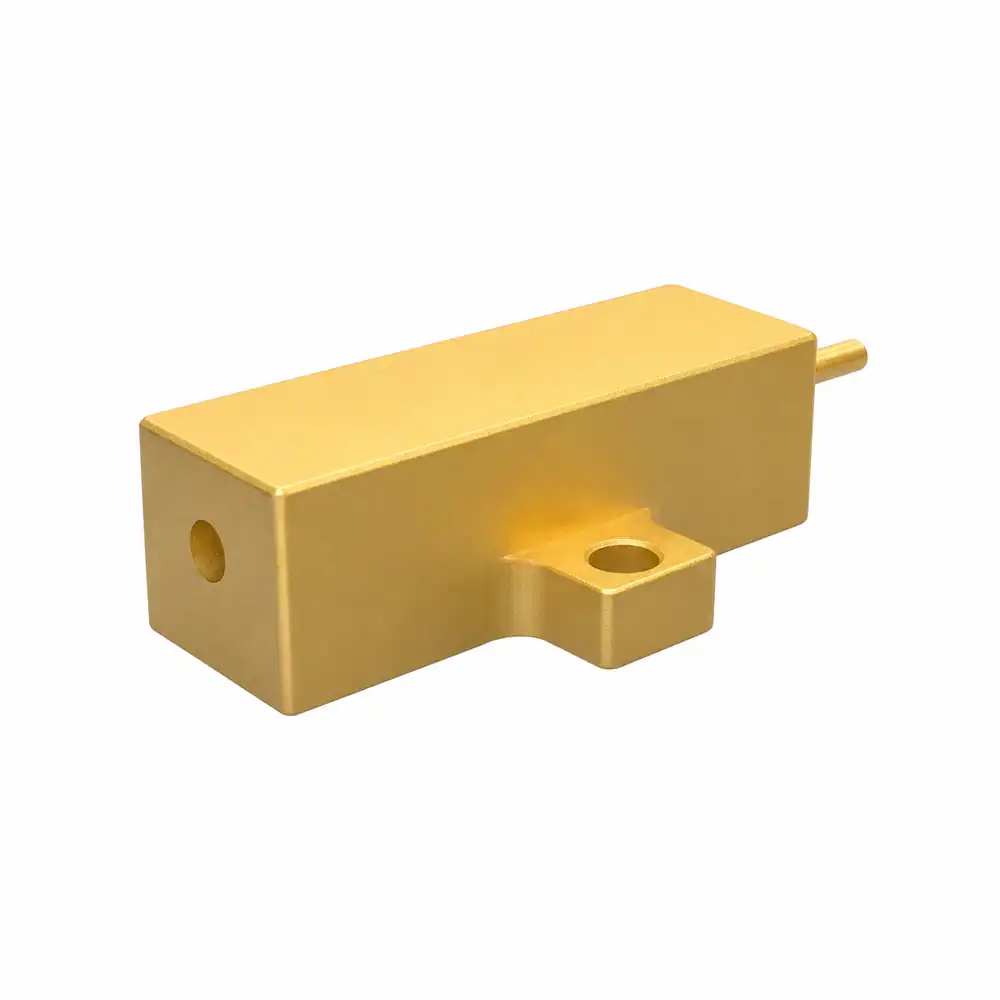
1535-LXER040
40 µJ bei 1535 nm; 1000 Hz Wiederholrate; 3–6 ns Pulsbreite; ≤15 mrad Divergenz.
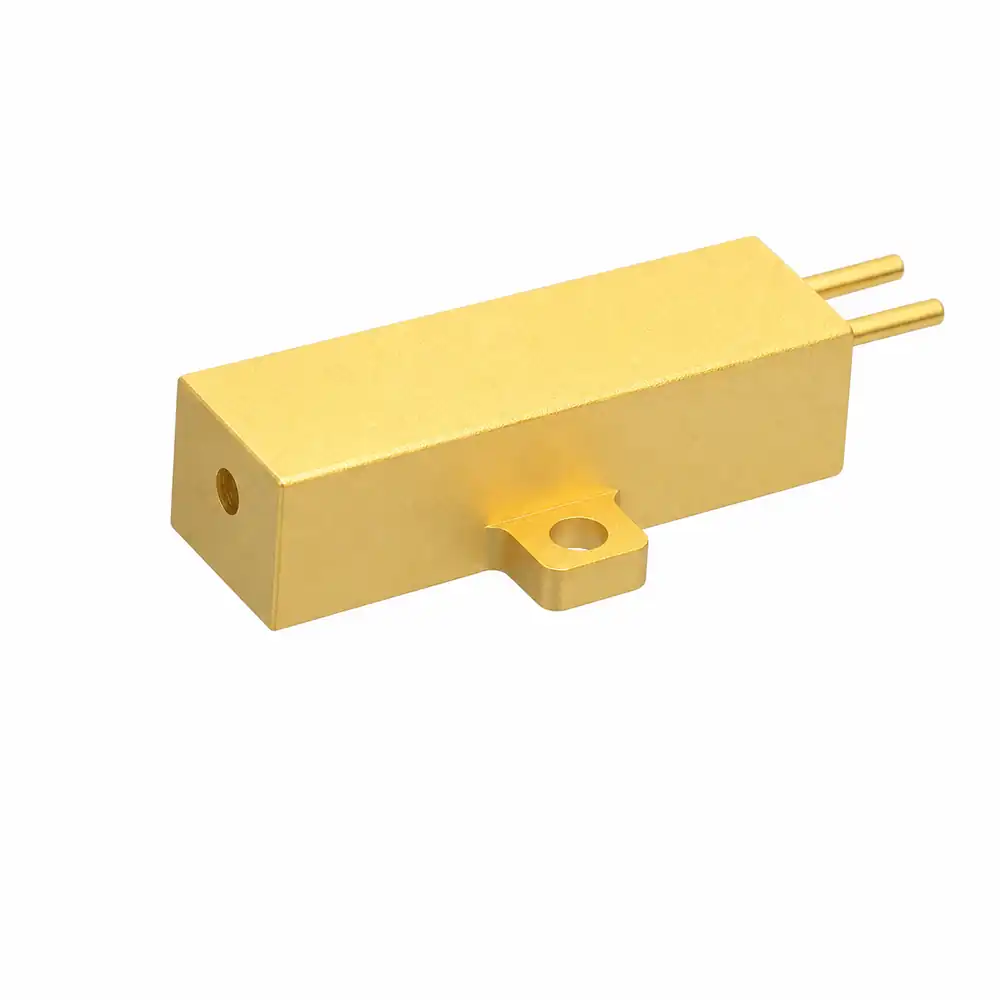
1535-LXER100
100 µJ bei 1535 nm; 1–10 Hz Wiederholrate; 3–6 ns Pulsbreite; ≤10 mrad Divergenz.
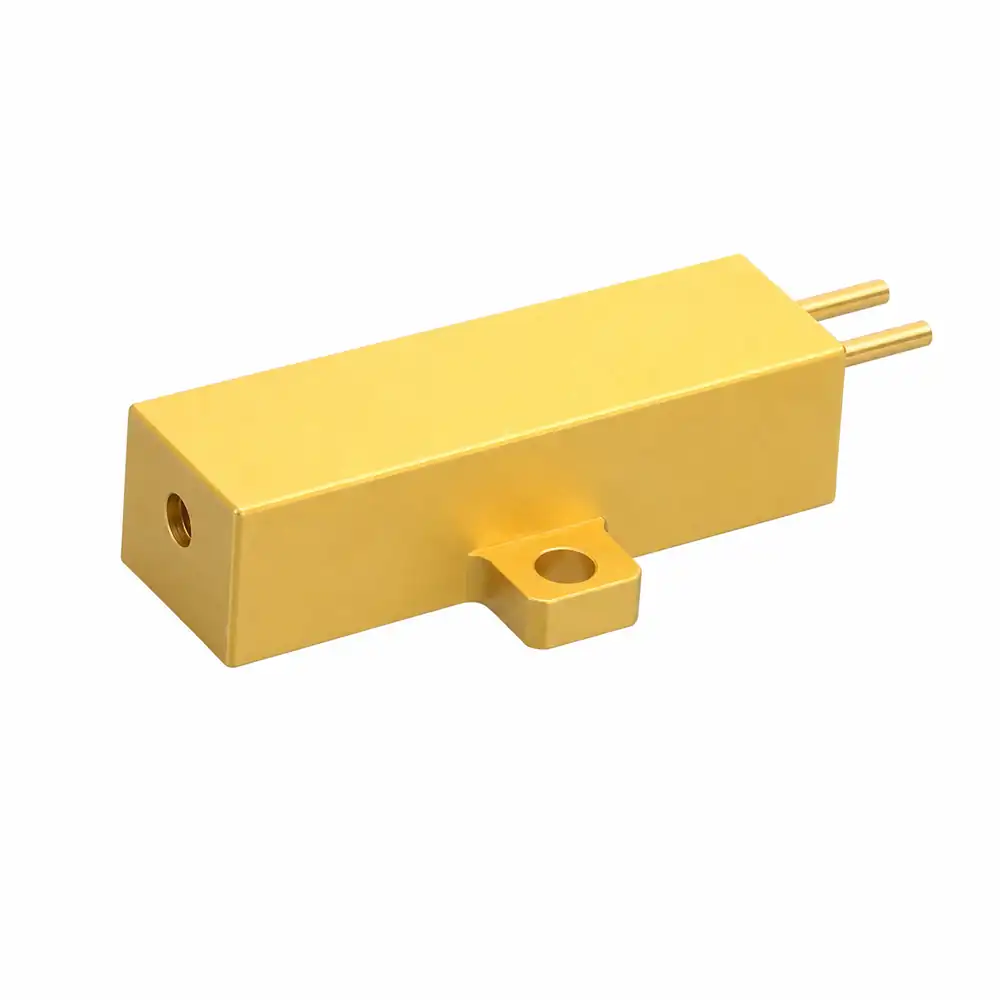
1535-LXER200
200 µJ bei 1535 nm; 1–10 Hz Wiederholrate; 3–6 ns Pulsbreite; ≤10 mrad Divergenz.
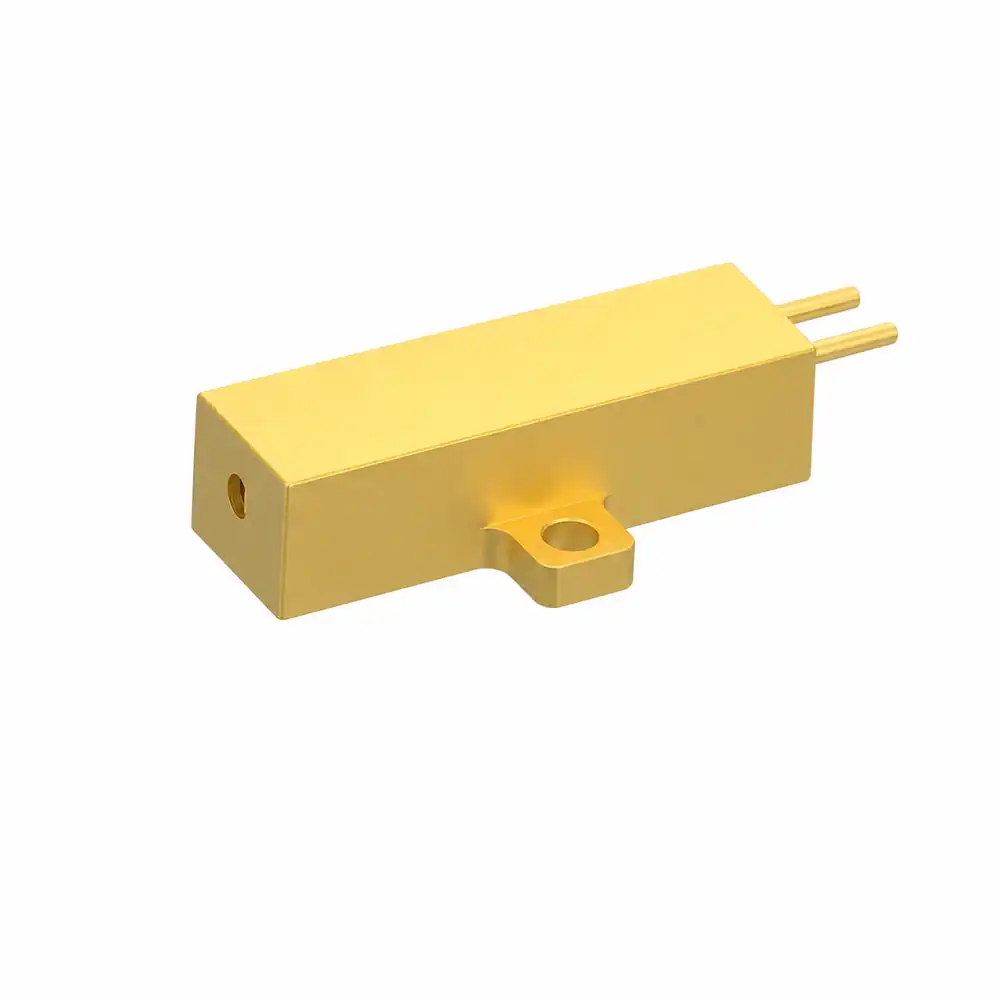
1535-LXER300
300 µJ bei 1535 nm; 1–10 Hz Wiederholrate; 3–6 ns Pulsbreite; ≤10 mrad Divergenz.
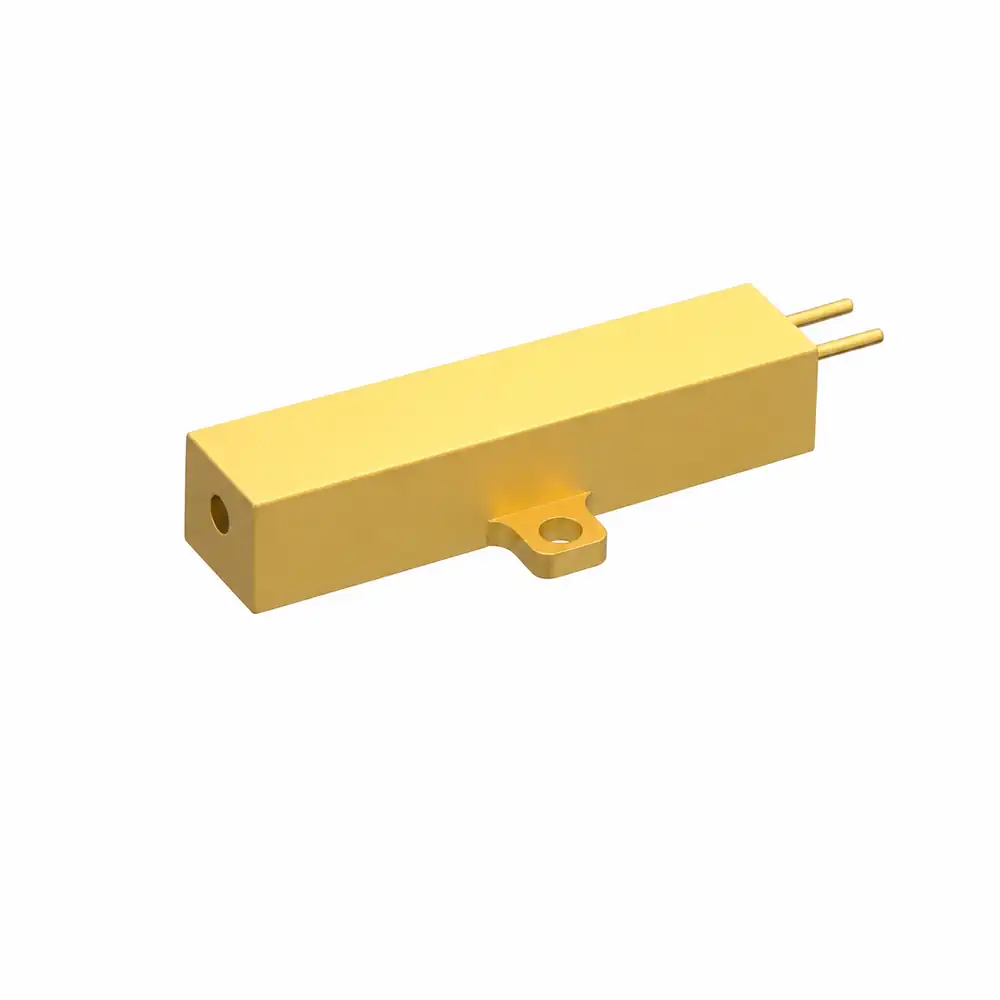
1535-LXER400
400 µJ bei 1535 nm; 1–10 Hz Wiederholrate; 3–6 ns Pulsbreite; ≤15 mrad Divergenz.
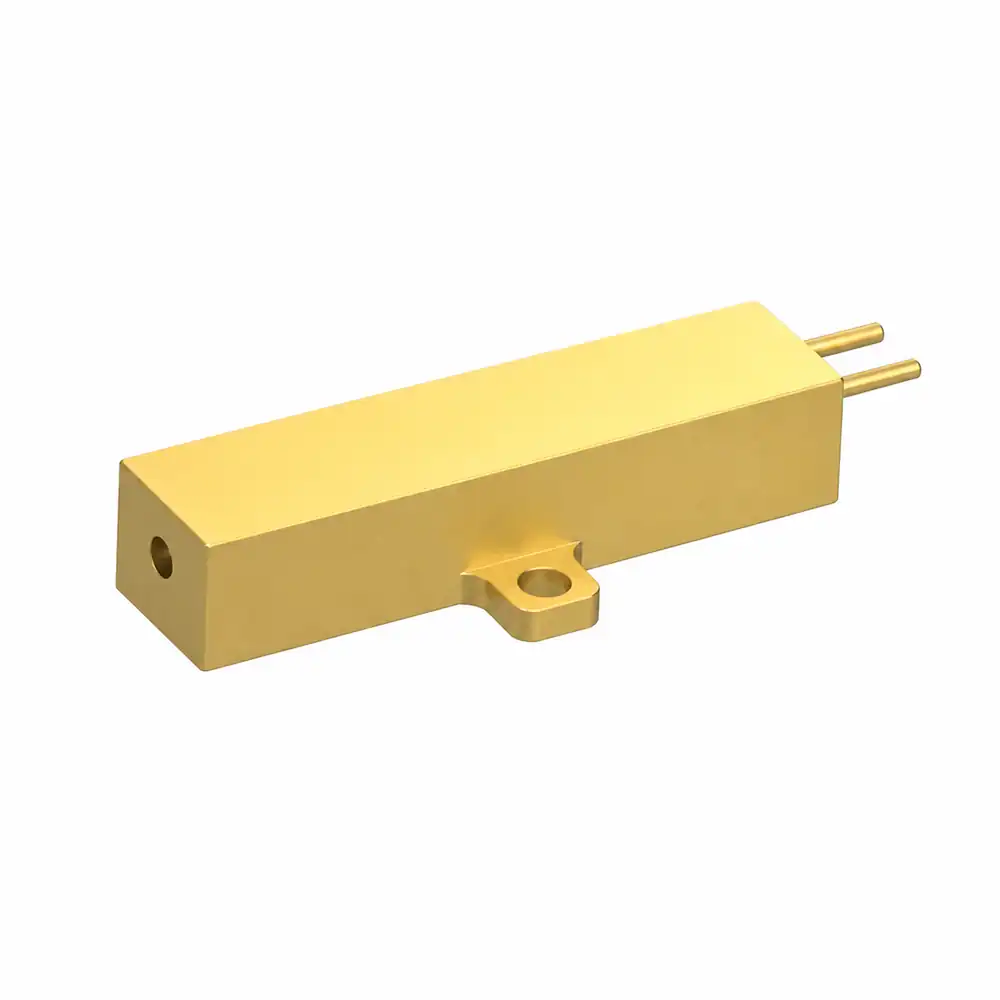
1535-LXER500
500 µJ bei 1535 nm; 1–10 Hz Wiederholrate; 3–6 ns Pulsbreite; ≤15 mrad Divergenz.
Modellvergleich
Die Tabelle ist eine Auswahlhilfe, kein Integrationsfreigabedokument. Schnittstelle, mechanische Hülle und Testbedingungen werden in der modellspezifischen technischen Spezifikation bestätigt.
| Modell | Pulsenergie | Wiederholung | Pulsbreite | Divergenz | Versorgung | Betriebstemperatur | Gewicht |
|---|---|---|---|---|---|---|---|
| 1535-LXER040 | 40 µJ | 1000 Hz | 3–6 ns | ≤15 mrad | <2 V | −40 bis +65°C | — |
| 1535-LXER100 | 100 µJ | 1–10 Hz | 3–6 ns | ≤10 mrad | <2 V | −40 bis +65°C | 9 g |
| 1535-LXER200 | 200 µJ | 1–10 Hz | 3–6 ns | ≤10 mrad | <2 V | −40 bis +65°C | 9 g |
| 1535-LXER300 | 300 µJ | 1–10 Hz | 3–6 ns | ≤10 mrad | <2 V | −40 bis +65°C | 9 g |
| 1535-LXER400 | 400 µJ | 1–10 Hz | 3–6 ns | ≤15 mrad | <2 V | −40 bis +65°C | 11 g |
| 1535-LXER500 | 500 µJ | 1–10 Hz | 3–6 ns | ≤15 mrad | <2 V | −40 bis +65°C | 13 g |
Spezifikationshinweis: 1535 nm Wellenlänge, Pulsenergie, Wiederholrate, Pulsbreite und Divergenzwerte sind modellspezifische veröffentlichte Werte. “—” bedeutet, dass die öffentlichen Quelldaten keinen Wert auflisten; fordern Sie das entsprechende Datenblatt für das ausgewählte Modell an.
Grundlagen der Laserquelle
Energie wird im erbiumdotierten Glas-Verstärkungsmedium gespeichert und als kurzer optischer Puls freigesetzt, wenn der passive Q-Switch den Resonatorverlust ändert. Die resultierende Pulsenergie, -breite, Strahldivergenz und Wiederholrate sind voneinander abhängige Designparameter—keine unabhängigen Einstellungen, die isoliert optimiert werden können.
Das aktive Glas speichert Pumpleistung und bietet den 1535 nm Laserübergang.
Unterstützt kompakten gepulsten Betrieb ohne extern angesteuerten Q-Switch.
Die Ausgangsoptik legt die gelieferte Strahlgeometrie für den Host-Optikpfad fest.
Montage-, Stecker- und Öffnungsdetails müssen der Zeichnung des ausgewählten Modells folgen.
Auswahlwissen
Eine Quelle sollte als Teil des vollständigen optischen und elektrischen Systems bewertet werden. Diese Eingaben helfen, die anfängliche Modellauswahlliste und die technischen Fragen für Mustertests zu definieren.
Pulsenergie legt die optische Energie pro Emission fest. Wählen Sie sie basierend auf der erforderlichen Systemsignalmarge, Empfängerempfindlichkeit, optischen Verlusten und der endgültigen Sicherheitsbewertung.
Divergenz steuert, wie schnell sich der Strahl ausbreitet. Ein Host-Expander, eine Öffnung und Ausrichtungstoleranz beeinflussen alle den gelieferten Fußabdruck.
Die Wiederholrate muss mit der Erfassungszeit, dem thermischen Budget und der Host-Verarbeitung übereinstimmen. Das 40 µJ-Modell ist bei 1000 Hz spezifiziert; andere aufgeführte Modelle sind 1–10 Hz.
Kürzere Pulse können die Time-of-Flight-Auflösung unterstützen, aber die vollständige Systemantwort umfasst auch Detektor-, Elektronik-, Zeit- und Signalverarbeitungsgrenzen.
Für kleine Winkel verwenden Sie den Vollwinkel θ in Radiant und die Ausbreitungsdistanz R. Beziehen Sie den anfänglichen Strahldurchmesser der Quelle, Host-Optik und Ausrichtungstoleranz in das detaillierte Modell ein. Bestätigen Sie die Divergenzdefinition in der Spezifikation des ausgewählten Modells.
Anwendungslösungen
Die Anwendungseignung hängt von Pulsenergie, Divergenz, Wiederholrate, dem Host-Optikpfad und der Empfängerarchitektur ab. Vor der Designfreigabe wird eine repräsentative Systemtests empfohlen.
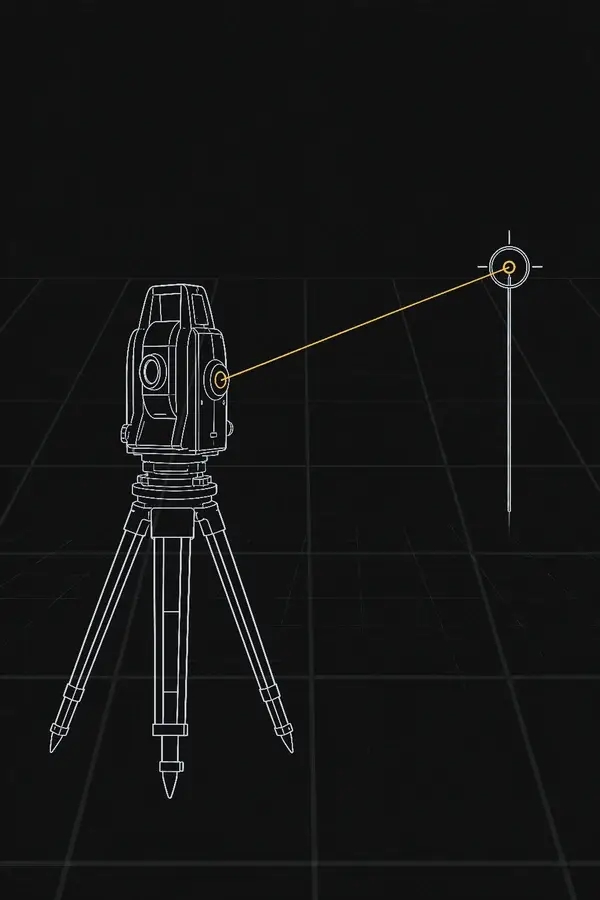
Gepulste Quellen-Bausteine für kompakte Entfernungsmessgeräte und integrierte Mess-Subsysteme.
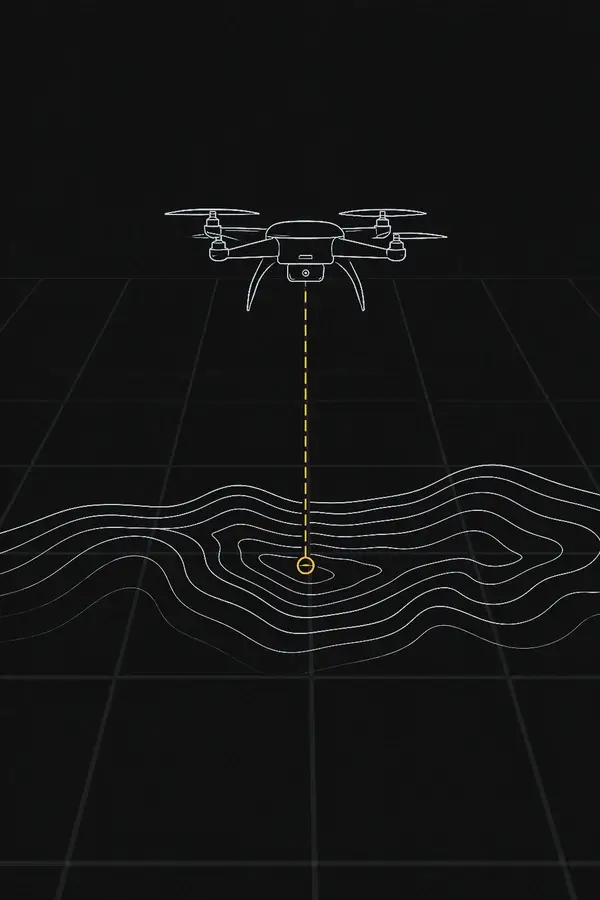
Quellenintegration für zivile Kartierungssysteme, die gepulste Übertragung, Zeitmessung, Abtastung und Empfängerarchitektur kombinieren.
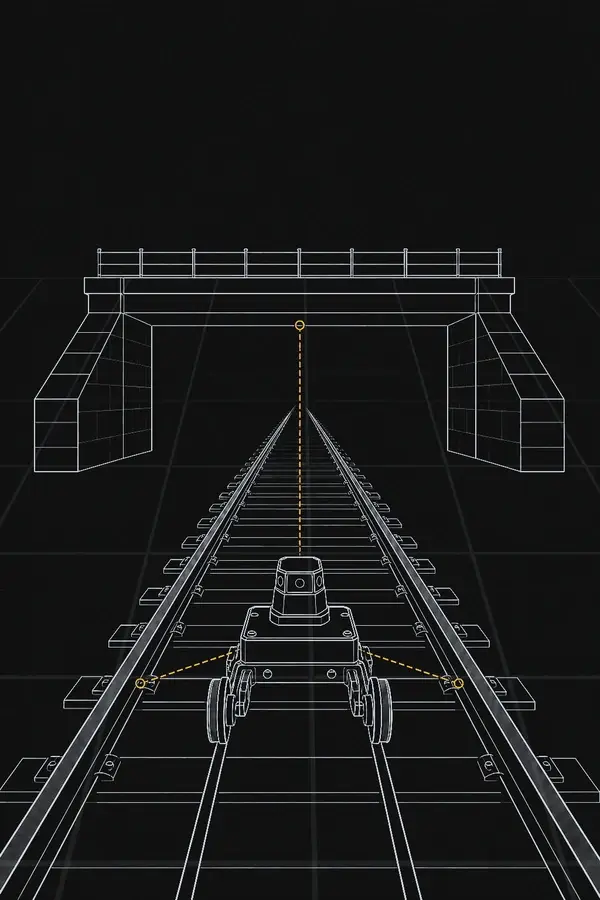
Unterstützt optische Messabläufe für Eisenbahn- und feste Infrastruktur Inspektionsausrüstung.
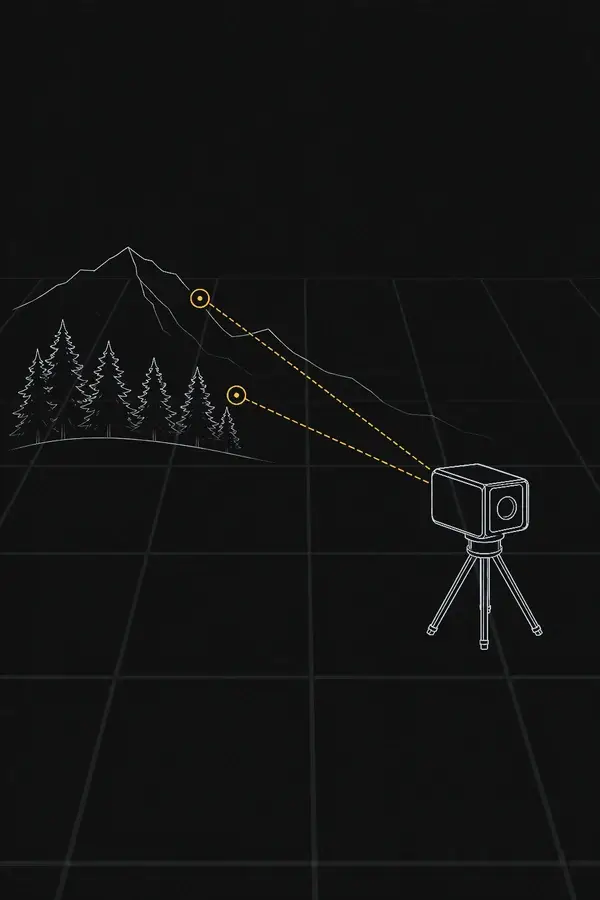
Eine kompakte 1535-nm-Pulsquellenoption für Labor- und Feld-Forschungsinstrumentierung.
Mechanische & elektrische Integration
Eine Laserquelle ist nur ein Teil des endgültigen Instruments. Verwenden Sie die modellspezifische Zeichnung und Pinbelegung als Integrationsbasis und validieren Sie das zusammengebaute System einschließlich Optik, Montage, Verkabelung, Versorgungsstabilität und Betriebsumgebung.
Schützen Sie die Ausgangsapertur, halten Sie die freie Apertur ein und steuern Sie die Ausrichtung mit der optischen Achse des Hosts.
Die veröffentlichte Quellenspezifikation listet <2 V Versorgung auf. Bestätigen Sie Anlauf, Treiberstrom und Erdung im ausgewählten Datenblatt.
Verwenden Sie die Modellzeichnung, um Befestigungspunkte, Sperrzonen und thermische Schnittstellen zu lokalisieren.
Testen Sie das fertige Host-System, nicht nur die nackte Quelle, auf optische Leistung und Sicherheitskonformität.
Fertigung, Prüfung & Lieferung
Wiederholbare Versorgung hängt von kontrollierter Montage, modellbezogener Prüfung, Schnittstellenbestätigung und Schutzverpackung ab. Der genaue Abnahmepian und die Dokumentation werden für die angebotene Konfiguration definiert.
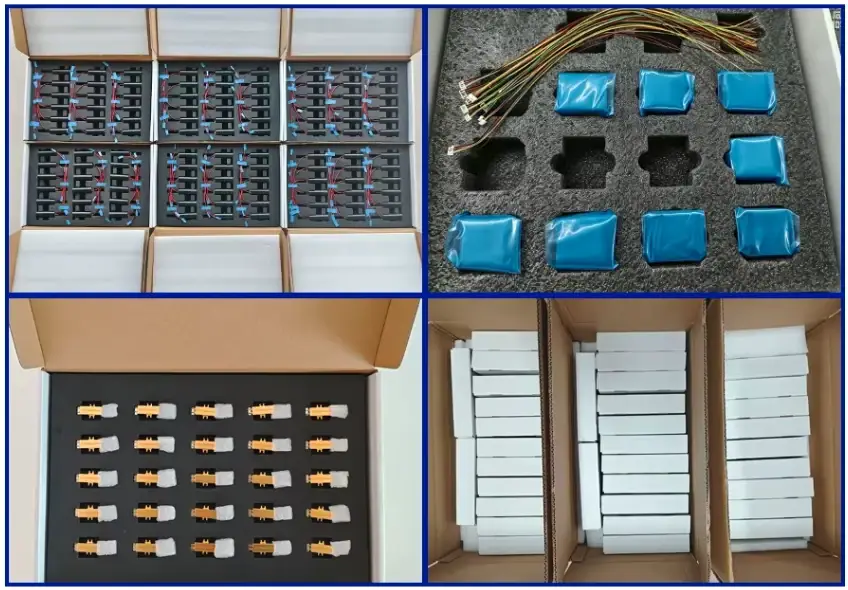
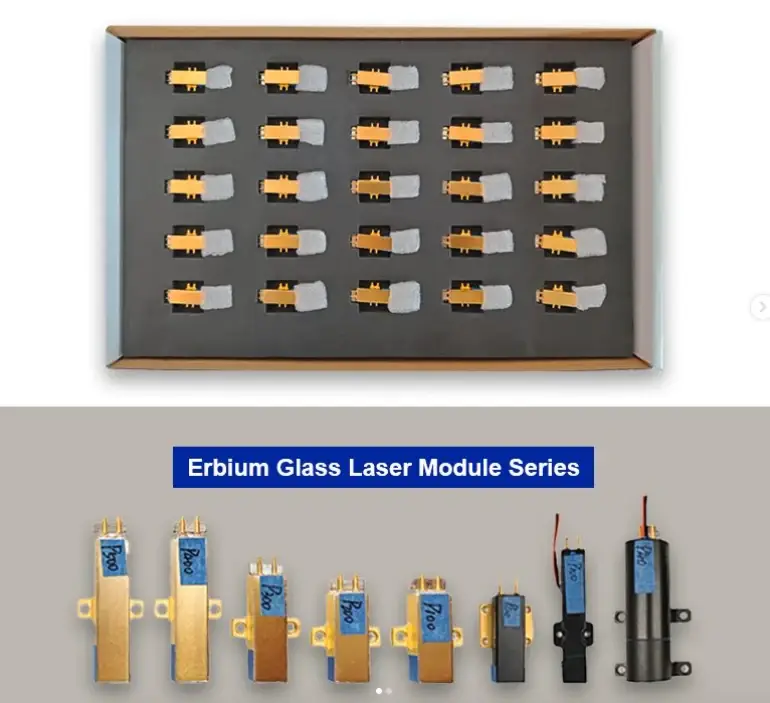
Überprüfen Sie die Ausgabe gegen die ausgewählte 1535-nm-Quellenspezifikation.
Messen Sie die Ausgangsenergie gegen den relevanten Modell-Abnahmewert.
Überprüfen Sie Pulsbreite und Wiederholungsverhalten für den ausgewählten Betriebsmodus.
Bestätigen Sie Strahlausrichtung und Divergenz gegen die Produktanforderung.
Bestätigen Sie Modellidentität, Schnittstellenkabel, Paketzustand und auftragsspezifische Dokumentation.
Trennen Sie die Quelleneinheiten und schützen Sie optische und elektrische Schnittstellen für den Handhabungsweg.
FAQ vor dem Verkauf
Diese Antworten bieten einen praktischen Ausgangspunkt für Quellenauswahl und Angebot. Exakte Schnittstellen, Abnahmekriterien und Zeichnungen werden für das ausgewählte Modell bestätigt.
Beginnen Sie mit dem optischen Link-Budget des Systems, der Empfängerempfindlichkeit, der gewünschten Signalmarge, der Übertragung der Host-Optik, der Reichweiten- oder Erfassungsanforderung und den thermischen/elektrischen Grenzen. Höhere Pulsenergie ist nicht automatisch die richtige Antwort; der gelieferte Strahl, die Messkadenz und die endgültige Systembewertung zählen zusammen.
Die veröffentlichte Spezifikation 1535-LXER040 listet 1000 Hz auf. Die auf dieser Seite gelisteten 100–500 µJ Modelle sind mit 1–10 Hz spezifiziert. Bestätigen Sie den erforderlichen Betriebsmodus und das Tastverhältnis im ausgewählten Produktdatenblatt.
Ja. Fordern Sie die modellspezifische technische Spezifikation, mechanische Zeichnung und verfügbare Schnittstellendokumentation während der Angebots- oder Musterbewertungsphase an. Diese Dokumente sollten als Design-Basis verwendet werden, nicht generische Kategorieseitenwerte.
Sie beschreibt die Winkelausbreitung des gelieferten Strahls. Sie beeinflusst den Strahlfußabdruck, die nachgelagerte Aperturgröße und die Ausrichtungstoleranz. Host-Optiken können den Strahl weiter formen, daher berechnen Sie den vollständigen optischen Pfad und verifizieren Sie ihn während des Systemtests.
Wir können OEM-Anforderungen für mechanische Schnittstelle, elektrische Verbindung, optische Konfiguration und Programmdokumentation bewerten. Die Machbarkeit hängt von der angeforderten Leistung, Produktionsmenge, Validierungsumfang und der endgültigen Host-Anwendung ab.
Geben Sie die Zielanwendung, die erforderliche Pulsenergie oder Signalmarge, die Wiederholrate, das optische Layout des Hosts, verfügbaren Platz und Masse, Versorgungsbedingungen, den erwarteten Temperaturbereich, die erwartete Stückzahl und das Zielvalidierungsdatum an.
Nein. Die Quelle ist ein OEM-Bauteil. Das endgültige Instrument muss in seiner vollständigen optischen, elektrischen und Betriebskonfiguration gegen die geltenden Produkt- und Lasersicherheitsanforderungen bewertet werden.
Technische Unterstützung
Senden Sie Ihr Pulsenergieziel, die Wiederholrate, das optische Layout, die mechanische Hülle und die Betriebsbedingungen. Wir helfen Ihnen, das am besten geeignete Modell und die für die Bewertung erforderlichen technischen Dokumente zu identifizieren.