

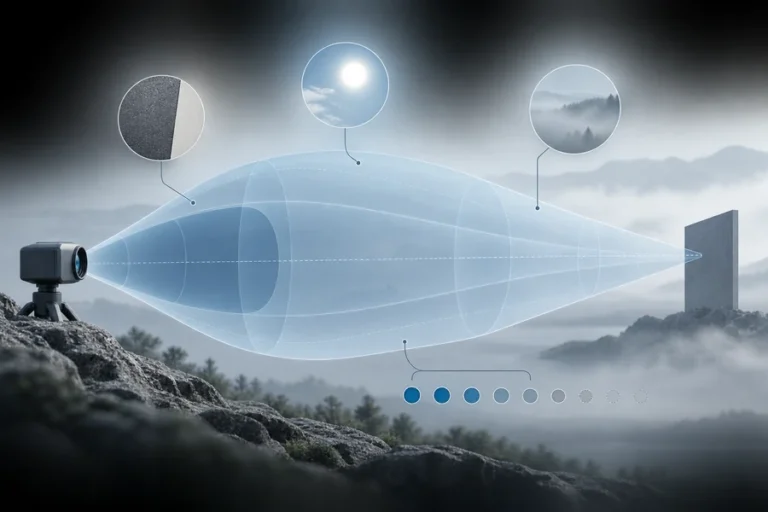

وحدة ليزر تجتاز كل الاختبارات البصرية والكهربائية على طاولة عملك. المدى ضمن المواصفات، وطاقة النبضة مستقرة، وجودة الحزمة نظيفة. ثم تصل إلى مراجعة الامتثال ويتوقف المشروع لستة أسابيع، لأن لا أحد قرر مبكرًا ما إذا كان المنتج النهائي سيكون من الفئة 1 أو الفئة 3B — والإجابة تغيّر الهيكل، والأقفال المتشابكة، والملصقات، والأوراق التصديرية.
هذا التسلسل شائع، وهو مكلف. سلامة الليزر ليست شهادة تُضاف قبل الشحن. إنها مجموعة من قيود التصميم التي يجب أن تشكل اختيار الطول الموجي، وطاقة النبضة، وتباعد الحزمة خلال أول مراجعة للبنية المعمارية.
يغطي هذا الدليل ما تتطلبه المعايير فعليًا، وكيف يعمل التصنيف عمليًا، وكيف تحدد الخيارات التي تتخذها على مستوى المصدر عبء السلامة الذي يحمله نظامك بالكامل.
جدول المحتويات
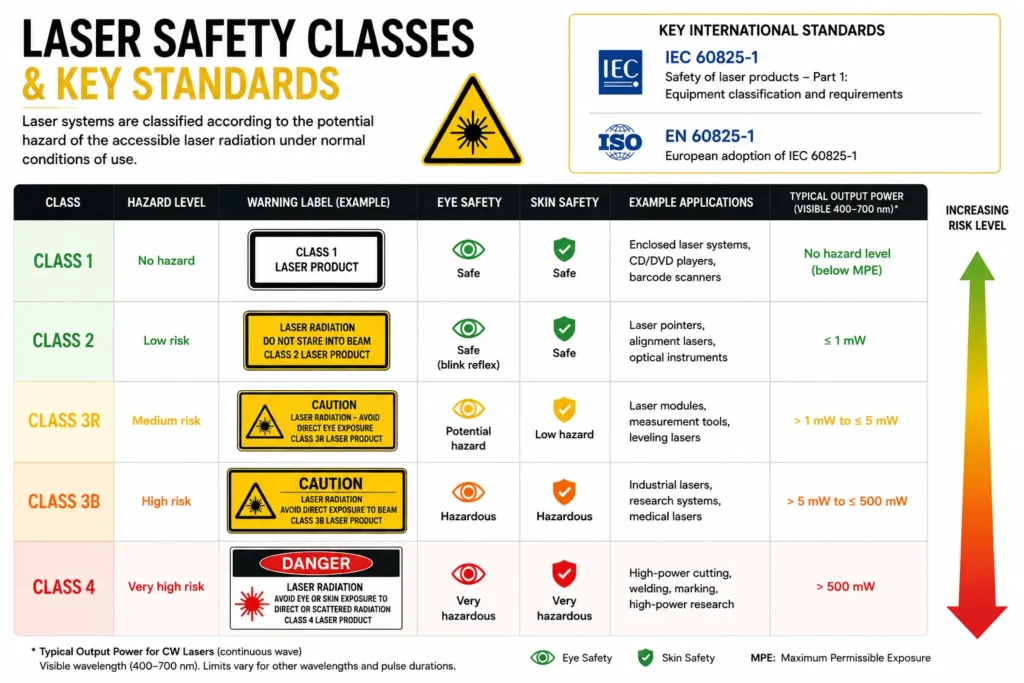
تحدد معايير سلامة الليزر كيفية تصنيف منتجات الليزر حسب مستوى الخطر وكيف يجب التحكم في ذلك الخطر. IEC 60825-1 هو المعيار الدولي للمنتجات الذي يخصص الفئات 1، و1M، و2، و2M، و3R، و3B، و4 بناءً على حدود الانبعاث المتاحة. ANSI Z136.1 هو المعيار الأمريكي الذي يحكم الاستخدام الآمن لليزر، المبني حول قيم التعرض الأقصى المسموح به.
المعياران المهمان، وكيف يختلفان
معظم المهندسين يسمعون “سلامة الليزر” ويتخيلون كتاب قواعد واحدًا. هناك اثنان، كُتبا لقراء مختلفين، والخلط بينهما يسبب مشاكل حقيقية.
IEC 60825-1 هو معيار منتجات. يخبر الشركة المصنعة كيفية تصنيف منتج الليزر وما هي الميزات الهندسية والملصقات ومعلومات المستخدم التي تتطلبها تلك الفئة. إذا كنت تبني وتبيع وحدات أو أنظمة ليزر، فهذا هو معيارك. النسخة الحالية المستخدمة على نطاق واسع هي IEC 60825-1:2014 (الطبعة 3.0)، والتي تغطي الإشعاع البصري من 180 نانومتر إلى 1 ملم. في أوروبا تظهر كـ EN 60825-1؛ والمعادل الصيني هو GB 7247.1.
ANSI Z136.1 هو معيار استخدام. يحكم كيفية تشغيل الليزر بأمان داخل المنشأة — تقييم المخاطر، وإجراءات التحكم، والتدريب، وتعيين مسؤول سلامة الليزر. النسخة الحالية هي ANSI Z136.1-2022. إنه يهم مدير منشأة عميلك أكثر من خط الإنتاج الخاص بك، لكنه يشكل ما سيطلبه عميلك منك.
الفرق العملي يكمن في الرياضيات. يعمل IEC 60825-1 من حدود الانبعاث المتاحة (AEL) — الحد الأقصى للإشعاع الذي يمكن أن يتعرض له المستخدم من المنتج، والذي يحدد الفئة. يعمل ANSI Z136.1 من التعرض الأقصى المسموح به (MPE) — مستوى التعرض الذي لا يُتوقع عنده تلف الأنسجة، مُجدولًا حسب الطول الموجي، ومدة التعرض، وما إذا كان الهدف هو العين أو الجلد. توجد AEL لضمان الامتثال لـ MPE. إنهما وجهان لنفس بيانات الإصابة الأساسية.
تاريخيًا، تباعد الاثنان أكثر مما هما الآن. استخدم ANSI ذات مرة الأرقام الرومانية (الفئة I إلى IV) واعترف بالفئة IIIa حيث استخدم IEC 3R، بينما اعترف IEC بـ 1M و2M ولم يعترف ANSI بهما. جلبت مراجعة 2022 لـ Z136.1 المعايير أقرب بشكل كبير، بما في ذلك اعتماد الفئة 1C. ستظل تواجه وثائق قديمة تستخدم الأرقام القديمة، ومن الجدير قراءة المواصفات بعناية لمعرفة أي نظام تعني.
طبقة إضافية واحدة تنطبق في الولايات المتحدة. يفرض مركز الأجهزة والصحة الإشعاعية التابع لإدارة الغذاء والدواء 21 CFR Part 1040 (المعيار الفيدرالي لأداء منتجات الليزر)، وهو لائحة إلزامية تغطي كل منتج ليزر أُدخل إلى التجارة الأمريكية منذ أغسطس 1976. لا تنشر OSHA معيارًا خاصًا بالليزر للصناعة العامة؛ فهي تفرض من خلال أحكام معدات الحماية الشخصية وحماية العين في 29 CFR 1910.132 و1910.133 وتشير إلى معايير ANSI التوافقية.
إذًا: يصنف IEC المنتج، ويحكم ANSI استخدامه، وتنظم FDA بيعه في الولايات المتحدة، وتفرض OSHA حماية العامل.
فئات الليزر، بالترتيب الذي ستواجهها فعليًا
التصنيف لا يتعلق بقوة الإخراج الخام. إنه يتعلق بـ الانبعاث المتاح — ما يهرب من المنتج تحت التشغيل العادي وظروف الأعطال المتوقعة بشكل معقول. ليزر بقوة 30 واط مغلق بالكامل بألواح متشابكة يمكن أن يكون منتجًا من الفئة 1 بشكل مشروع. هذا التمييز هو الشيء الأكثر فائدة الذي يمكن للمُدمج فهمه.
| الفئة | الخطر بعبارات بسيطة | النتيجة التصميمية النموذجية |
|---|---|---|
| 1 | آمن في جميع الظروف المتوقعة بشكل معقول | لا حاجة لضوابط الحزمة؛ الهيكل والأقفال المتشابكة تقوم بالعمل |
| 1C | تطبيق تلامسي على الجلد أو الأنسجة؛ خطر العين مُمنع بوسائل هندسية | الأجهزة الطبية/التجميلية؛ أجهزة استشعار تلامس متشابكة |
| 1M | آمن بدون مساعدة؛ خطير إذا نُظر إليه بتلسكوبات أو مكبرات | تحذير مطلوب ضد العدسات المجمعة |
| 2 | مرئي فقط (400–700 نانومتر)؛ منعكس الرمش يوفر الحماية | الإخراج المستمر محدود عادة بـ 1 ميجاواط |
| 2M | مرئي، آمن بدون مساعدة، خطير مع العدسات المجمعة | نفس الفئة 2، بالإضافة إلى تحذير العدسات |
| 3R | خطير محتمل مع المشاهدة المباشرة داخل الحزمة؛ احتمالية إصابة منخفضة | ضوابط مخفضة؛ لا يزال يتطلب ملصقات وتدريبًا |
| 3B | خطير عند التعرض المباشر والانعكاس المرآوي | إخراج مستمر حتى 0.5 واط؛ أقفال متشابكة، تحكم بالمفتاح، موانع حزمة، نظارات واقية |
| 4 | خطير بما في ذلك الانعكاسات المنتشرة؛ خطر حريق وجلد | نظام تحكم كامل: NHZ، إشراف LSO، هيكل، معدات حماية شخصية |
بضع نقاط تسبب الارتباك للناس.
منطق منعكس الرمش وراء الفئة 2 يعتمد على استجابة تجنب خلال 0.25 ثانية، ويعمل فقط إذا كانت الحزمة مرئية. لهذا السبب لا يمكن أبدًا أن يكون ليزر الأشعة تحت الحمراء من الفئة 2. عند 1064 نانومتر أو 1535 نانومتر لا يوجد رمش، ولا تجنب، ولا تحذير — عدم الرؤية يزيل حماية الجسم الطبيعية، وهذا بالضبط سبب استحقاق المصادر غير المرئية لتصميم أكثر تحفظًا، وليس أقل.
سقف الموجة المستمرة لفئة 3B البالغ 0.5 واط يُستشهد به على نطاق واسع، لكن حدود النبض مختلفة وتعتمد على الطول الموجي ومدة النبض. لا تفترض أبدًا أن جهاز النبض يرث عتبة الموجة المستمرة.
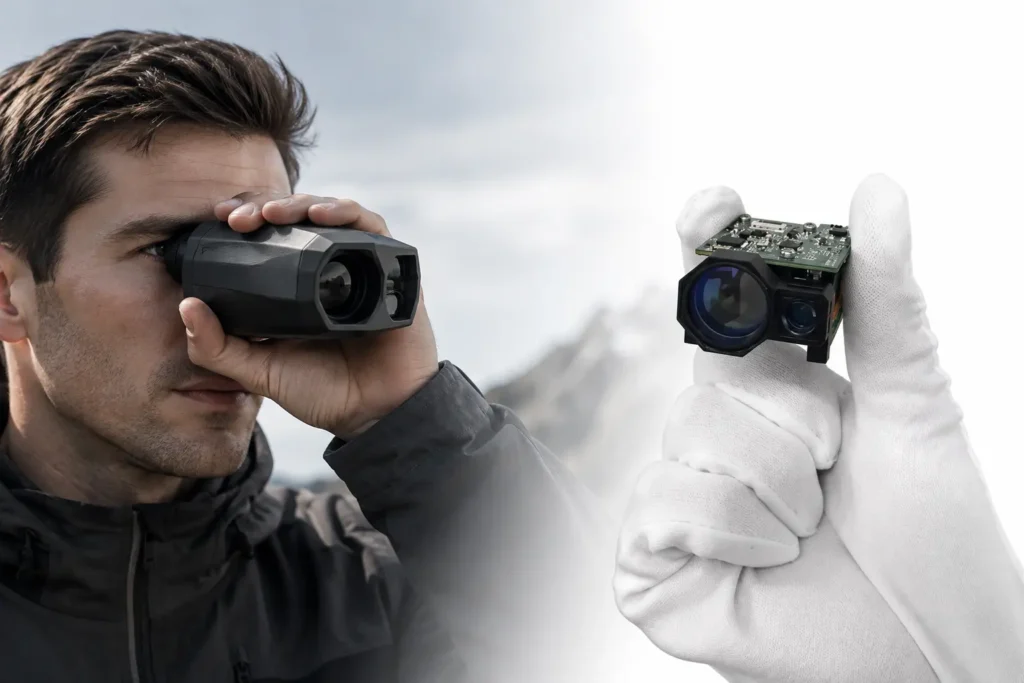
توجد الفئتان 1M و2M لأن المناظير ونظارات البندقية والمجاهر تجمع ضوءًا أكثر بكثير من حدقة العين البشرية. إذا كان من المحتمل أن يُنظر إلى منتجك من خلال البصريات — أي شيء يُستخدم في الهواء الطلق، أو على مركبة، أو في دور توجيه ميداني — فإن فئتي M هما ما يجب التفكير فيهما.
لماذا يغيّر طول موجة 1535 نانومتر المحادثة الكاملة حول السلامة
الطول الموجي هو القرار الأمني الأعلى تأثيرًا المتاح لمصمم النظام، ويُتخذ في وقت متأخر جدًا في معظم البرامج.
بين حوالي 400 نانومتر و1400 نانومتر، تتصرف العين مثل نظام بصري مصحح جيدًا. يمر الضوء في هذا النطاق عبر القرنية والعدسة والجسم الزجاجي ويُركَّز على الشبكية، مركّزًا الطاقة بعامل عدة آلاف في بقعة لا يتجاوز عرضها بضعة ميكرومترات. هذه هي منطقة خطر الشبكية. كمية متواضعة من الطاقة عند القرنية تصبح إشعاعًا مدمرًا عند الشبكية، وتلف الشبكية دائم — لا توجد آلية إصلاح للمستقبلات الضوئية.
فوق حوالي 1400 نانومتر، تتغير الفيزياء. يزداد امتصاص الماء في القرنية والخلط المائي بشكل حاد، ويُمتص الإشعاع في الجزء الأمامي من العين قبل أن يصل إلى الشبكية. الضرر عند هذه الأطوال الموجية، إذا حدث على الإطلاق، يحدث على سطح القرنية، حيث تتجدد الأنسجة وحيث يكون الحد الأقصى للتعرض المسموح أكثر تسامحًا بمراتب عدة.
هذا هو الأساس الكامل لتصميم الليزر “الآمن للعين”. إنه ليس لغة تسويقية. إنه تحول في مكان هبوط الطاقة.
بالنسبة لأجهزة قياس المدى وLiDAR، ينتج عن هذا تسلسل هرمي عملي واضح:
905 نانومتر يقع في عمق منطقة خطر الشبكية. إنه غير مكلف، ويعمل مع كاشفات السيليكون، ويمكن هندسته ليكون من الفئة 1 — ولكن فقط عن طريق إبقاء طاقة النبض منخفضة، مما يحد من المدى ويضر بالأداء في المطر والضباب والشمس الساطعة.
1064 نانومتر هو أيضًا خطر على الشبكية، وغير مرئي، وهو مزيج سيئ لأي شيء محمول باليد أو منتشر ميدانيًا. يظل شائعًا في التصاميم ذات الحالة الصلبة المضخوخة حيث يبرر التطبيق الضوابط.
1535 نانومتر و1570 نانومتر يتجاوزان منطقة خطر الشبكية تمامًا. التعرض المسموح أعلى بشكل كبير، لذا يمكن للمصمم دفع طاقة نبض أكبر بكثير عبر المسافة مع البقاء ضمن الفئة 1. لهذا تتقارب أجهزة قياس المدى بعيدة المدى ومقاييس الارتفاع للطائرات بدون طيار وLiDAR الآمن للعين على بنى إربيوم-زجاج وألياف 1.5 ميكرومتر. تشتري المدى والاختراق الجوي بهامش أمان لن تحصل عليه بطريقة أخرى.
التكلفة الهندسية حقيقية: 1535 نانومتر يتطلب كاشفات InGaAs بدلاً من السيليكون، وهي أكثر تكلفة وأكثر ضوضاءً. هذه المقايضة — تكلفة الكاشف مقابل المدى وفئة السلامة وقابلية النشر — هي القرار الفعلي، ومن الجدير اتخاذها بوعي بدلاً من الافتراضي. يعمل فريقنا من خلال هذا التحليل بالضبط مع المدمجين الذين يحددون مصادر ليزر آمنة للعين لقياس المدى, ، لأن اختيار الطول الموجي يتسلسل إلى اختيار الكاشف والميزانية الحرارية ومسار الامتثال بأكمله.
MPE، وNOHD، والأرقام التي سيطلبها مسؤول السلامة لدى عميلك
ثلاث قيم محسوبة تتبع منتج الليزر في كل نشر جاد. إذا كنت تورد وحدات لمدمجي الدفاع أو الطيران أو الصناعة، فتوقع أن يُطلب منك البيانات وراء الثلاثة جميعًا.
MPE (الحد الأقصى للتعرض المسموح) هو مستوى التعرض الذي لا يُتوقع تحته حدوث إصابة، معبرًا عنه بالإشعاعية (واط/سم²) أو التعرض الإشعاعي (جول/سم²). يختلف مع الطول الموجي ومدة التعرض وبنية النبض. يوضحه معيار ANSI Z136.1. بالنسبة لليزر النبضي المتكرر، يكون الحساب معقدًا حقًا — معايير النبضة الواحدة ومتوسط الطاقة والنبضات المتعددة كلها يجب تقييمها، والأكثر تقييدًا هو الذي يحكم. هذا هو المكان الذي تخطئ فيه الكثير من جداول البيانات محلية الصنع بصمت.
NOHD (مسافة الخطر البصري الاسمي) هي المسافة على طول الشعاع التي ينخفض بعدها الإشعاع إلى ما دون MPE. بعد NOHD، يكون المشاهدة غير المحمية مقبولة. إنها مدفوعة بطاقة الخرج وتباعد الشعاع — ولهذا يمكن لشعاع منخفض الطاقة ومتوازي بإحكام أن يحمل NOHD أطول من شعاع أعلى طاقة ومتباعد. بالنسبة للأنظمة المحمولة جواً والمثبتة على المركبات، غالبًا ما يحدد NOHD القيود التشغيلية أكثر من الفئة نفسها.
NHZ (منطقة الخطر الاسمية) يوسع الفكرة إلى ثلاثة أبعاد، مع مراعاة الانعكاسات المرآوية والمنتشرة. يحدد مسؤول سلامة الليزر NHZ لمنشأة ويضع الضوابط التي تنطبق داخلها.
التسلسل الهرمي للضوابط الذي يتبع ذلك هو منطق السلامة المهنية القياسي، مطبقًا على الفوتونات. تأتي الضوابط الهندسية أولاً: العبوات، ومصدات الشعاع، والأقفال المتشابكة، والمصاريع، ومنافذ العرض المفلترة. هذه مفضلة لأنها تعمل دون الاعتماد على السلوك البشري، ويمكنها تقليل نظام من الفئة 4 إلى الفئة 1 عند موضع المشغل. تأتي الضوابط الإدارية ثانيًا: الإجراءات المكتوبة، وبروتوكولات المحاذاة، والتدريب، وتقييد الوصول، واللافتات التحذيرية. تأتي معدات الحماية الشخصية — نظارات بالكثافة البصرية الصحيحة للطول الموجي المحدد — أخيرًا، لأنها تحمي فقط الشخص الذي يرتديها بشكل صحيح في تلك اللحظة.
تحذير واحد بخصوص النظارات الواقية. الكثافة البصرية خاصة بطول الموجة. النظارات المخصصة لـ 1064 نانومتر قد توفر حماية شبه معدومة عند 1535 نانومتر. المختبرات متعددة الأطوال الموجية تحتاج نظارات مطابقة لكل مصدر موجود، ويجب على مسؤول السلامة الليزرية التحقق من الكثافة البصرية مقابل التعرض الفعلي الأسوأ وليس القدرة الاسمية.
ما يفعله الموردون الجيدون قبل أن يصل إليك الموديول
تصنيف السلامة موثوق فقط إذا كان الانبعاث مستقرًا — عبر الوحدات، وعبر درجات الحرارة، وعبر عمر المنتج. الوحدة التي تلبي الفئة 1 عند 25 درجة مئوية في اليوم الأول، ثم تنحرف صعودًا في طاقة النبض عند −20 درجة مئوية أو بعد 2000 ساعة، لم تكن أبدًا منتجًا من الفئة 1 حقًا. كانت قياسًا من الفئة 1.
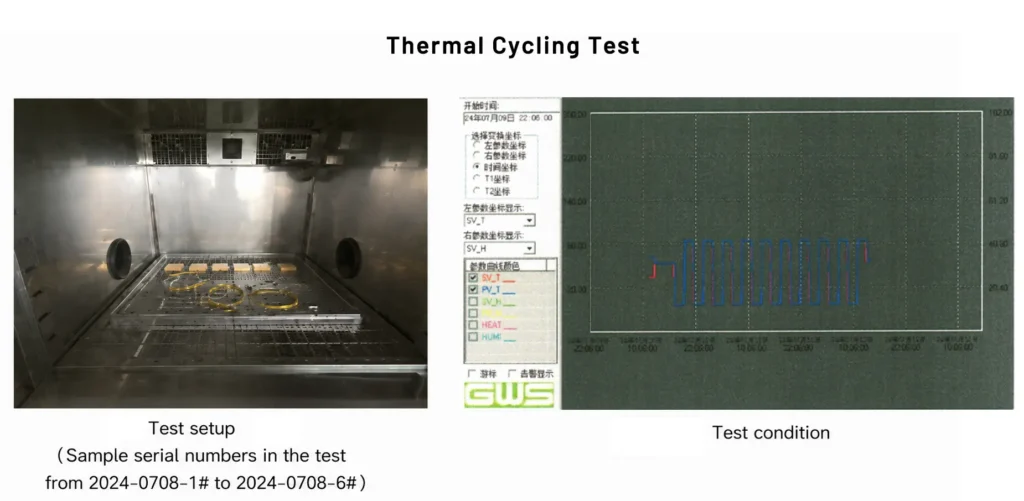
لهذا السبب، انضباط التصنيع هو قضية سلامة وليس مجرد قضية جودة. في مسارنا الخاص، تمر كل وحدة عبر فحص الوارد، واختبار الشريحة، وتجميع الرقاقة والركيزة، وربط الألياف ومحاذاتها، والإغلاق المحكم باللحام المتوازي، وفحص الاحتراق والشيخوخة، واختبار الأداء النهائي. فحص الاحتراق موجود تحديدًا لاكتشاف الأعطال المبكرة قبل الشحن. التدوير الحراري العالي/المنخفض يتحقق من نافذة التشغيل الكاملة بدلاً من نقطة مريحة واحدة فيها. الإغلاق المحكم يحمي الباعث من تسرب الرطوبة الذي يغير الإخراج على مر السنين في الميدان.
عند تقييم مورد مصادر الليزر، الأسئلة الجديرة بالطرح ملموسة. ما هو التباين بين الوحدات في طاقة النبض، وهل هو مواصفة أم قيمة نموذجية؟ كيف يبدو الانبعاث عند أقصى درجات الحرارة، وليس فقط عند درجة الحرارة المحيطة؟ هل تم فحص الاحتراق لكل وحدة أم لعينة فقط؟ هل يمكنك رؤية بيانات الاختبار للوحدة المسلسلة التي استلمتها؟ هل هناك وثائق مطابقة CE وRoHS، وهل يمكن للمورد دعم اختبار التصنيف الخاص بك بقياسات انبعاث حقيقية؟
المورد الذي ساعد العملاء في التصنيف من قبل سيجيب على هذه الأسئلة مباشرة. من لم يفعل سيرسل لك ورقة بيانات بقيم نموذجية ويأمل ألا تتابع. يمكنك قراءة المزيد حول كيفية تعاملنا مع تصميم الليزر والتأهيل, ، ونفس المنطق يوجه اختيار المصدر وراء أعمال LiDAR والخرائط ثلاثية الأبعاد لدينا.
أخطاء شائعة تستحق تجنبها
تصنيف الوحدة بدلاً من النظام. فئة منتجك النهائي تعتمد على الغلاف والبصريات ومسار الشعاع حول الوحدة، وليس الباعث العاري. صنّف ما يمكن للمستخدم الوصول إليه.
افتراض أن آمن للعين يعني آمن. مصدر 1535 نانومتر أكثر تسامحًا بكثير مع التعرض البصري، لكن القدرة القصوى العالية لا تزال قادرة على إتلاف القرنية والجلد، وستظل تشعل المواد عند إشعاع كافٍ. “آمن للعين” يصف منطقة طول موجي، وليس مناعة.
الاختبار فقط في الظروف الاسمية. قياس التصنيف يجب أن يغطي الانبعاث الذي يمكنك إنتاجه فعليًا، بما في ذلك ظروف الخطأ الفردي. فشل دائرة القيادة الذي يضاعف طاقة النبض هو خطأ متوقع، والمعيار يتوقع منك أن تكون قد أخذته في الاعتبار.
تجاهل البصريات المجمعة. إذا كان نظامك سيُستخدم بالقرب من مناظير أو تلسكوبات أو كاميرات، قيّم ظروف الفئة M بصدق.
ترك التصنيف حتى النهاية. كل بند أعلاه رخيص لمعالجته أثناء التصميم المعماري ومكلف لتركيبه بعد الالتزام بالأدوات.
الأسئلة الشائعة
هل IEC 60825-1 أم ANSI Z136.1 هو المعيار الذي أحتاج للامتثال له؟
كلاهما، عادة لأسباب مختلفة. IEC 60825-1 يصنف ويسمي المنتج الذي تصنعه وتبيعه. ANSI Z136.1 يحكم كيفية استخدام هذا الليزر بأمان في منشأة أمريكية. البيع في الولايات المتحدة يتطلب أيضًا الامتثال لـ FDA 21 CFR Part 1040.
هل يمكن أن يكون الليزر عالي القدرة من الفئة 1؟
نعم. يعتمد التصنيف على الانبعاثات التي يمكن الوصول إليها، وليس الطاقة الداخلية. الليزر متعدد الواطات المغلق بالكامل مع ألواح وصول مترابطة يُعد عادةً منتجًا من الفئة 1، لأنه لا يصل أي إشعاع خطير إلى المستخدم في ظل التشغيل العادي أو الأعطال المتوقعة.
لماذا يُطلق على 1535 نانومتر اسم "آمن للعين"؟
الأطوال الموجية التي تزيد عن حوالي 1400 نانومتر يتم امتصاصها بواسطة القرنية والخلط المائي قبل الوصول إلى الشبكية. نظرًا لأن الطاقة لا تركز أبدًا على المستقبلات الضوئية، فإن الحد الأقصى للتعرض المسموح به أعلى بكثير من 905 أو 1064 نانومتر، مما يسمح بطاقة نبضية أكبر ضمن الفئة 1.
ما الفرق بين MPE و AEL؟
MPE هو حد التعرض للشخص — مقدار الإشعاع الذي يمكن للأنسجة استقباله دون إصابة متوقعة. AEL هو حد الانبعاثات للمنتج — مقدار الإشعاع الذي يمكن الوصول إليه منه. يتم تعيين قيم AEL بحيث يبقي المنتج المتوافق المستخدمين دون حد MPE.
هل أحتاج إلى مسؤول سلامة الليزر؟
يتطلب معيار ANSI Z136.1 وجود LSO أينما تُستخدم ليزرات من الفئة 3B أو الفئة 4. بالنسبة لمنتجات الفئة 1 و1M و2 و2M، لا ينطبق هذا المطلب عمومًا، على الرغم من أن تعيين نقطة مسؤولية محددة يظل ممارسة جيدة.
هل تؤثر فئة الليزر على متطلبات التصدير أو الاستيراد؟
تؤثر الفئة على وضع العلامات والتوثيق والامتثال للوصول إلى السوق مثل علامة CE وتقارير FDA. ترخيص التصدير هو نظام منفصل يعتمد على الأداء والاستخدام النهائي، وليس على فئة السلامة وحدها.
تحديد مسألة السلامة في وقت مبكر
أرخص أعمال سلامة الليزر تحدث في مراجعة التصميم الأولى، عندما يكون الطول الموجي وطاقة النبضة والتباعد والإغلاق جميعها قابلة للتفاوض. بحلول الوقت الذي تقيس فيه الانبعاثات التي يمكن الوصول إليها على وحدة إنتاج، تكون خياراتك محصورة في الإغلاقات والملصقات.
إذا كنت تحدد مصدر ليزر وتريد معرفة الآثار المترتبة على التصنيف قبل الالتزام ببنية معمارية،, تحدث إلى مهندسينا — أرسل نطاقك وبيئتك وقيود منصتك، وسنعمل معك على دراسة المفاضلات بين الطول الموجي والسلامة.
المراجع
- اللجنة الكهروتقنية الدولية — IEC 60825-1:2014، سلامة منتجات الليزر، الجزء 1: تصنيف المعدات والمتطلبات
- مدونة ANSI — سلامة الليزر: الفئة 1 و1C و1M و2 و2M و3R و3B و4
- إدارة السلامة والصحة المهنية — مخاطر الليزر: المعايير
- لازرميت — ANSI Z136.1 مقابل IEC 60825: فهم الاختلافات في تصنيف الليزر