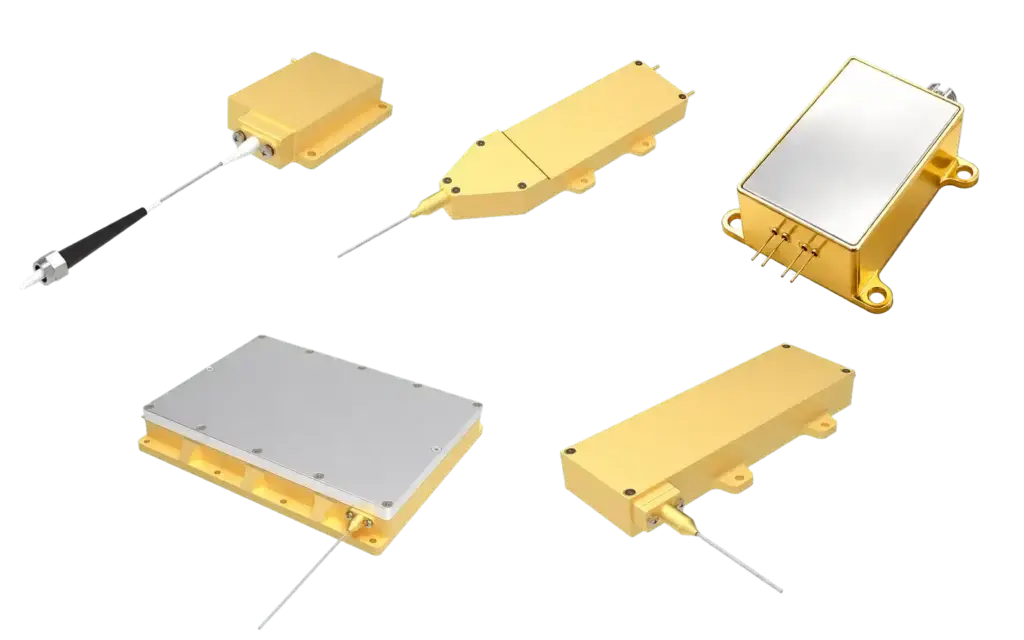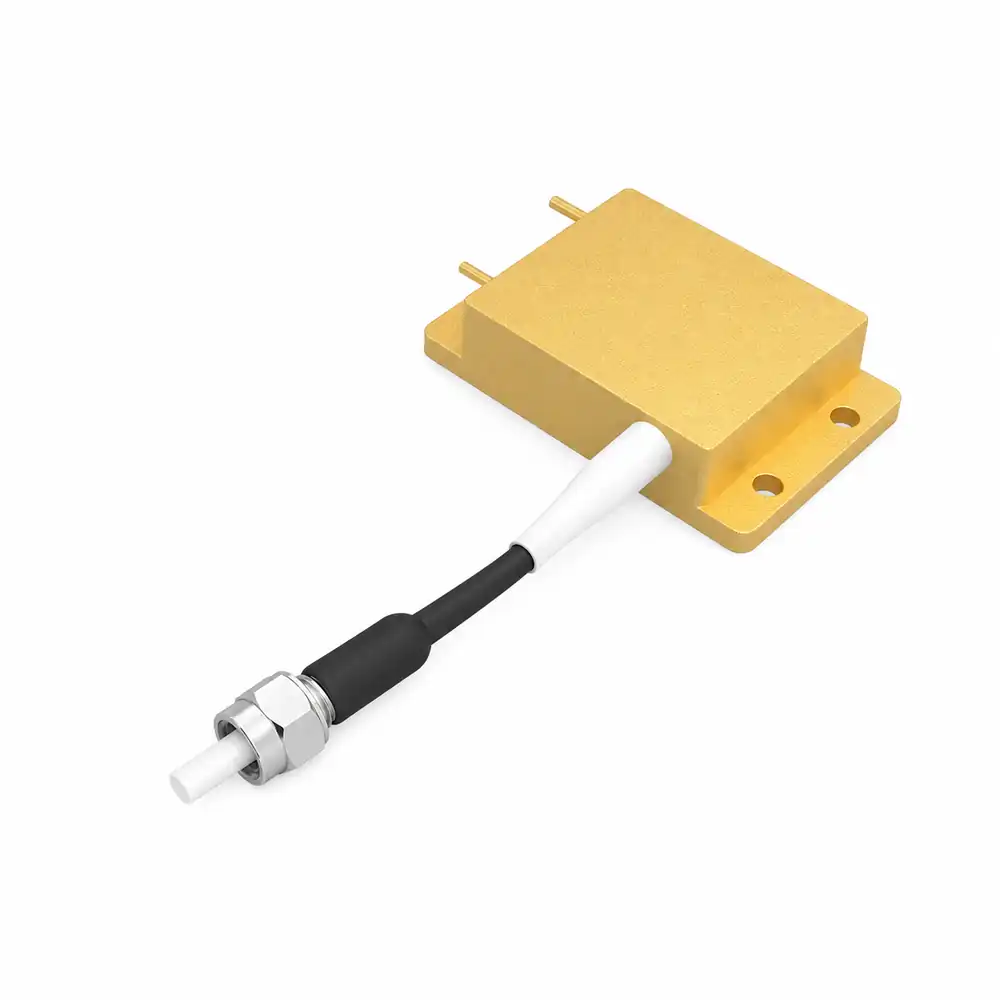
525-LXGX0003
Láser verde de 525 nm 3.2W
Núcleo de fibra de 50 µm con corriente de operación documentada de 2 A.
Núcleo: 50 µmCorriente: 2 A

Lumexis desarrolla y fabrica láseres acoplados a fibra en 525, 808, 885 y 976 nm, con clases de salida documentadas de 3.2 a 750 W. La gama incluye plataformas dedicadas de láser verde de 525 nm y fuentes de bombeo de infrarrojo cercano, con entrega documentada FC o SMA905, configuraciones seleccionadas de NA 0.22 y longitudes de fibra de hasta 2 m. Estas fuentes soportan bombeo láser industrial, visión artificial, inspección fotovoltaica, fluorescencia e instrumentos científicos, mientras que el soporte de ingeniería OEM conecta la longitud de onda y la potencia con la fibra, refrigeración, controlador y paquete requeridos.
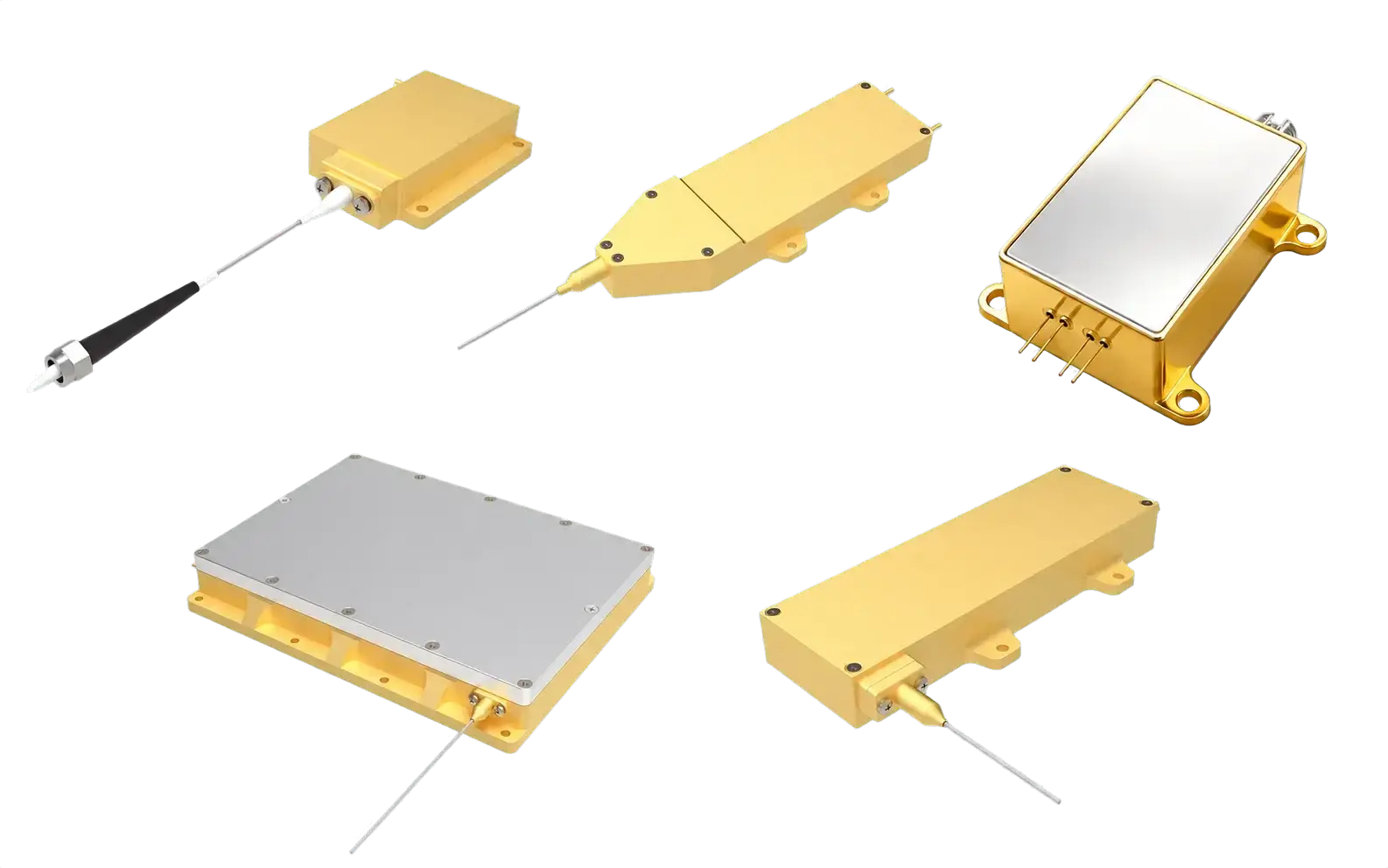
Resumen de la familia de productos
El paquete de fuente, la óptica de acoplamiento, el núcleo de fibra, la apertura numérica, el conector, la ruta térmica y el controlador eléctrico forman una cadena de entrega. Lumexis revisa estas interfaces juntas para que la salida óptica especificada en el módulo pueda usarse de manera predecible en el instrumento.
La longitud de onda se selecciona según el medio de bombeo, detector, muestra o objetivo de inspección. La clase de potencia se ajusta luego a la salida entregada requerida, ciclo de trabajo y margen térmico, en lugar de seleccionarse de forma aislada.
Familia de longitud de onda destacada
La familia de láser verde de 525 nm de Lumexis proporciona salida verde visible en siete clases de potencia documentadas de 3.2 a 70 W. Está separada de nuestros láseres acoplados a fibra de infrarrojo cercano porque la salida verde satisface una necesidad distinta de búsqueda e ingeniería: la longitud de onda puede mejorar el contraste visual, excitar materiales fluorescentes específicos y coincidir con instrumentos ópticos de rango visible.
La selección aún depende de más que el color o la potencia nominal. El tren óptico debe tener en cuenta el diámetro del núcleo de fibra, el formato del conector, la entrega del haz, la carga térmica, la electrónica de accionamiento y la respuesta del objetivo o muestra a 525 nm.
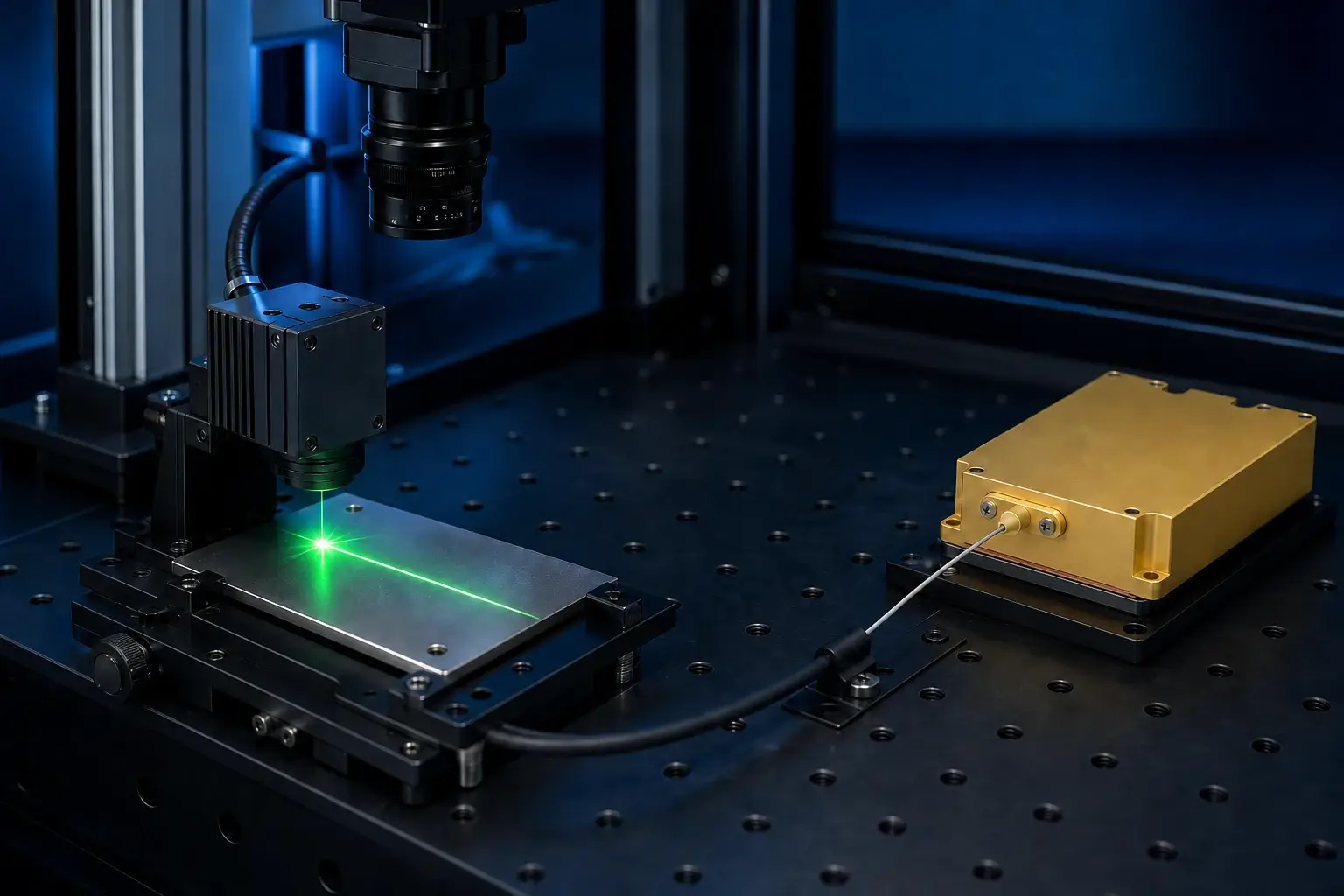 Verde visible de 525 nm
Gama completa de productos
Todos los modelos se muestran directamente a continuación. Comience con la longitud de onda y la potencia entregada, luego compare el núcleo de fibra, apertura numérica, conector, longitud de fibra, entrada eléctrica y requisitos de refrigeración antes del lanzamiento del diseño.
Salida verde visible / 3.2–70 W
525-LXGX0003
Núcleo de fibra de 50 µm con corriente de operación documentada de 2 A.
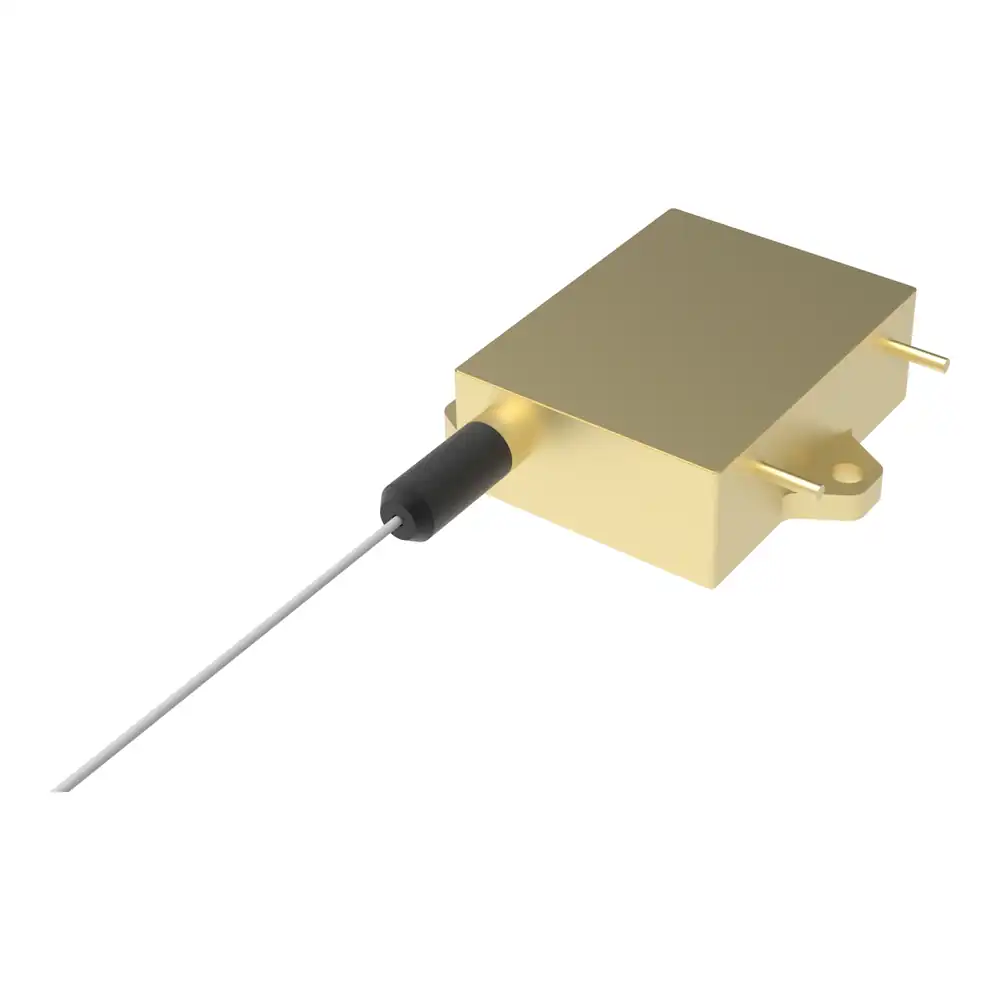
525-LXGX0004
Núcleo de fibra de 50 µm con corriente de operación documentada de 2 A.
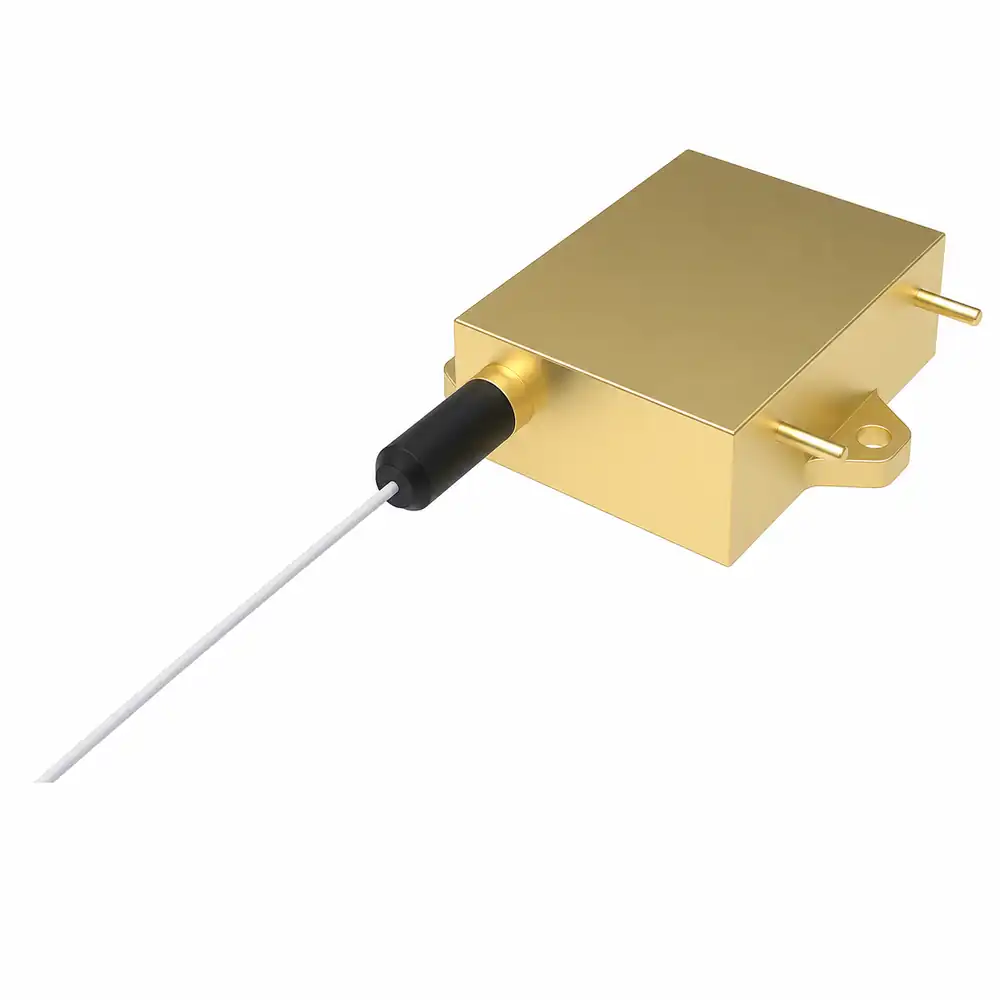
525-LXGX0005
Núcleo de fibra de 105 µm con corriente de operación documentada de 2 A.
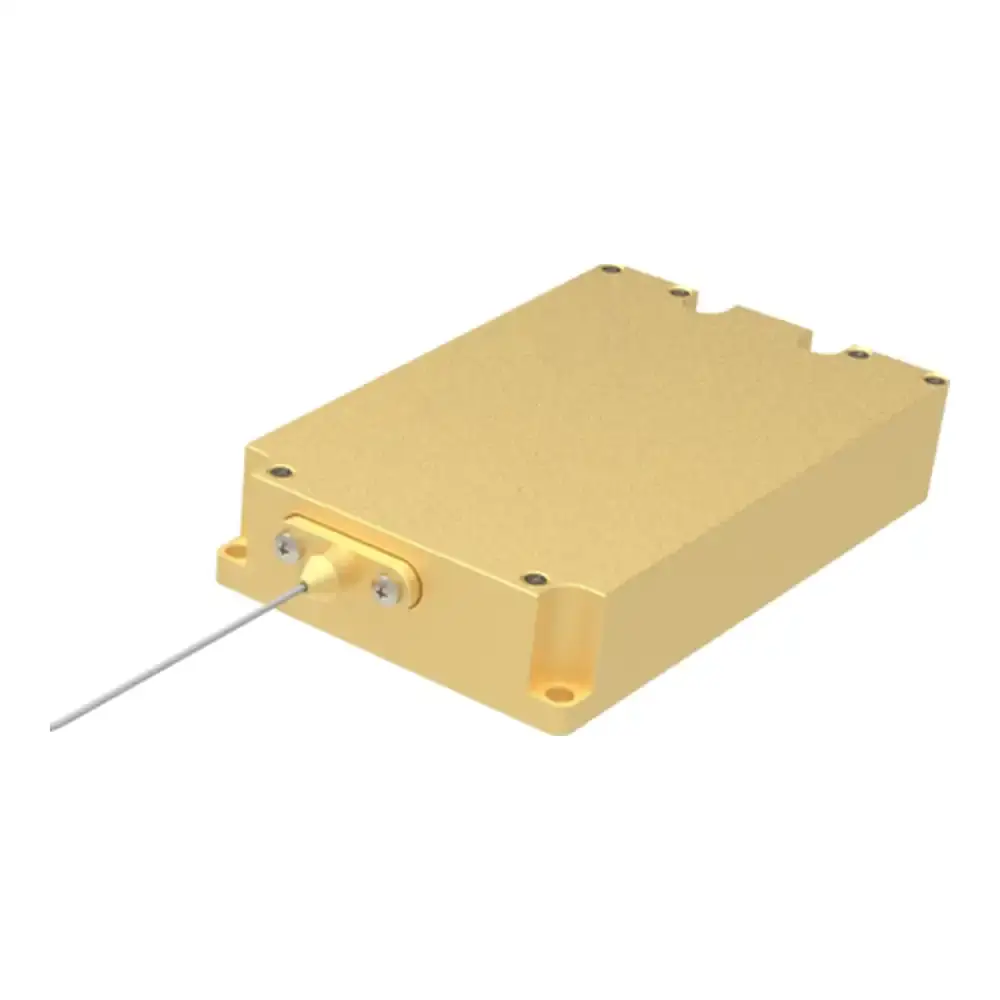
525-LXGX0015
Variantes de núcleo de fibra de 60 o 105 µm con operación documentada de 66 V, 2 A.
525-LXGX0020
Núcleo de fibra de 200 µm con operación documentada de 66 V, 2 A.
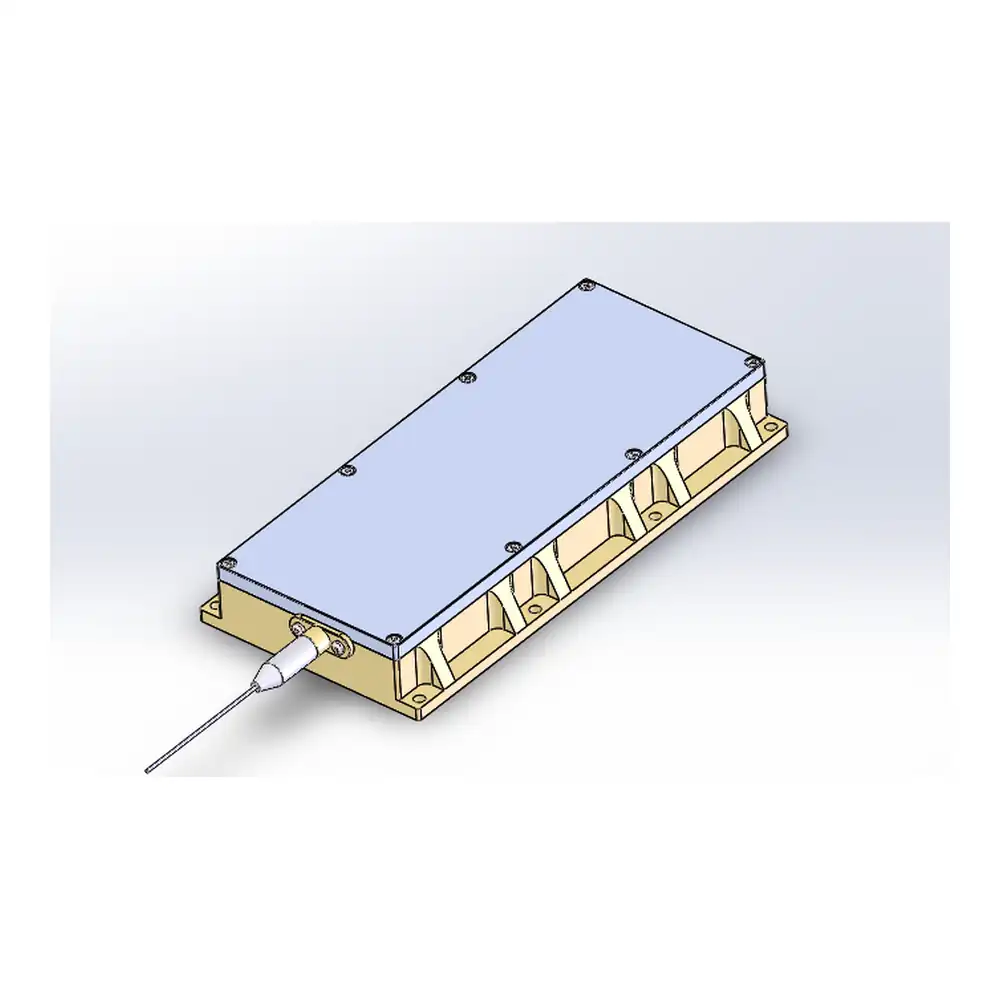
525-LXGX0035
Núcleo de fibra de 105 µm con corriente de operación documentada de 2–2.2 A.
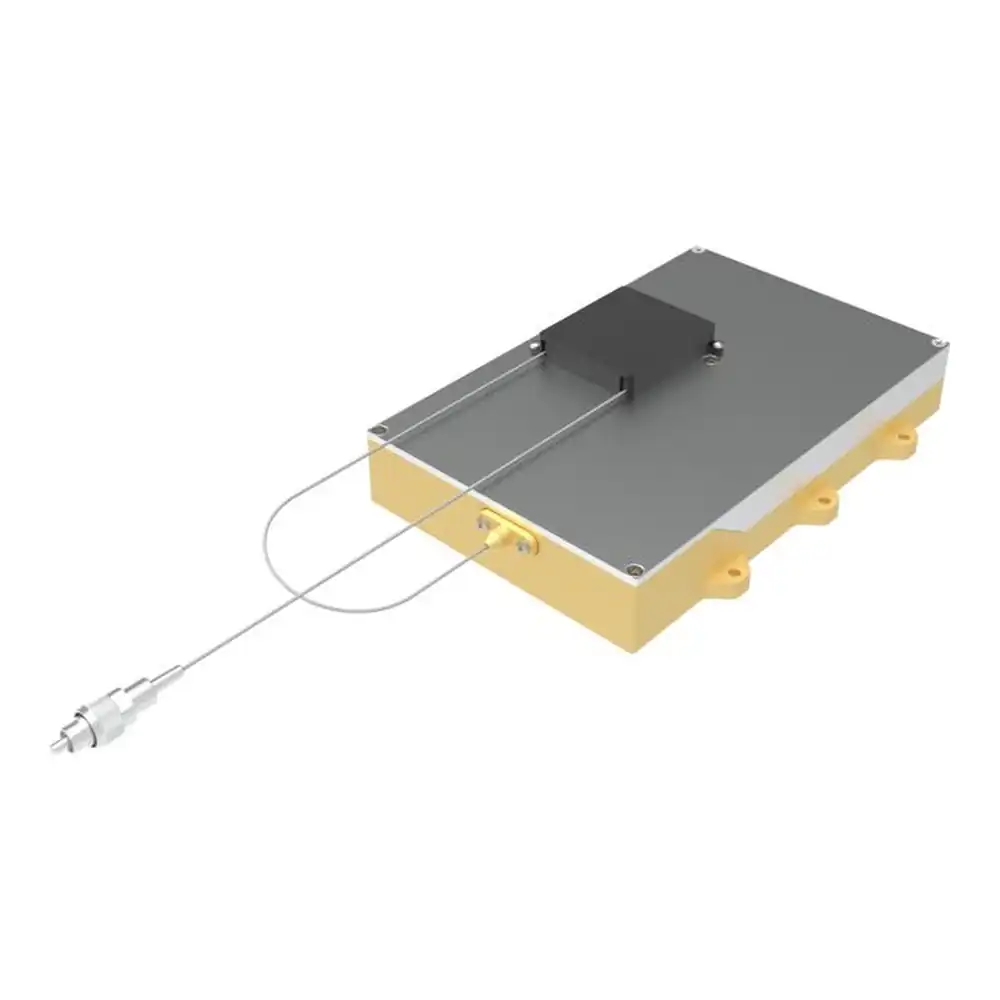
525-LXGX0070
Núcleo de fibra de 200 µm con operación documentada de 264 V, 2 A.
Bombeo industrial / 25–400 W
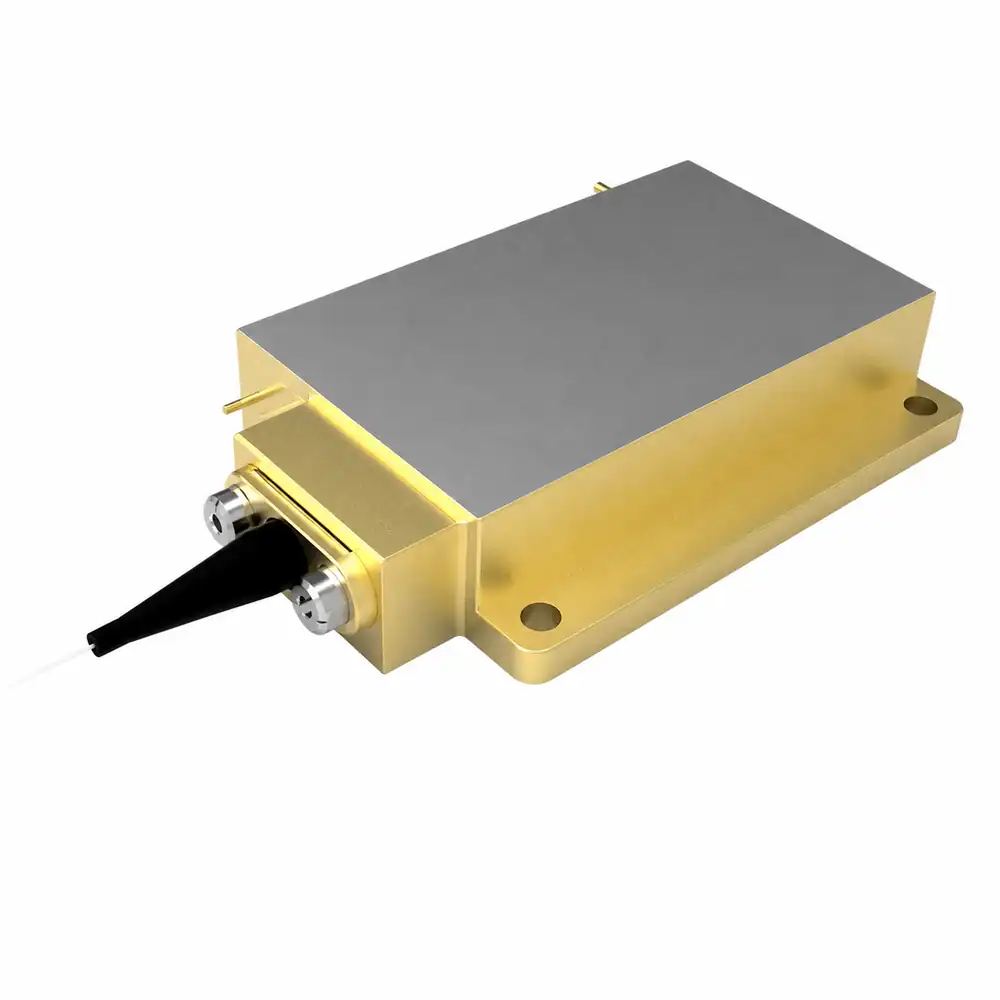
808-LXGX0025
Variantes de 105 o 200 µm con configuraciones eléctricas emparejadas.
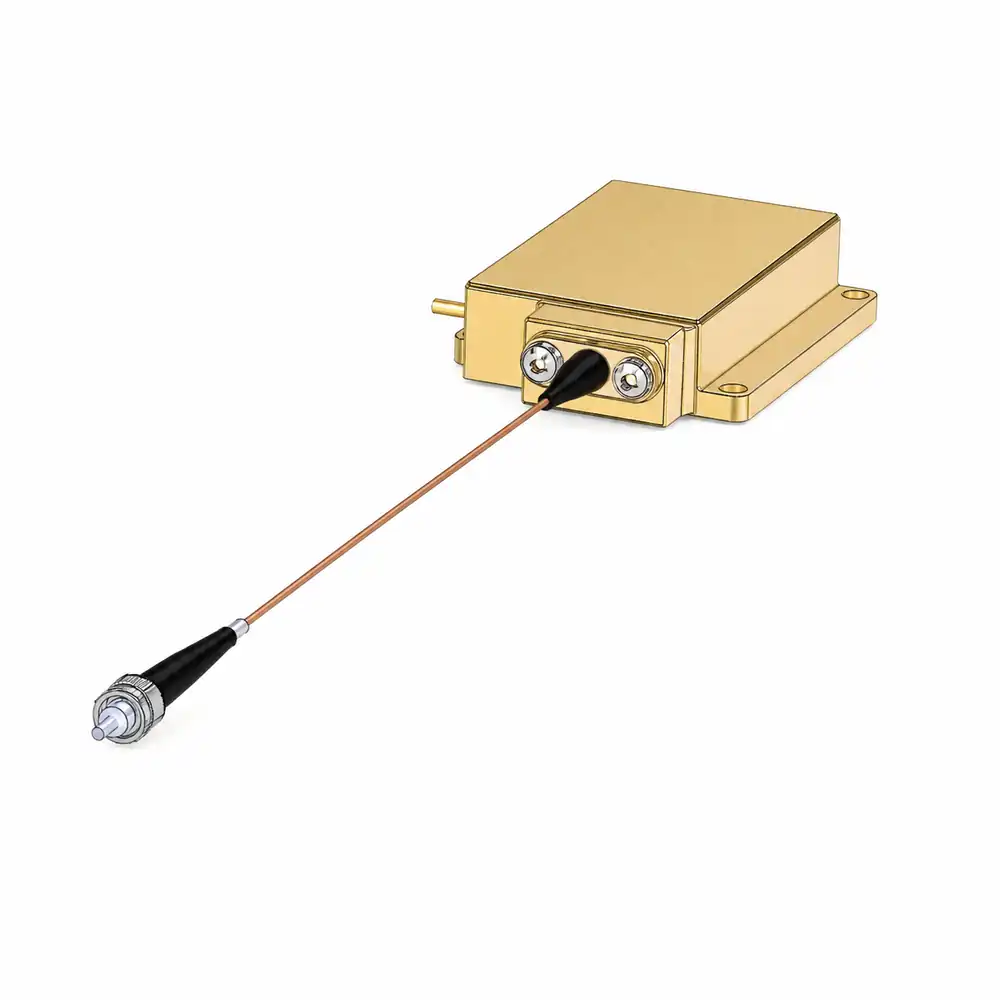
808-LXGX0050
Núcleo de fibra de 200 µm con operación documentada de 11–12 V, 10–11 A.
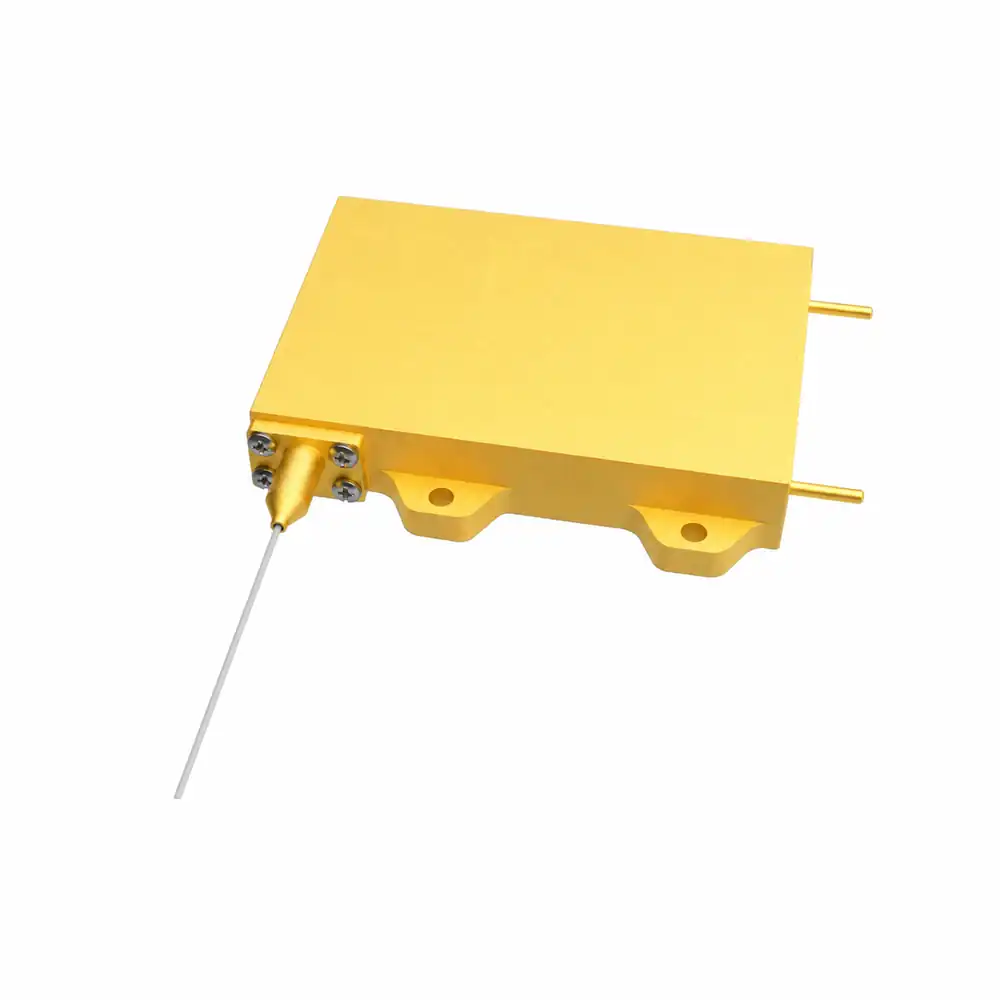
808-LXGX0150
Variantes de núcleo de fibra de 135 o 200 µm con el mismo rango eléctrico documentado.
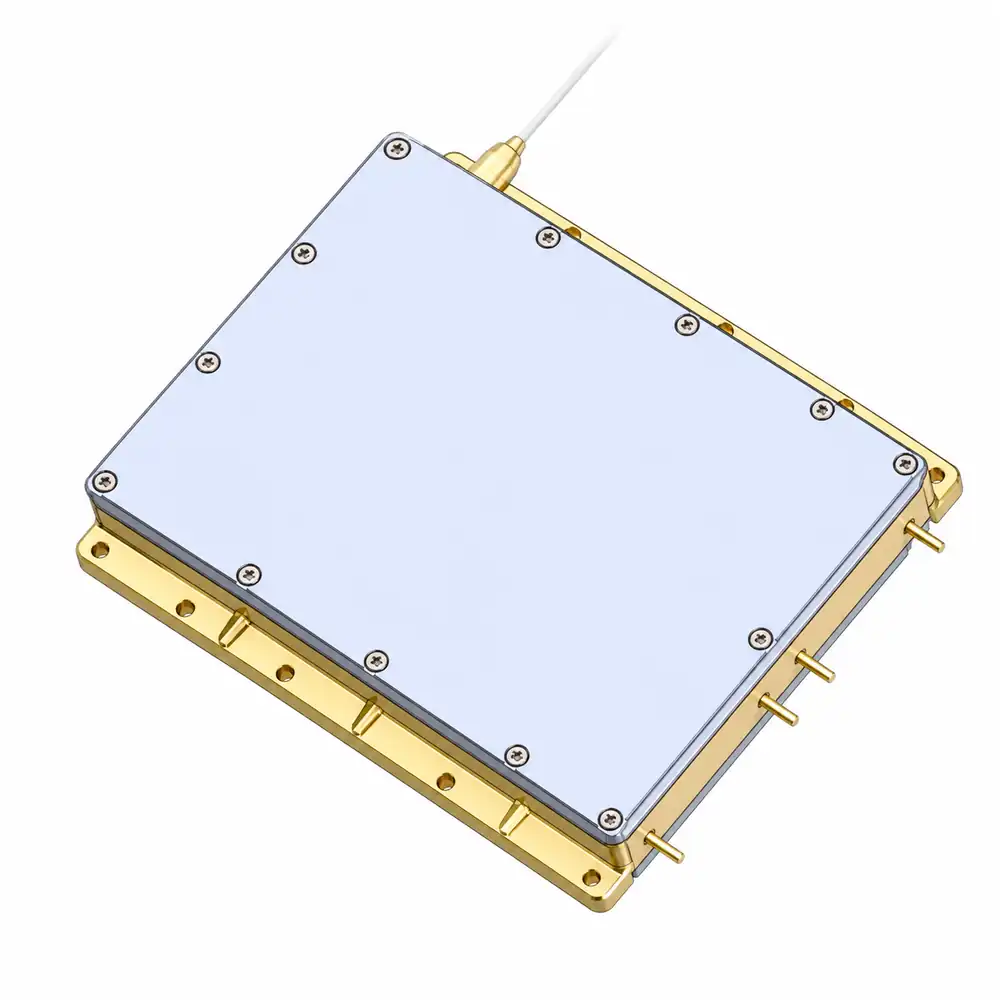
808-LXGX0400
Variantes de 200 o 400 µm con voltaje y corriente dependientes de la configuración.
Bombeo de espectro estrecho / 65–270 W
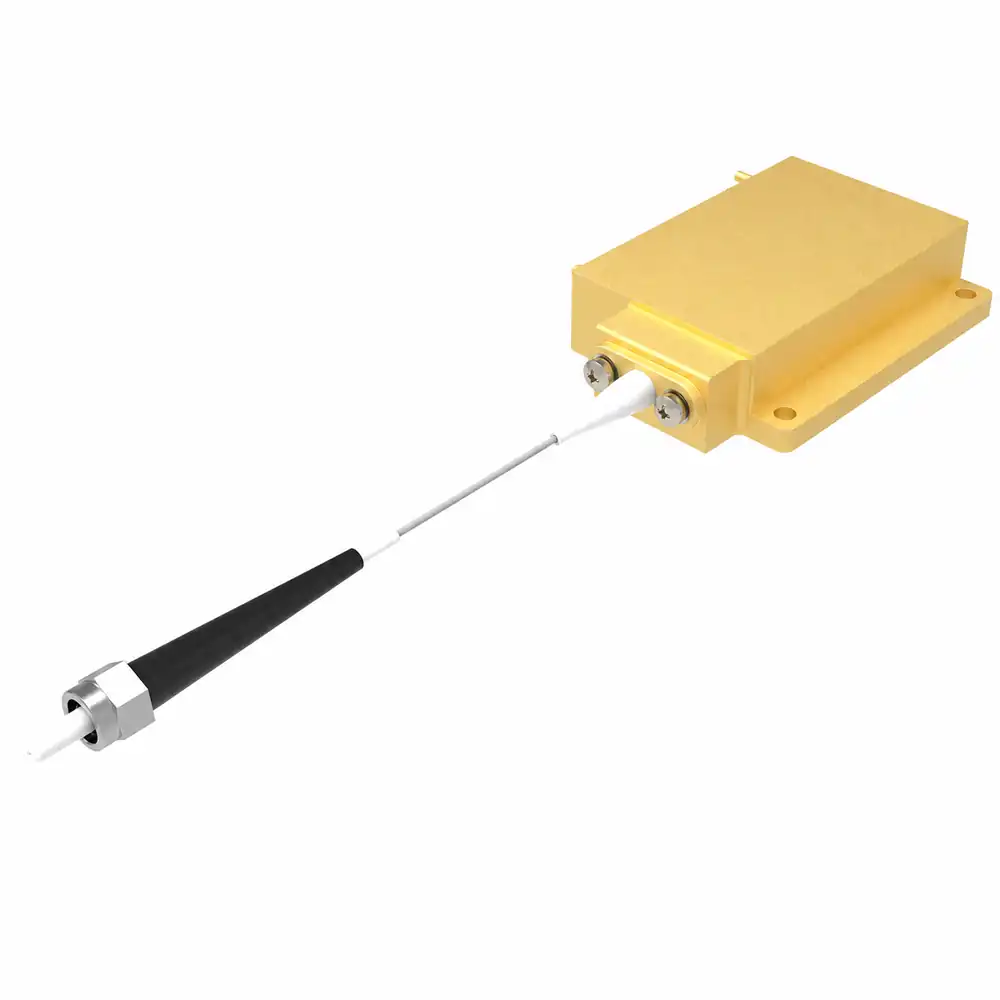
885-LXGX0065
Núcleo de fibra de 200 µm con operación documentada de 10–12 V, 13–14 A.
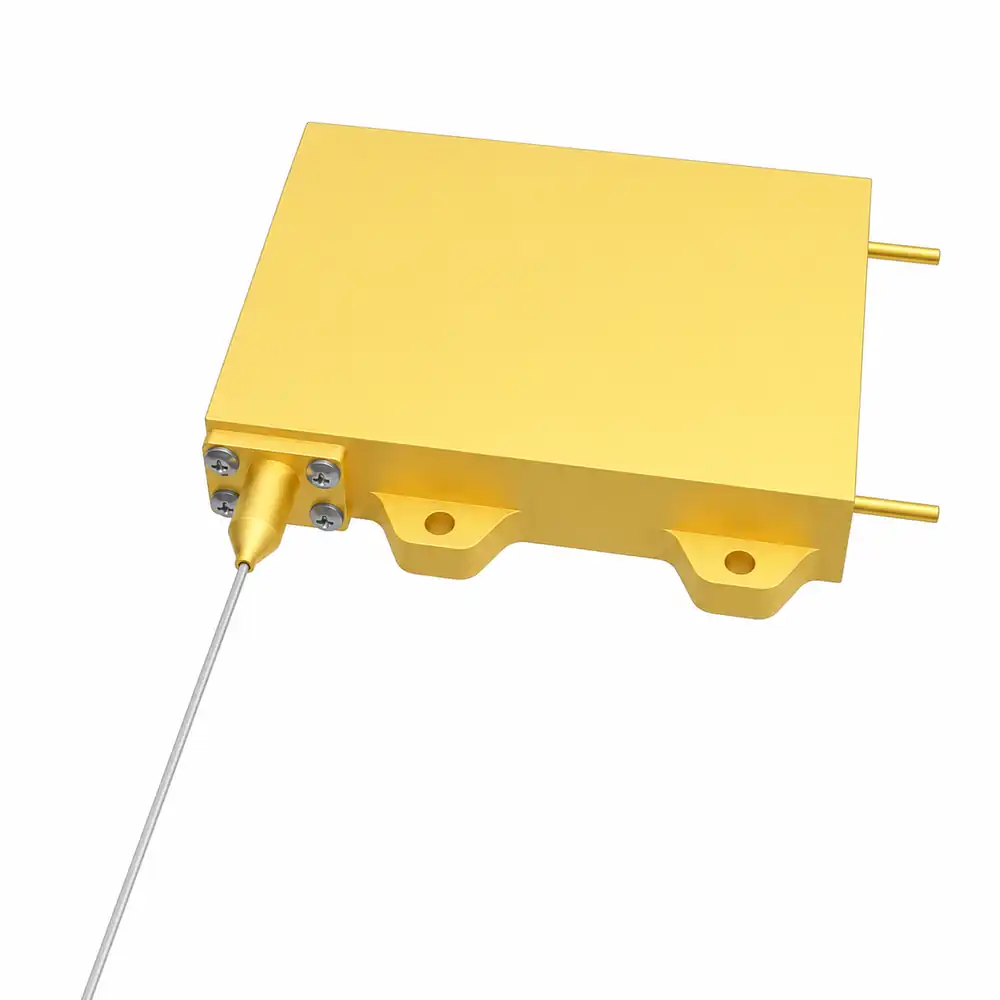
885-LXGX0120
Núcleo de fibra de 200 µm con operación documentada de 20–22 V, 13–14 A.
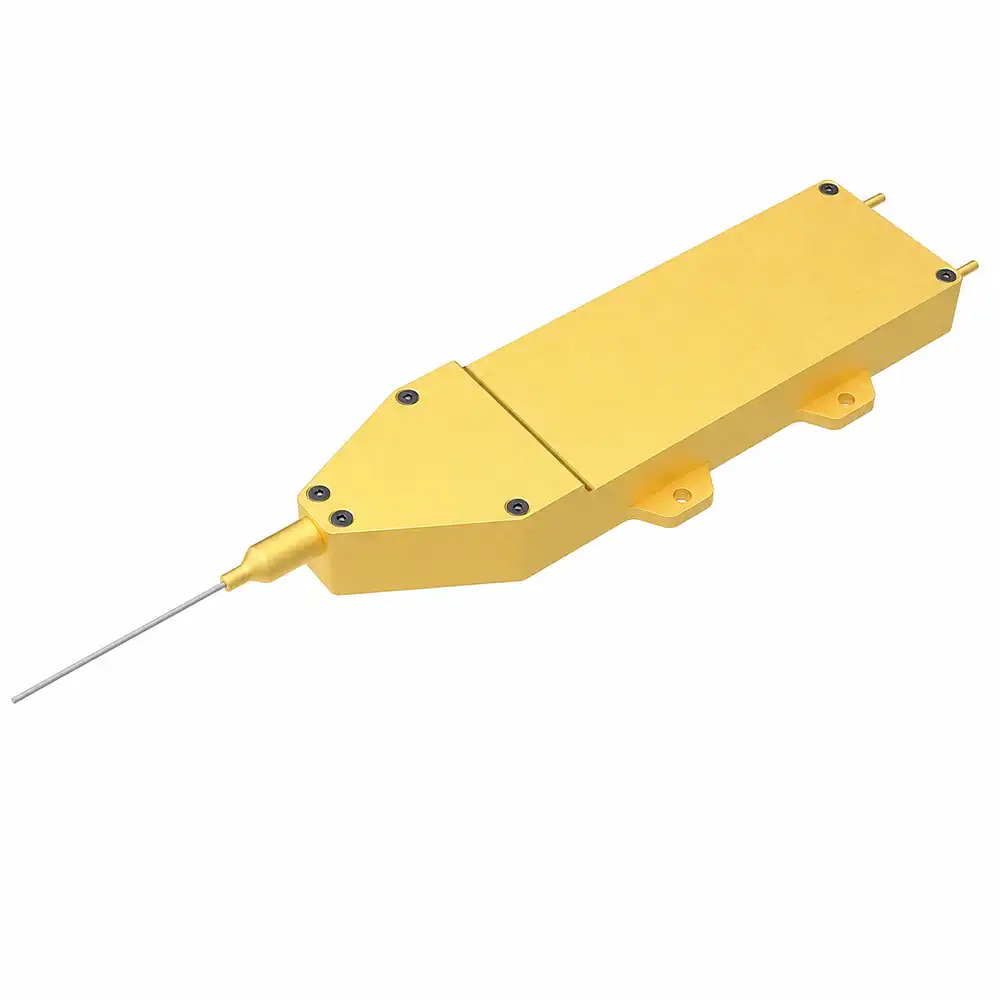
885-LXGX0270
Núcleo de fibra de 200 µm con operación documentada de 40.5–42 V, 13–14 A.
Bombeo de alta potencia / 120–750 W
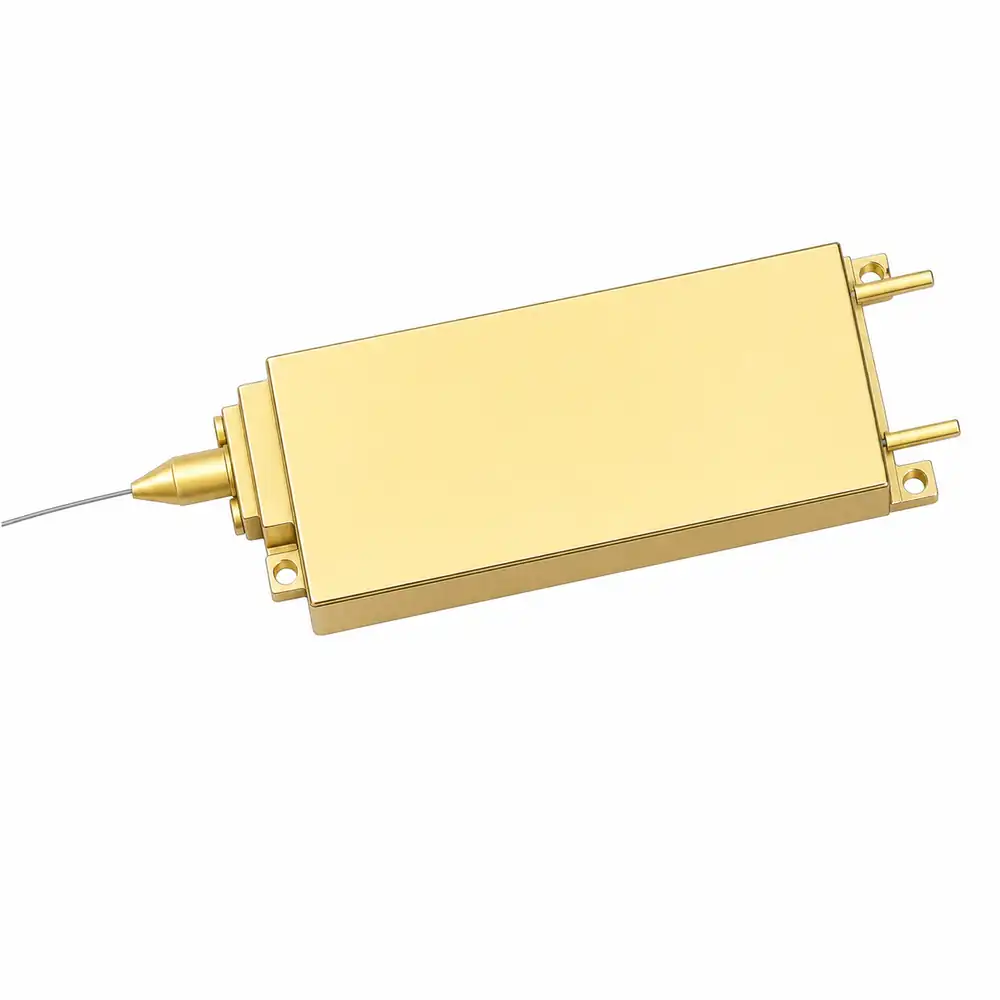
976-LXGX0120
Núcleo de fibra de 105 µm con operación documentada de 19.5 V, 14 A.
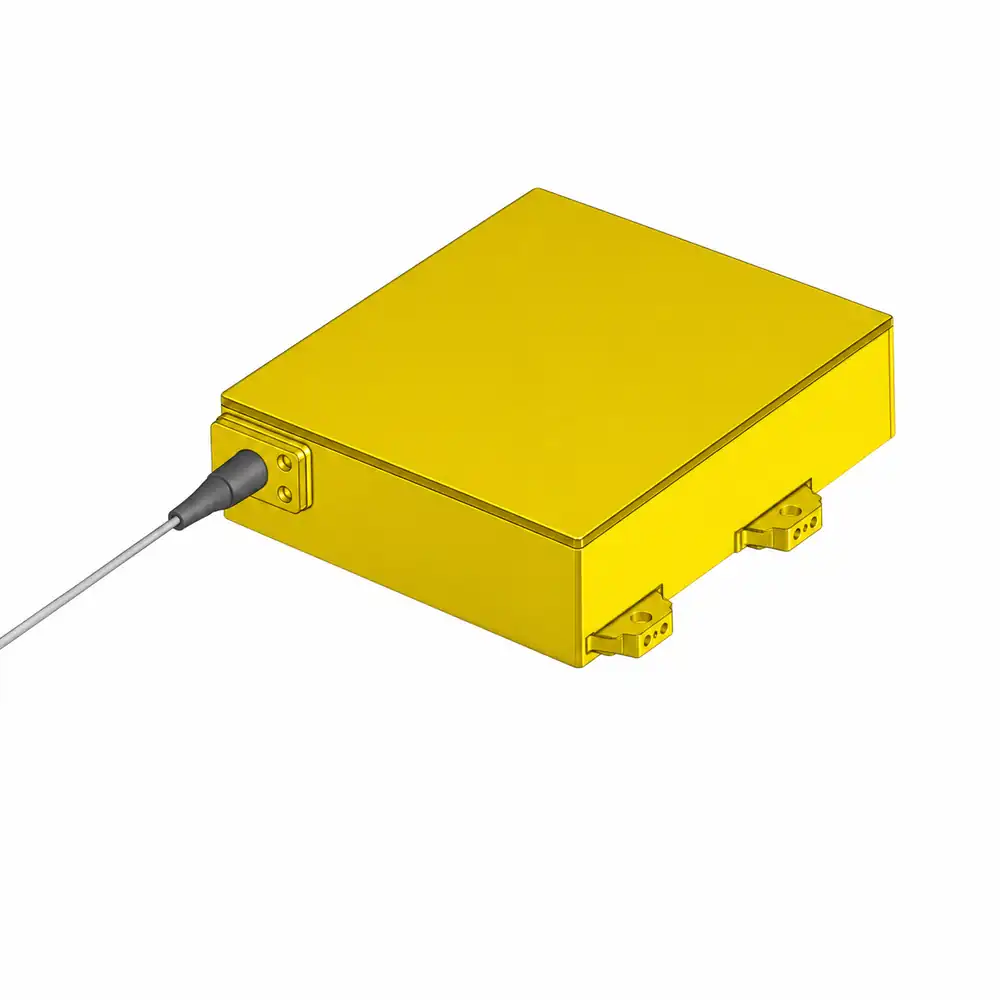
976-LXGX0140
Núcleo de fibra de 105 µm con operación documentada de 22.4–23.8 V, 13–14 A.
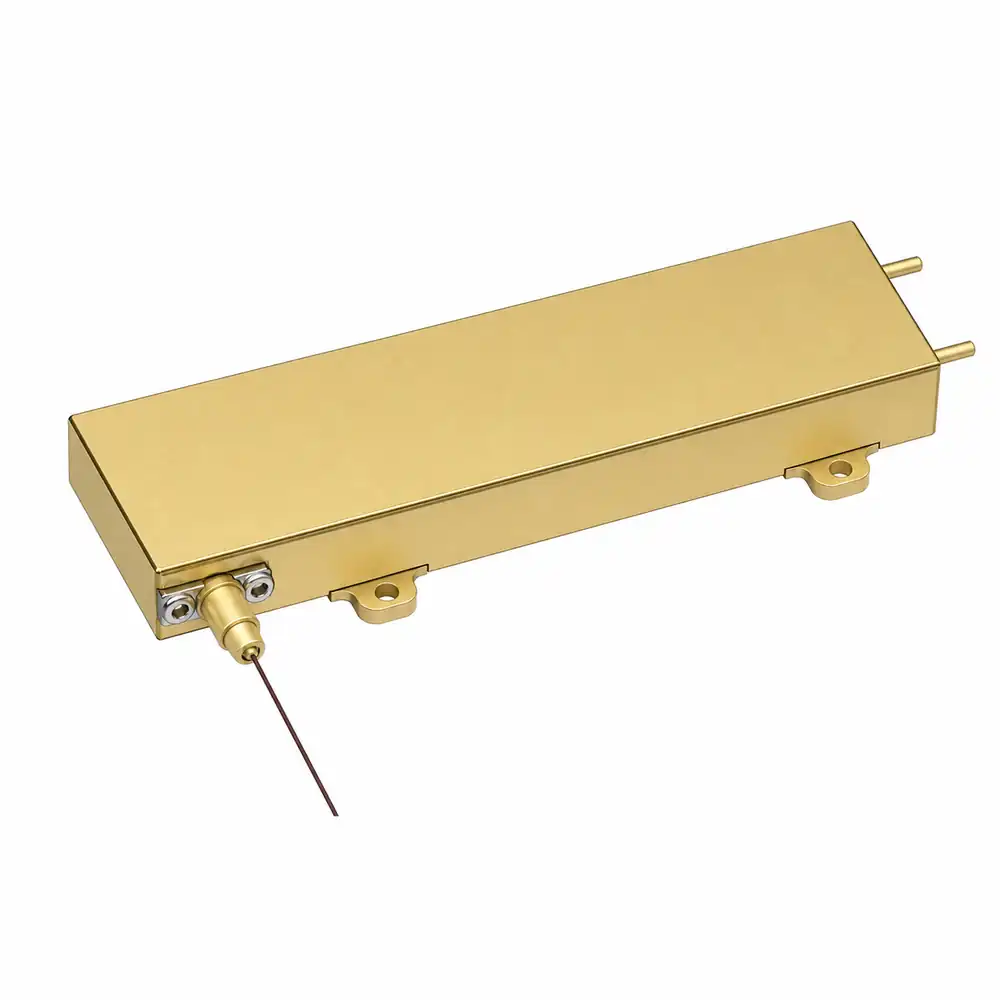
976-LXGX0260
Núcleo de fibra de 135 µm con operación documentada de 32 V, 17 A.
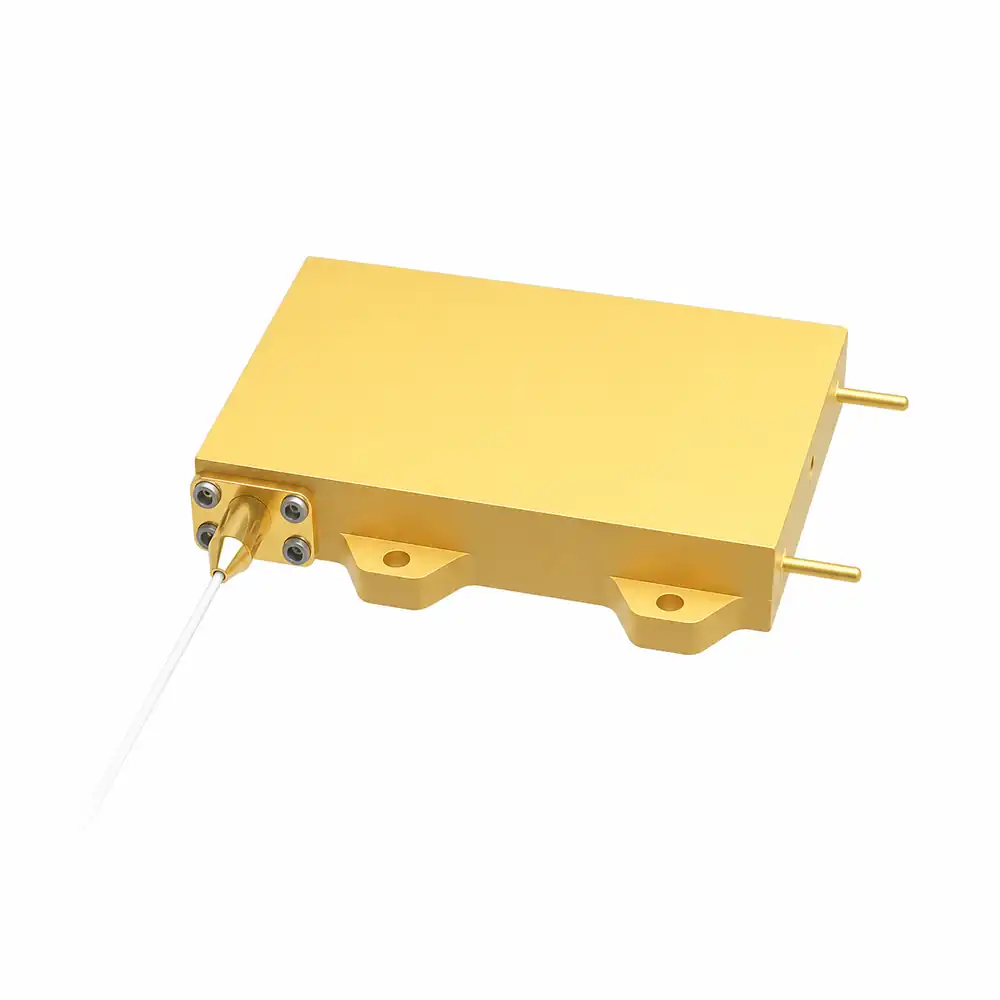
976-LXGX0280
Núcleo de fibra de 132 µm con operación documentada de 29–31 V, 18–20 A.
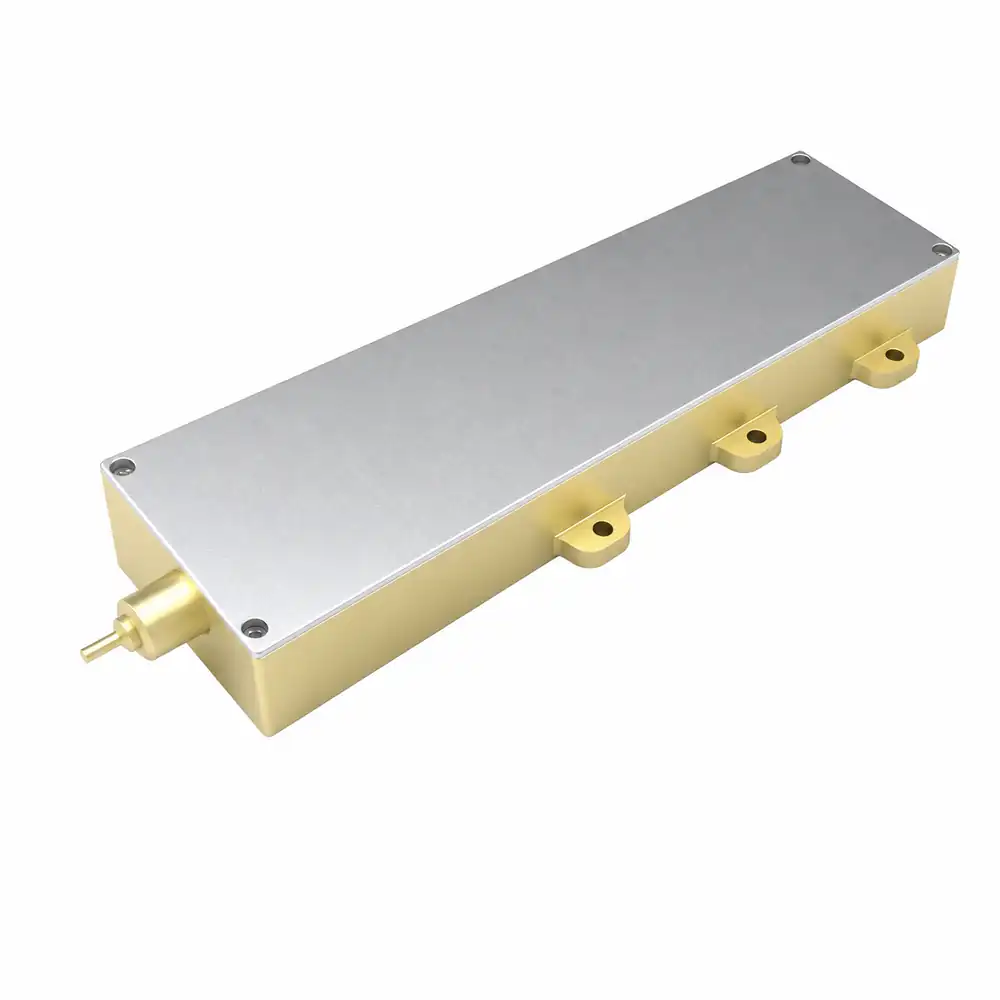
976-LXGX0750
Núcleo de fibra de 220 µm con operación documentada de 50–55 V, 30–32 A.
Vista de comparación única
Compare longitud de onda, salida óptica, diámetro del núcleo de la fibra, voltaje de operación y corriente de operación en una tabla. Los valores mostrados como rangos pueden representar variantes de configuración documentadas.
| Longitud de onda | Modelo | Salida | Núcleo de fibra | Voltaje de funcionamiento | Corriente de operación |
|---|---|---|---|---|---|
| Láser verde de 525 nm | 525-LXGX0003 | 2 W | 50 µm | — | 2 A |
| Láser verde de 525 nm | 525-LXGX0004 | 4 W | 50 µm | — | 2 A |
| Láser verde de 525 nm | 525-LXGX0005 | 5 W | 105 µm | — | 2 A |
| Láser verde de 525 nm | 525-LXGX0015 | 15 W | 60 / 105 µm | 66 V | 2 A |
| Láser verde de 525 nm | 525-LXGX0020 | 20 W | 200 µm | 66 V | 2 A |
| Láser verde de 525 nm | 525-LXGX0035 | 35 W | 105 µm | — | 2–2,2 A |
| Láser verde de 525 nm | 525-LXGX0070 | 70 W | 200 µm | 264 V | 2 A |
| 808 nm | 808-LXGX0025 | 25 W | 105 / 200 µm | 5–12.5 / 5.5–6 V | 6–7 / 10–11 A |
| 808 nm | 808-LXGX0050 | 50 W | 200 µm | 11–12 V | 10–11 A |
| 808 nm | 808-LXGX0150 | 150 W | 135 / 200 µm | 33–34 V | 10–11 A |
| 808 nm | 808-LXGX0400 | 400 W | 200 / 400 µm | 90–95 / 55–57 V | 10–12 / 16 A |
| 885 nm | 885-LXGX0065 | 65 W | 200 µm | 10–12 V | 13–14 A |
| 885 nm | 885-LXGX0120 | 120 W | 200 µm | 20–22 V | 13–14 A |
| 885 nm | 885-LXGX0270 | 270 W | 200 µm | 5–42 V | 13–14 A |
| 976 nm | 976-LXGX0120 | 120 W | 105 µm | 5 V | 14 A |
| 976 nm | 976-LXGX0140 | 140 W | 105 µm | 4–23.8 V | 13–14 A |
| 976 nm | 976-LXGX0260 | 260 W | 135 µm | 32 V | 17 A |
| 976 nm | 976-LXGX0280 | 280 W | 132 µm | 29–31 V | 18–20 A |
| 976 nm | 976-LXGX0750 | 750 W | 220 µm | 50–55 V | 30–32 A |
Un guion significa que el voltaje no está indicado en la fuente de la categoría revisada. Confirme todos los valores eléctricos y las combinaciones de variantes contra la especificación técnica específica del pedido antes del lanzamiento del diseño.
Conocimiento de selección técnica
La potencia nominal no es suficiente para definir el rendimiento del sistema. Estas seis verificaciones conectan la especificación del láser con la óptica, el objetivo y el instrumento anfitrión.
Seleccione 525, 808, 885 o 976 nm según el detector, el medio de bombeo, el material fluorescente o el objetivo de inspección, no solo por la potencia.
Considere la fibra y las pérdidas ópticas posteriores, el ciclo de trabajo operativo y el margen térmico al convertir la salida del módulo en potencia útil.
El diámetro del núcleo afecta el brillo, la tolerancia de acoplamiento y el punto posterior que el sistema óptico puede formar.
NA describe el rango de entrega angular y debe ser compatible con el colimador, la óptica de enfoque y la distancia de trabajo.
Las interfaces FC y SMA905 difieren mecánicamente. La elección del conector, la limpieza y el manejo de la cara final influyen en la entrega repetible.
El controlador, la superficie de montaje, el método de enfriamiento, la supervisión y los enclavamientos deben definirse para el punto de operación seleccionado.
Diseñado como una cadena de entrega
La salida útil se define por la ruta completa desde la emisión del diodo hasta la cara final de la fibra. Revisamos las interfaces ópticas, térmicas, eléctricas y mecánicas juntas para que la fuente seleccionada pueda integrarse y suministrarse de manera consistente.
Cada pedido se revisa en torno al sistema anfitrión, no se trata como un número de componente aislado.
Haga coincidir la longitud de onda, el ancho espectral, el núcleo de la fibra y la apertura numérica con la óptica posterior.
Diseñe el enfriamiento para la clase de potencia seleccionada, el rango ambiental y el ciclo de operación antes de la liberación del gabinete.
Dimensione el controlador, los enclavamientos y la supervisión en torno a los límites de corriente y voltaje específicos del pedido.
Congele el conector, el enrutamiento de la fibra, el montaje y los criterios de aceptación para construcciones de sistema repetibles.
Uso civil, industrial y científico
La idoneidad de la aplicación depende de la interacción específica de la longitud de onda, la potencia entregada y la arquitectura del instrumento completo. Se recomienda realizar pruebas con muestras representativas antes de la liberación del diseño.
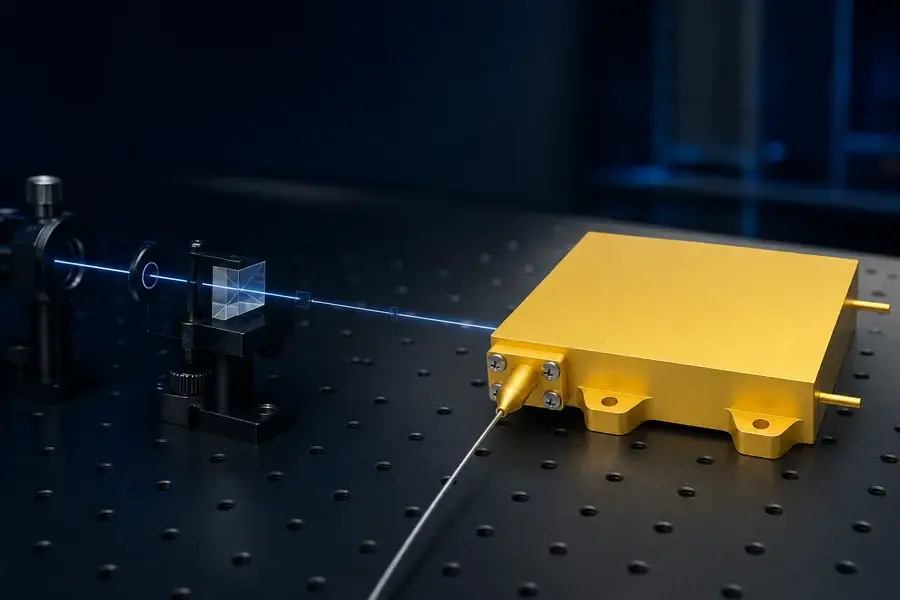
Fuentes de bombeo entregadas por fibra de 808, 885 y 976 nm para sistemas láser industriales.
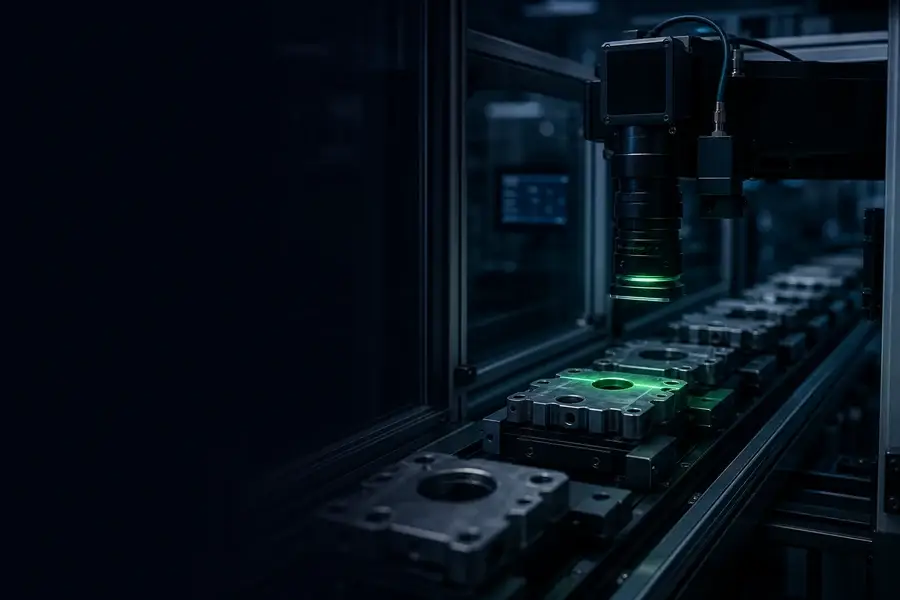
Iluminación visible o infrarroja cercana configurada en torno a la respuesta del detector, el contraste y la entrega óptica.
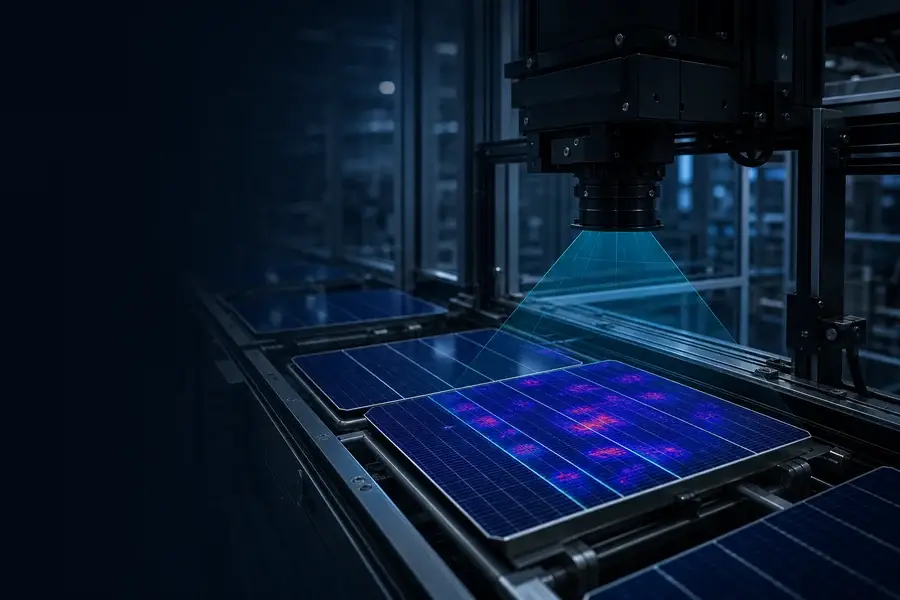
Fuentes acopladas a fibra para instrumentos de iluminación controlada y detección de defectos.
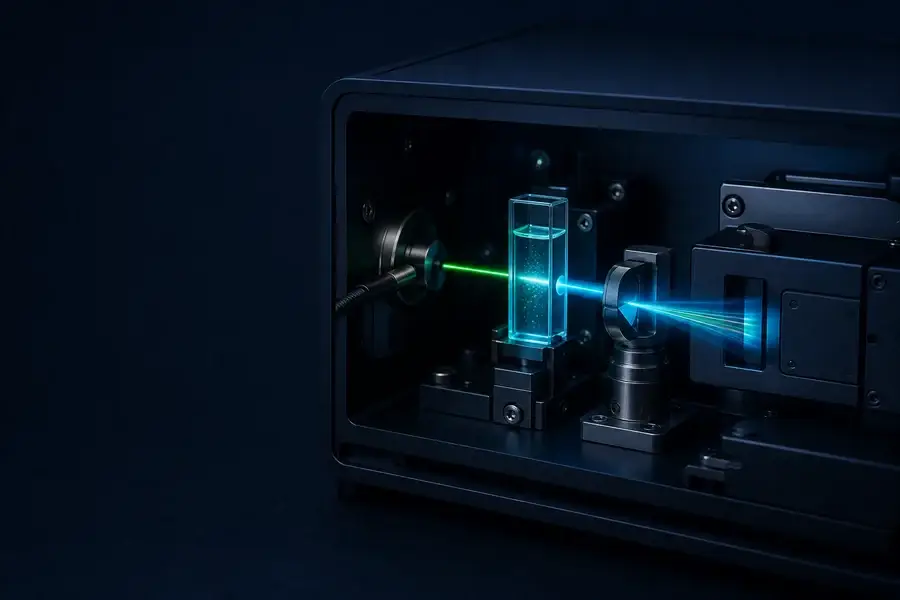
Plataformas láser verde de 525 nm y otras familias de longitudes de onda para instrumentos analíticos y científicos.
Flujo de trabajo de selección de modelos
Un buen proceso de selección comienza con la interacción óptica y termina con la entrega verificada en la interfaz del anfitrión. La potencia de salida nominal es solo un paso.
Indique el medio de bombeo, la respuesta del detector, la interacción de la muestra o el requisito de contraste.
Especifique la salida óptica requerida, el ciclo de operación, la estabilidad y el margen aceptable en la fibra.
Confirme el diámetro del núcleo, la apertura numérica, la longitud de la fibra, el enrutamiento de curvatura y el formato del conector.
Revise el enfriamiento, el controlador, la supervisión, el montaje y las condiciones de operación representativas.
Control de fabricación y entrega
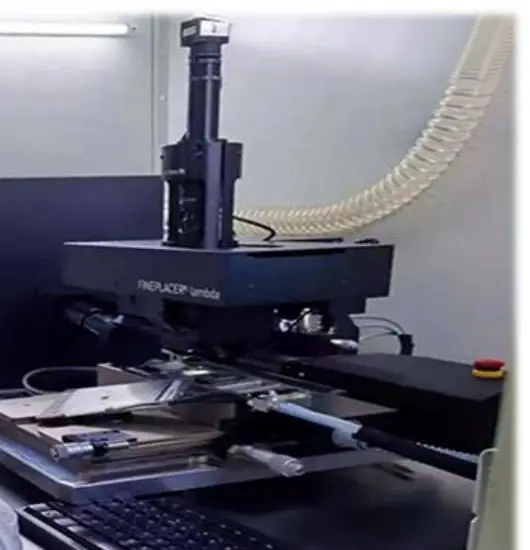
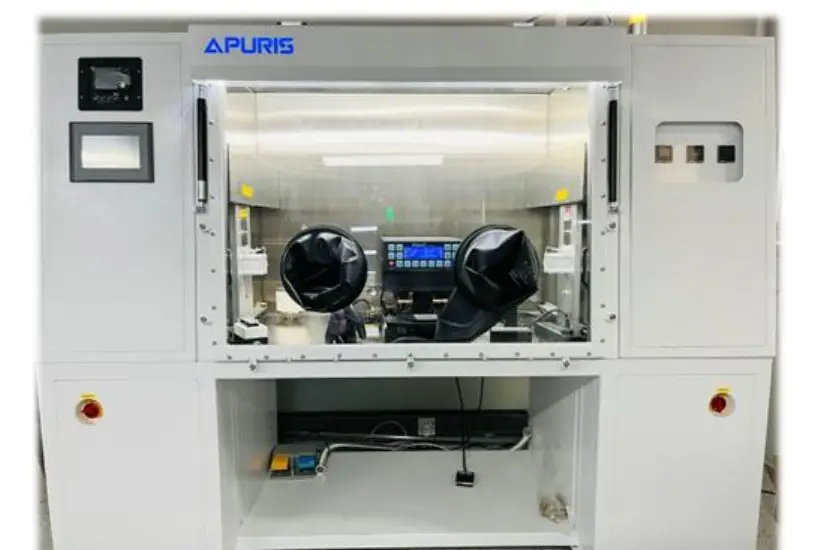
El suministro repetible depende de un ensamblaje controlado y una configuración de pedido congelada. Lumexis vincula la verificación de fuente, el ensamblaje de precisión, las pruebas electro-ópticas y las comprobaciones finales de interfaz antes del envío.
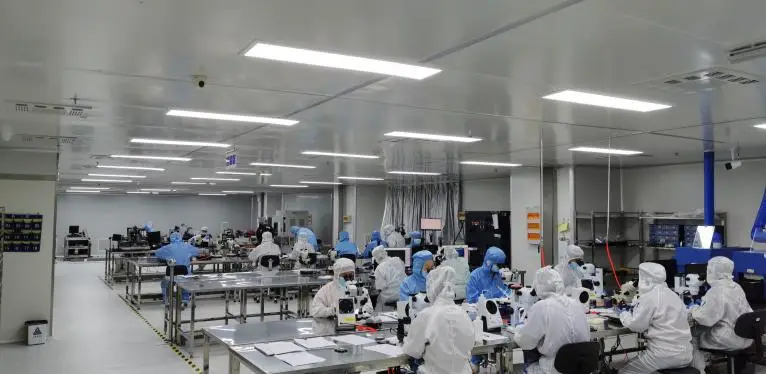
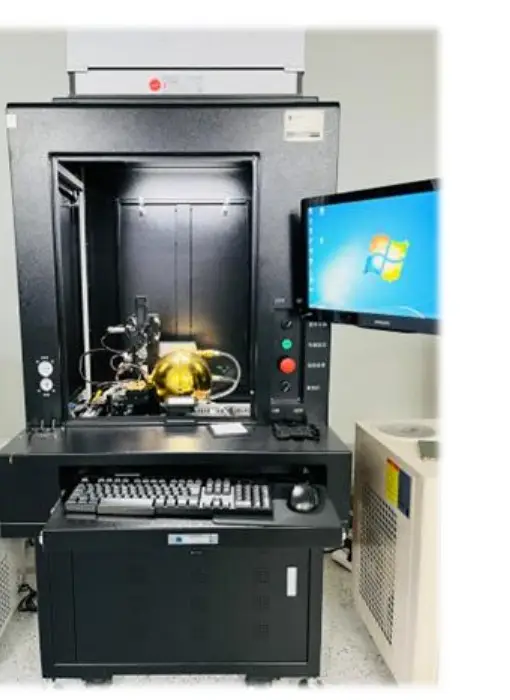
Liberación a nivel de configuración
Preguntas frecuentes previas a la venta
Estas entradas nos ayudan a recomendar la familia de longitud de onda correcta y preparar un paquete de ingeniería específico del pedido.
Un láser verde de 525 nm produce una salida verde visible centrada cerca de 525 nm. En la familia Lumexis, la fuente se entrega a través de una interfaz de fibra y se ofrece en clases de potencia documentadas de 3.2 a 70 W. Se considera por separado de los láseres de bombeo de infrarrojo cercano de 808, 885 y 976 nm porque la longitud de onda, las aplicaciones y la óptica posterior difieren.
Elija la longitud de onda según el material, la muestra, el detector o el medio de bombeo. 525 nm puede ser adecuado para alineación visible, visión artificial sensible al verde, fluorescencia o instrumentos espectrales. Las familias de infrarrojo cercano se evalúan comúnmente para bombeo láser y otros sistemas ópticos industriales. Confirme la idoneidad con muestras representativas y la ruta óptica completa.
Comience con la potencia óptica requerida en el plano de trabajo, luego considere la pérdida de entrega por fibra, la óptica posterior, el ciclo de trabajo, la estabilidad, el margen térmico y la respuesta del objetivo o la muestra. Evite elegir el vataje más alto sin confirmar que el sistema anfitrión puede usarlo y gestionarlo.
Las opciones dependen del modelo y la configuración del pedido. La familia documentada incluye múltiples tamaños de núcleo de fibra, valores de apertura numérica, longitudes de fibra e interfaces de tipo FC o SMA. Confirme la interfaz y el dibujo exactos en el paquete de cotización en lugar de asumir que una configuración se aplica a toda la serie.
Comparta la temperatura ambiente, el ciclo de trabajo, el área de montaje, el método de enfriamiento disponible, las condiciones de flujo de aire o enfriamiento líquido y cualquier límite en la temperatura de la placa base. Una mayor potencia no significa automáticamente la misma arquitectura térmica en todas las longitudes de onda o variantes de paquete.
Sí. Podemos revisar la clase de longitud de onda y potencia, la selección de fibra y conector, el enrutamiento del cable, el montaje, la interfaz eléctrica, el monitoreo y la planificación de validación. Cualquier cambio solicitado se evalúa contra el rendimiento óptico, el comportamiento térmico y la producción repetible.
La familia está destinada a sistemas civiles, industriales y científicos, incluidos bombeo láser industrial, visión artificial e inspección óptica, inspección fotovoltaica, excitación de fluorescencia, análisis espectral e instrumentos fotónicos OEM.
Proporcione la longitud de onda requerida, la potencia entregada, el espectro si es crítico, el núcleo de fibra y la NA, el conector, la longitud de fibra, el ciclo de trabajo operativo, el método de enfriamiento, las restricciones eléctricas, el límite del paquete, la información del objetivo o muestra y la cantidad anual esperada. Estas entradas permiten una recomendación a nivel de configuración.
Comparta sus requisitos de longitud de onda, potencia, núcleo de fibra, voltaje y corriente. Recomendaremos un modelo y prepararemos la hoja de datos y el paquete de configuración relevantes.