منصة مصدر Er:Glass نابض للأنظمة البصرية المختارة لمصنعي المعدات الأصلية.

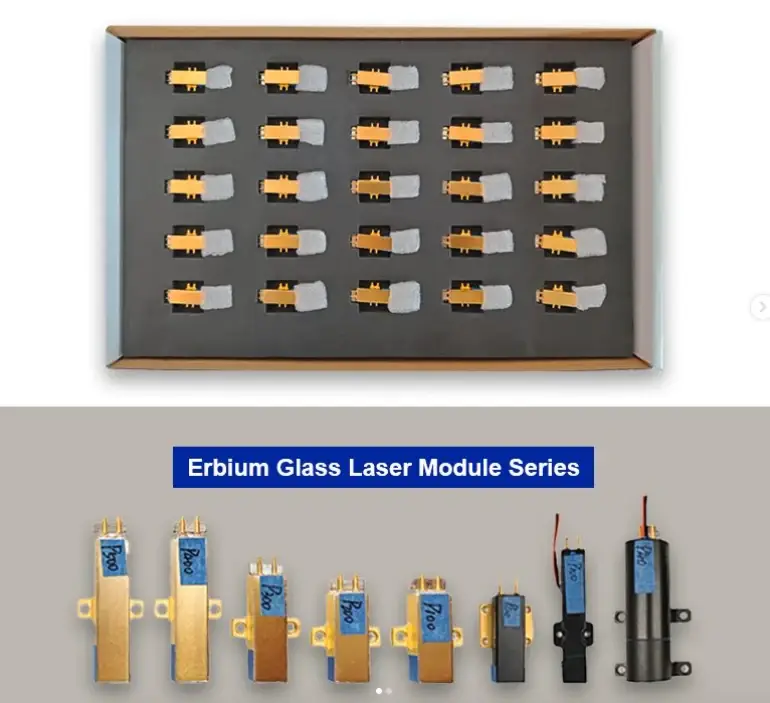
تطور Lumexis مصادر ليزر زجاج الإربيوم النابضة المدمجة لمصنعي المعدات الأصلية تحديد المدى, ، الاستشعار البصري،, الليدار والأدوات العلمية. تمتد السلسلة عبر طاقة نبضة 40–500 ميكروجول عند 1535 نانومتر، مع عرض نبضة 3–6 نانوثانية، ومعدل تكرار 1–1000 هرتز حسب الطراز، وتباعد شعاع ≤10 أو ≤15 ميليراديان،, مصدر طاقة <2 فولت وتشغيل من −40 إلى +65 درجة مئوية.
قيم الأداء خاصة بالطراز. تأكد من المواصفات الفنية الخاصة بالطلب، وواجهة التوصيل، ورسم التكامل قبل إصدار التصميم.
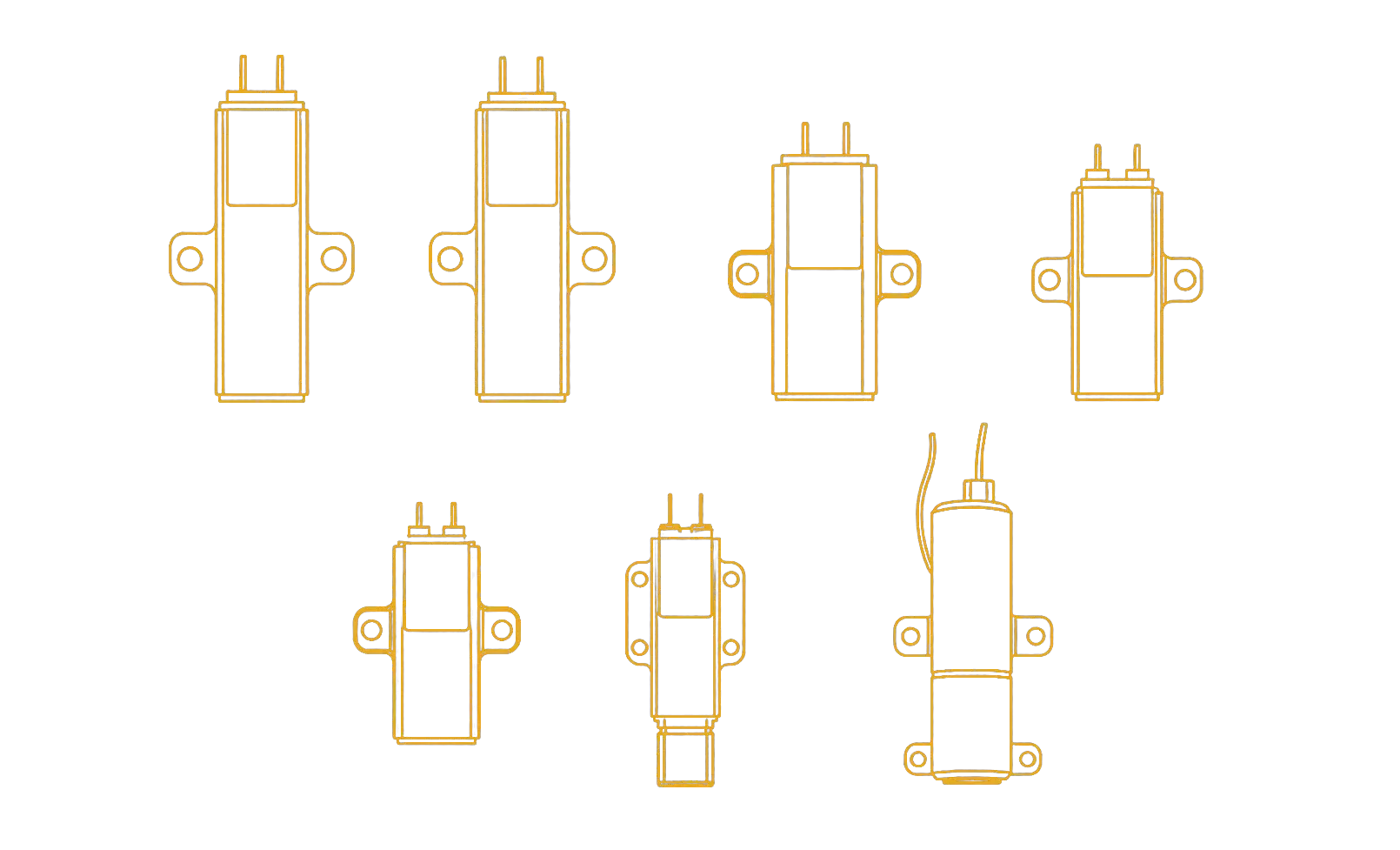
 تحديد المدى لمصنعي المعدات الأصليةالليدار والاستشعار عن بُعدالاستشعار البصريالأدوات العلمية
منصة مصدر Er:Glass نابض للأنظمة البصرية المختارة لمصنعي المعدات الأصلية.
توفر ستة طرازات مصادر نطاق طاقة محددًا لمفاضلات النظام.
خرج نبضة قصيرة محدد عبر سلسلة الطرازات المنشورة.
محدد حسب الطراز: 1–10 هرتز أو 1000 هرتز لمصدر 40 ميكروجول.
تباعد يعتمد على الطراز ليتم مطابقته مع المسار البصري المضيف.
نطاق درجة حرارة التشغيل المنشور؛ تأكد من التكوين النهائي.
مجموعة المنتجات الكاملة
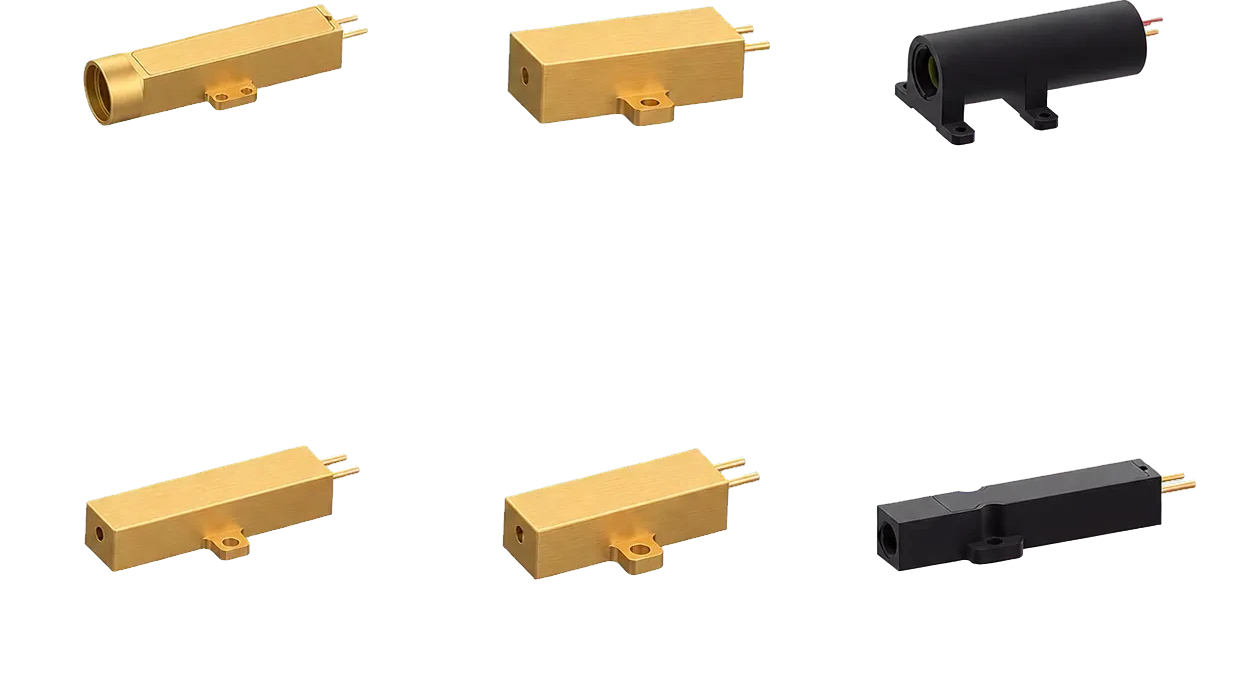
جميع الطرازات المنشورة موضحة أدناه. ابدأ بطاقة النبضة المطلوبة، ومعدل التكرار، وتباعد الشعاع، وحجم التركيب المتاح؛ ثم تحقق من الواجهة الكهربائية، والرسم الميكانيكي، وشرط الاختبار للنظام المقصود.
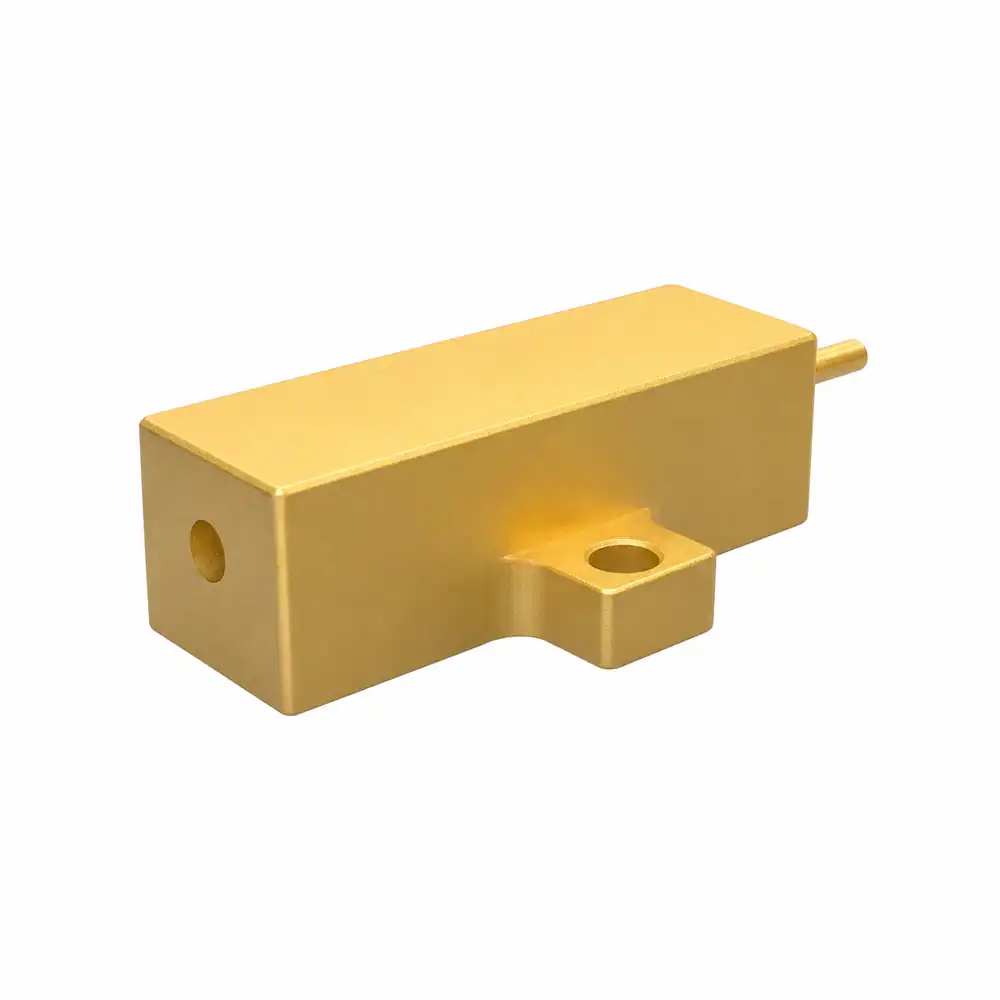
1535-LXER040
40 ميكروجول عند 1535 نانومتر؛ تكرار 1000 هرتز؛ عرض نبضة 3–6 نانوثانية؛ تباعد ≤15 ميليراديان.
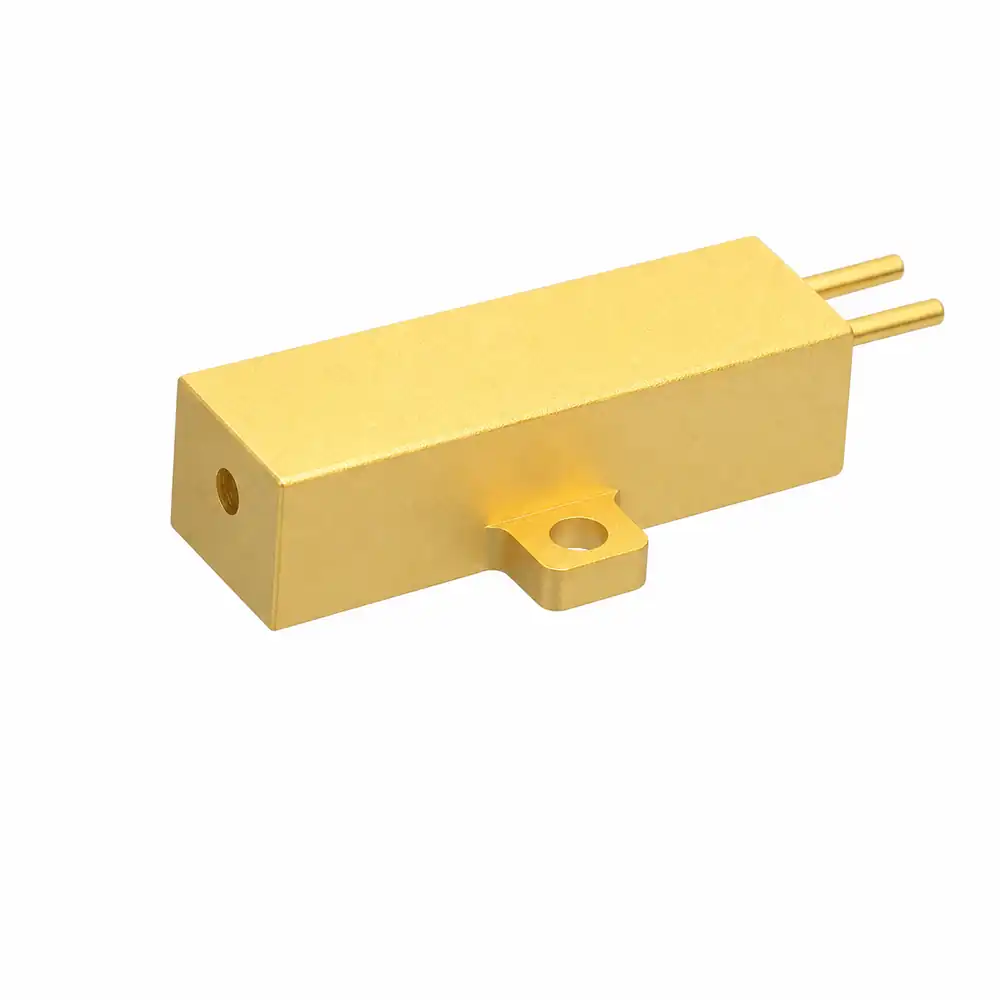
1535-LXER100
100 ميكروجول عند 1535 نانومتر؛ تكرار 1–10 هرتز؛ عرض نبضة 3–6 نانوثانية؛ تباعد ≤10 ميليراديان.
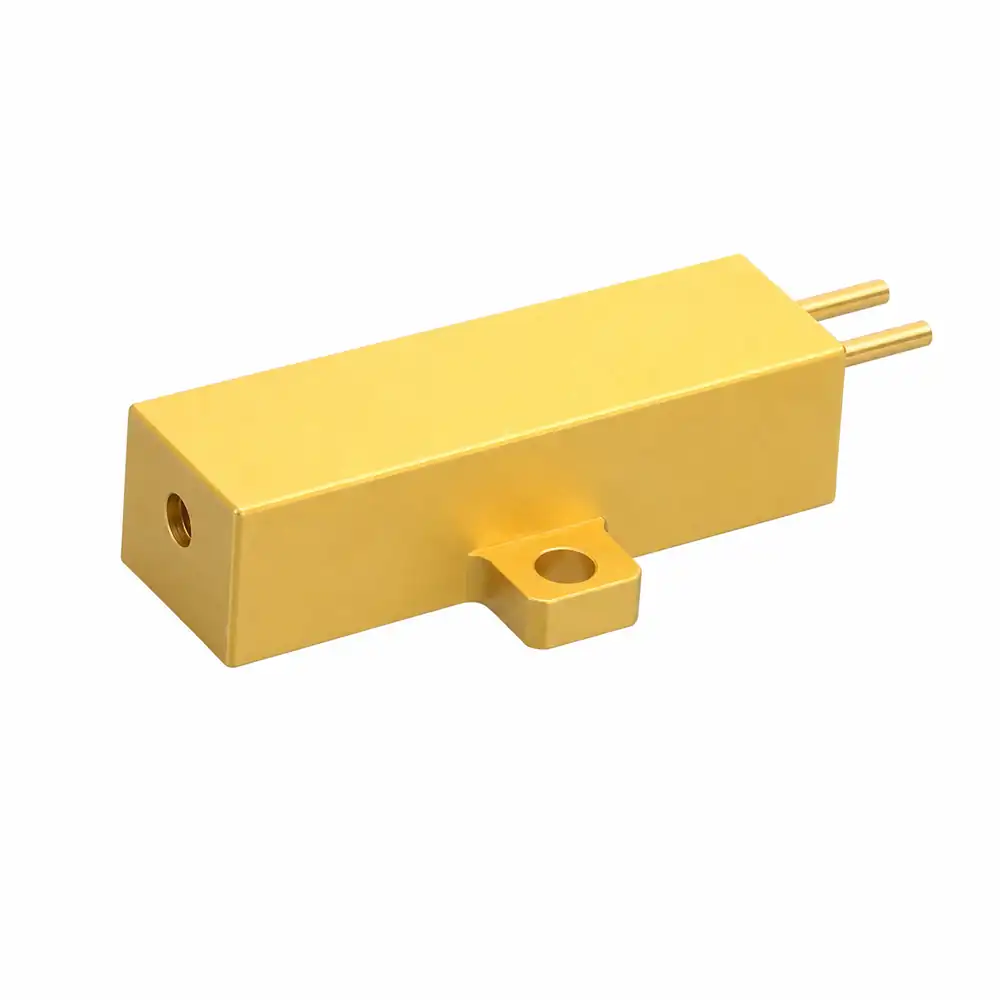
1535-LXER200
200 ميكروجول عند 1535 نانومتر؛ تكرار 1–10 هرتز؛ عرض نبضة 3–6 نانوثانية؛ تباعد ≤10 ميليراديان.
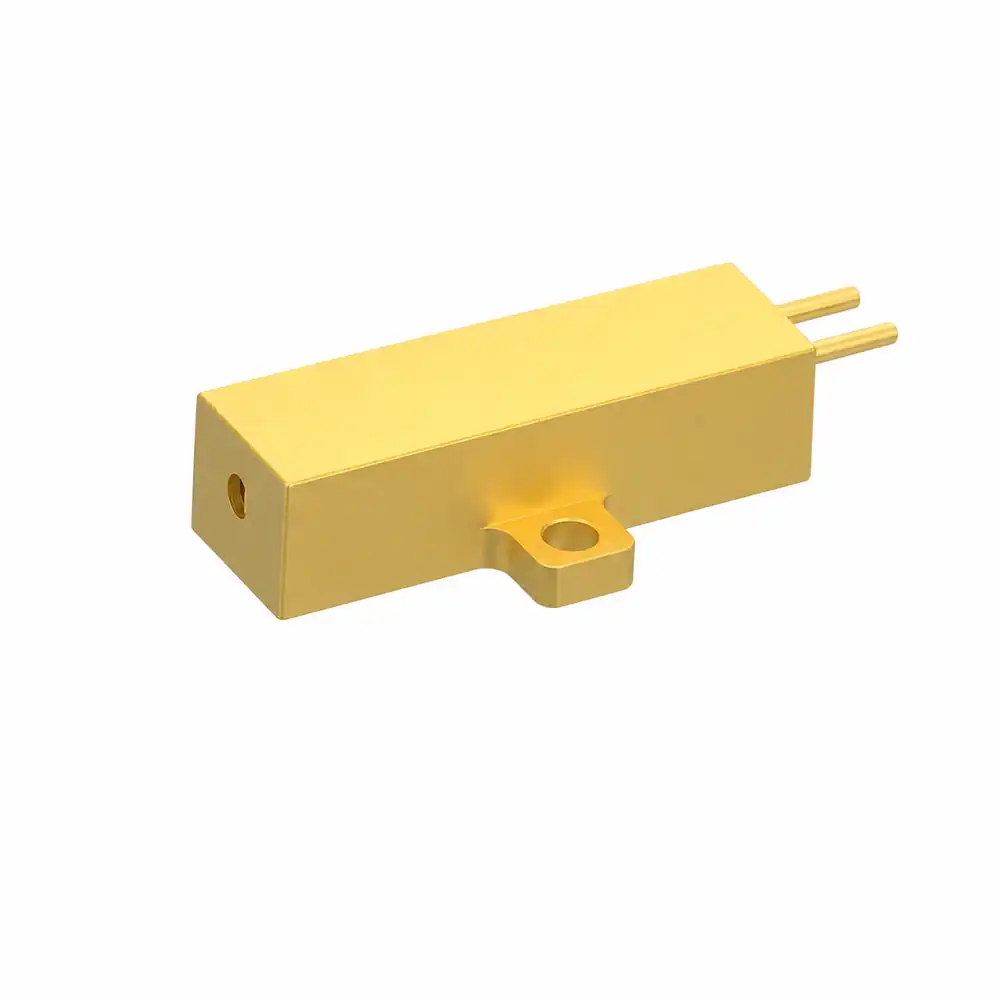
1535-LXER300
300 ميكروجول عند 1535 نانومتر؛ تكرار 1–10 هرتز؛ عرض نبضة 3–6 نانوثانية؛ تباعد ≤10 ميليراديان.
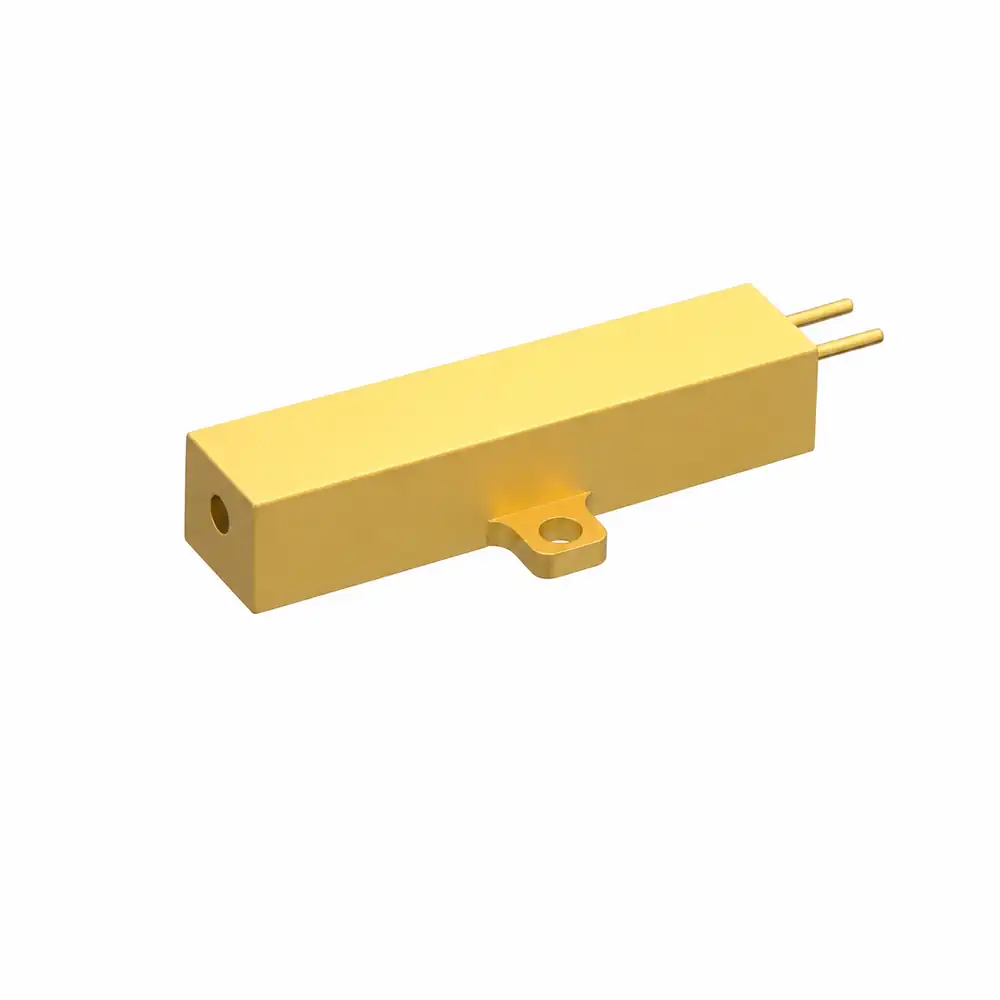
1535-LXER400
400 ميكروجول عند 1535 نانومتر؛ تكرار 1–10 هرتز؛ عرض نبضة 3–6 نانوثانية؛ تباعد ≤15 ميليراديان.
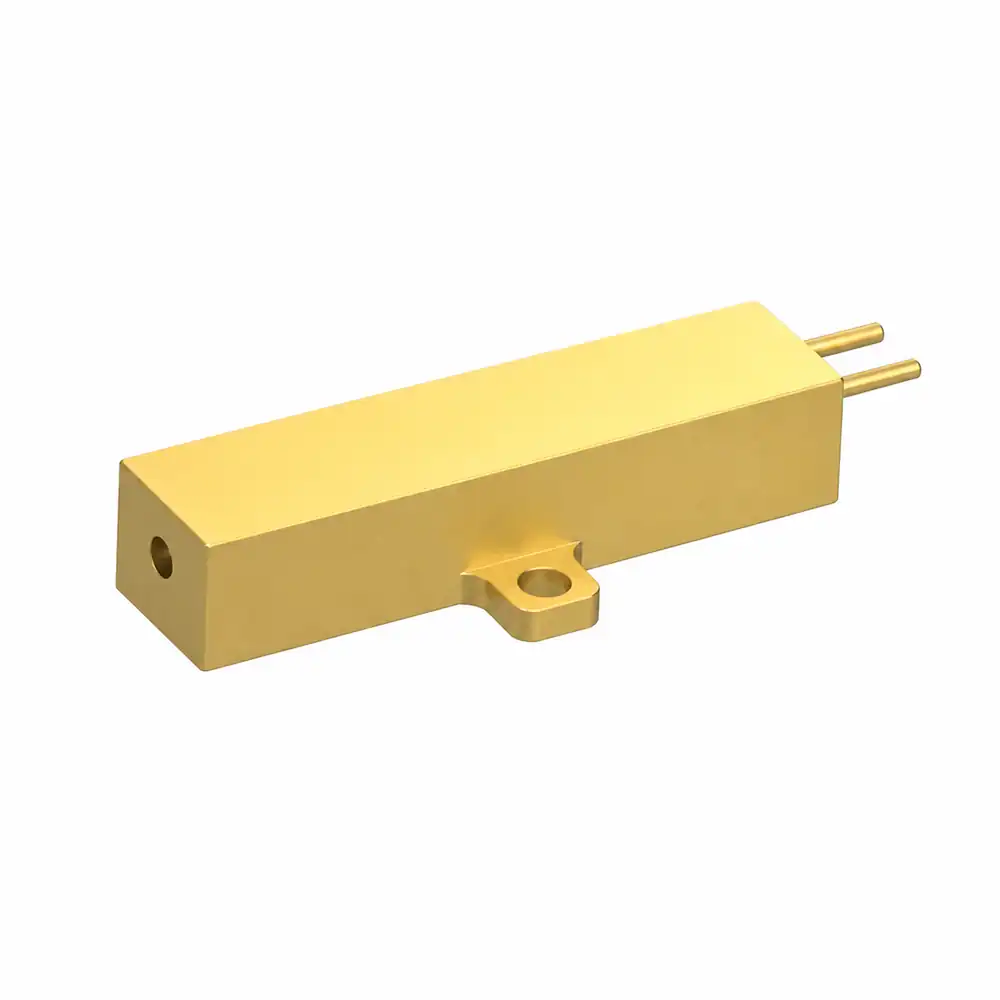
1535-LXER500
500 ميكروجول عند 1535 نانومتر؛ تكرار 1–10 هرتز؛ عرض نبضة 3–6 نانوثانية؛ تباعد ≤15 ميليراديان.
مقارنة النماذج
الجدول أداة مساعدة للاختيار، وليس مستند إصدار للتكامل. يتم تأكيد الواجهة والغلاف الميكانيكي وظروف الاختبار في المواصفات الفنية الخاصة بالطراز.
| النموذج | طاقة النبضة | التكرار | عرض النبضة | التباعد الزاوي | التزويد | درجة حرارة التشغيل | الوزن |
|---|---|---|---|---|---|---|---|
| 1535-LXER040 | 40 ميكروجول | 1000 هرتز | 3–6 نانوثانية | ≤15 ملي راديان | <2 فولت | −40 إلى +65 درجة مئوية | — |
| 1535-LXER100 | 100 ميكروجول | 1–10 هرتز | 3–6 نانوثانية | ≤10 ملي راديان | <2 فولت | −40 إلى +65 درجة مئوية | 9 غرام |
| 1535-LXER200 | 200 ميكروجول | 1–10 هرتز | 3–6 نانوثانية | ≤10 ملي راديان | <2 فولت | −40 إلى +65 درجة مئوية | 9 غرام |
| 1535-LXER300 | 300 ميكروجول | 1–10 هرتز | 3–6 نانوثانية | ≤10 ملي راديان | <2 فولت | −40 إلى +65 درجة مئوية | 9 غرام |
| 1535-LXER400 | 400 ميكروجول | 1–10 هرتز | 3–6 نانوثانية | ≤15 ملي راديان | <2 فولت | −40 إلى +65 درجة مئوية | 11 غرام |
| 1535-LXER500 | 500 ميكروجول | 1–10 هرتز | 3–6 نانوثانية | ≤15 ملي راديان | <2 فولت | −40 إلى +65 درجة مئوية | 13 غرامًا |
ملاحظة المواصفات: قيم الطول الموجي 1535 نانومتر، وطاقة النبضة، ومعدل التكرار، وعرض النبضة، والتباعد الزاوي هي قيم منشورة خاصة بالطراز. تعني “—” أن بيانات المصدر العامة لا تدرج قيمة؛ اطلب ورقة البيانات ذات الصلة للطراز المحدد.
أساسيات مصدر الليزر
تُخزَّن الطاقة في وسط الكسب من زجاج الإربيوم المشوّب وتُطلق كنبضة بصرية قصيرة عندما يغيّر مفتاح Q السلبي فقدان الرنان. طاقة النبضة الناتجة، والعرض، والتباعد الزاوي للحزمة، ومعدل التكرار هي معايير تصميم مترابطة—وليست إعدادات مستقلة يمكن تحسينها بشكل منفصل.
يخزّن الزجاج النشط طاقة المضخة ويوفر الانتقال الليزري عند 1535 نانومتر.
يدعم التشغيل النبضي المدمج دون مفتاح Q مدفوع خارجيًا.
تحدد بصريات الإخراج هندسة الحزمة المُسلَّمة للمسار البصري المضيف.
يجب أن تتبع تفاصيل التركيب والموصل والفتحة رسم الطراز المحدد.
معرفة الاختيار
يجب تقييم المصدر كجزء من النظام البصري والكهربائي الكامل. تساعد هذه المدخلات في تحديد القائمة المختصرة الأولية للطرازات والأسئلة الهندسية لاختبار العينات.
تحدد طاقة النبضة الطاقة البصرية المتاحة لكل انبعاث. اخترها وفقًا لهامش إشارة النظام المطلوب، وحساسية المستقبل، والخسائر البصرية، والتقييم النهائي للسلامة.
يتحكم التباعد الزاوي في مدى سرعة تمدد الحزمة. يؤثر الموسّع المضيف، والفتحة، وتفاوت المحاذاة جميعها على البصمة المُسلَّمة.
يجب أن يتطابق معدل التكرار مع توقيت الالتقاط، والميزان الحراري، ومعالجة المضيف. يُحدد طراز 40 ميكروجول عند 1000 هرتز؛ أما الطرازات الأخرى المدرجة فهي من 1 إلى 10 هرتز.
يمكن أن تدعم النبضات الأقصر دقة زمن الرحلة، لكن الاستجابة الكاملة للنظام تشمل أيضًا حدود الكاشف، والإلكترونيات، والتوقيت، ومعالجة الإشارات.
للزوايا الصغيرة، استخدم التباعد الزاوي الكامل θ بالراديان ومسافة الانتشار R. أدرج قطر الحزمة الأولي للمصدر، وبصريات المضيف، وتفاوت المحاذاة في النموذج التفصيلي. أكد تعريف التباعد الزاوي في مواصفات الطراز المحدد.
حلول التطبيقات
يعتمد ملاءمة التطبيق على طاقة النبضة، والتباعد الزاوي، ومعدل التكرار، والمسار البصري للمضيف، وهندسة المستقبل. يُوصى بإجراء اختبار تمثيلي للنظام قبل إصدار التصميم النهائي.
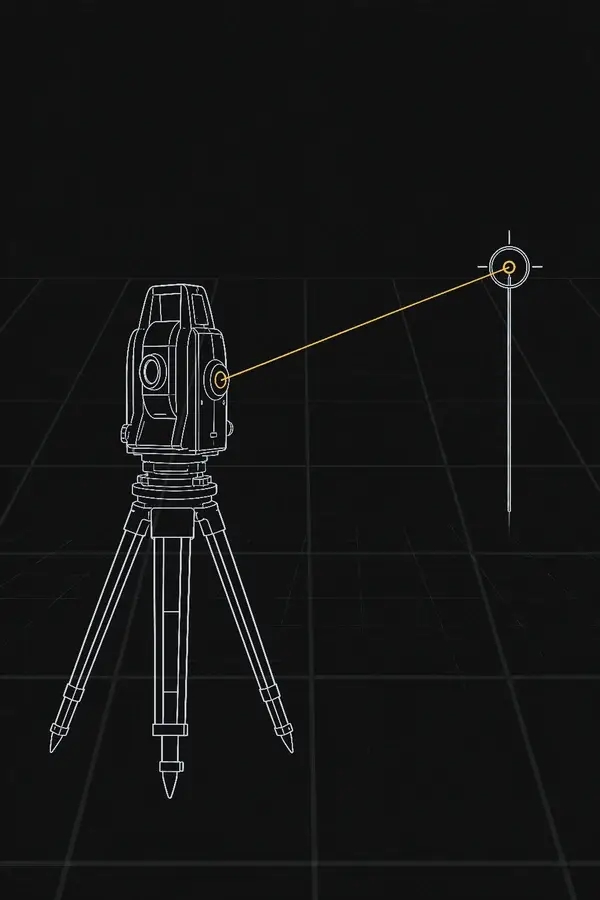
وحدة بناء مصدر نبضي للأدوات المدمجة لتحديد المدى والأنظمة الفرعية للقياس المتكامل.
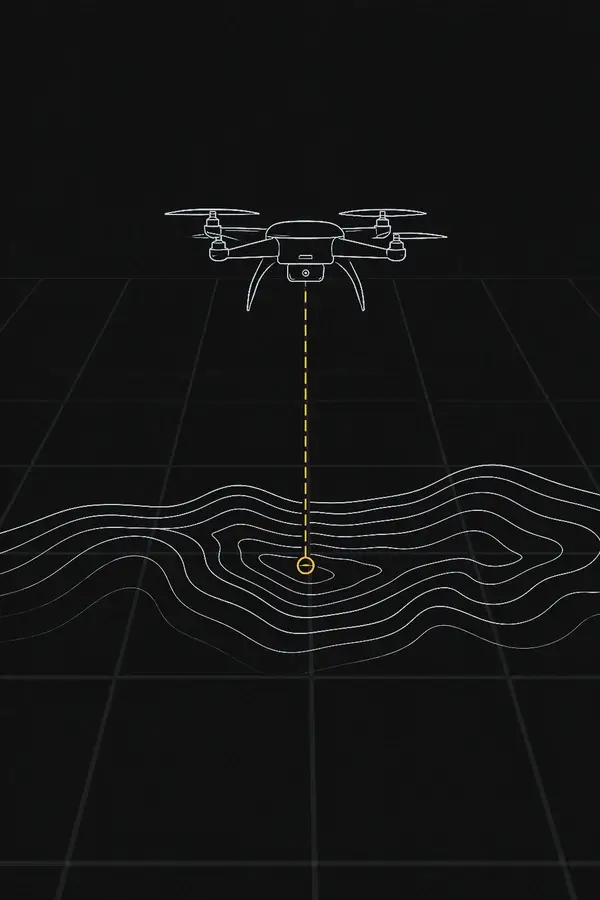
دمج المصدر لأنظمة رسم الخرائط المدنية التي تجمع بين الإرسال النبضي، والتوقيت، والمسح الضوئي، وهندسة المستقبل.
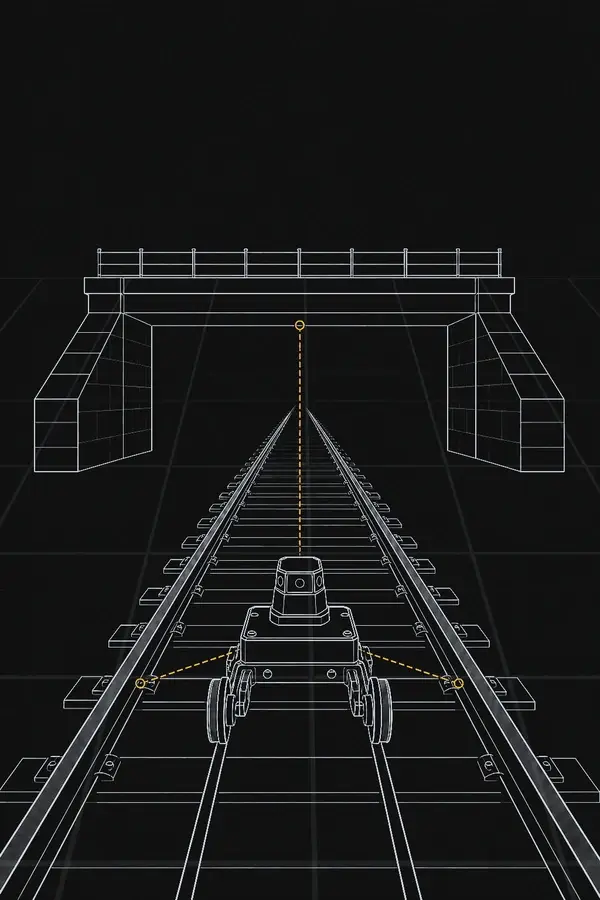
يدعم سير عمل القياس البصري لمعدات فحص السكك الحديدية والبنية التحتية الثابتة.
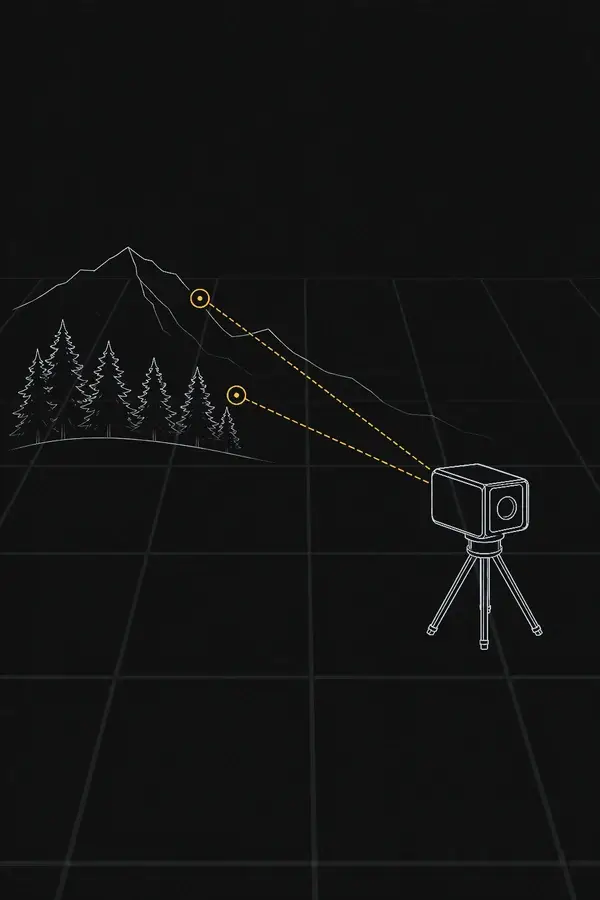
خيار مصدر نبضي مدمج بطول موجة 1535 نانومتر لأدوات البحث المخبري والميداني.
التكامل الميكانيكي والكهربائي
مصدر الليزر هو جزء واحد فقط من الأداة النهائية. استخدم الرسم الخاص بالطراز ومخطط التوصيل كأساس للتكامل، وتحقق من صحة النظام المُجمّع بما في ذلك البصريات، والتركيب، والكابلات، واستقرار الإمداد، وبيئة التشغيل.
احمِ فتحة الإخراج، وحافظ على فتحة واضحة، وتحكم في المحاذاة مع المحور البصري للمضيف.
تحدد مواصفات المصدر المنشورة جهد إمداد أقل من 2 فولت. تأكد من بدء التشغيل، وتيار التشغيل، والتأريض في ورقة البيانات المحددة.
استخدم رسم الطراز لتحديد نقاط التثبيت، ومناطق الخلو، والواجهات الحرارية.
اختبر المضيف النهائي، وليس المصدر المجرد فقط، للأداء البصري والامتثال للسلامة.
التصنيع والاختبار والتسليم
يعتمد الإمداد المتكرر على التجميع المتحكم فيه، والاختبار على مستوى الطراز، وتأكيد الواجهة، والتغليف الواقي. يتم تحديد خطة القبول الدقيقة والوثائق للتكوين المطلوب.
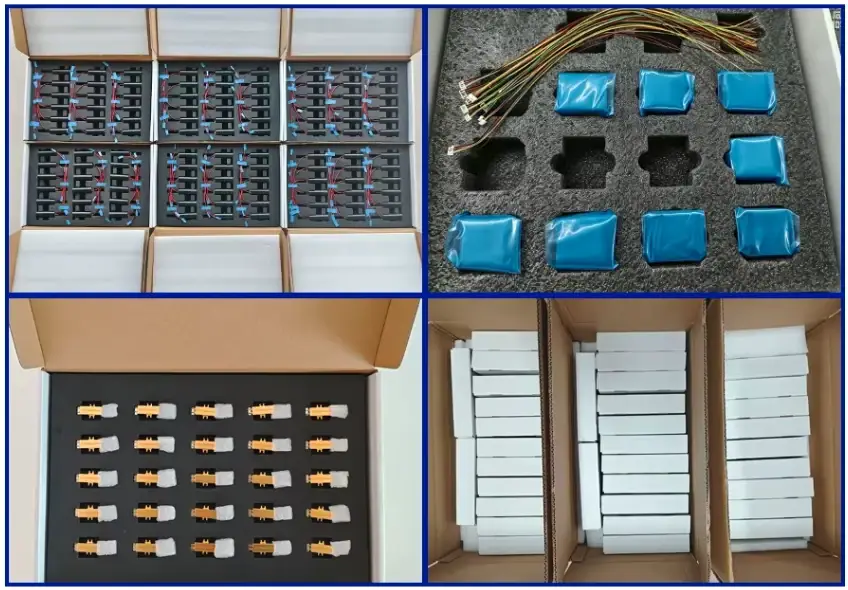
تحقق من الإخراج مقابل مواصفات مصدر 1535 نانومتر المحدد.
قم بقياس طاقة الإخراج مقابل قيمة القبول ذات الصلة بالطراز.
تحقق من عرض النبضة وسلوك التكرار لوضع التشغيل المحدد.
تأكد من محاذاة الحزمة والتباعد الزاوي مقابل متطلبات المنتج.
تأكد من هوية الطراز، وأسلاك الواجهة، وحالة العبوة، والوثائق الخاصة بالطلب.
افصل وحدات المصدر واحمِ الواجهات البصرية والكهربائية لمسار المناولة.
الأسئلة الشائعة قبل البيع
توفر هذه الإجابات نقطة بداية عملية لاختيار المصدر والتسعير. يتم تأكيد الواجهات الدقيقة ومعايير القبول والرسومات للطراز المحدد.
ابدأ بميزانية الوصلة البصرية للنظام، وحساسية المستقبِل، وهامش الإشارة المطلوب، ونقل البصريات المضيفة، ومتطلبات المدى أو الاستشعار، والحدود الحرارية/الكهربائية. طاقة النبضة الأعلى ليست تلقائيًا الإجابة الصحيحة؛ فالحزمة المُسلَّمة، وإيقاع القياس، والتقييم النهائي للنظام مهمة معًا.
المواصفات المنشورة لـ 1535-LXER040 تذكر 1000 هرتز. طرازات 100–500 ميكروجول المدرجة في هذه الصفحة محددة عند 1–10 هرتز. يُرجى تأكيد وضع التشغيل المطلوب ودورة التشغيل في ورقة بيانات المنتج المختار.
نعم. اطلب المواصفات الفنية الخاصة بالطراز، والرسم الميكانيكي، ووثائق الواجهة المتاحة خلال مرحلة طلب العرض أو تقييم العينة. يجب استخدام هذه المستندات كأساس للتصميم بدلاً من القيم العامة في صفحة الفئة.
يصف الانتشار الزاوي للحزمة المُسلَّمة. يؤثر على بصمة الحزمة، وتحديد حجم الفتحات النهائية، وتفاوت المحاذاة. قد تشكّل البصريات المضيفة الحزمة بشكل إضافي، لذا احسب المسار البصري الكامل وتحقق منه أثناء اختبار النظام.
يمكننا تقييم متطلبات OEM للواجهة الميكانيكية، والتوصيل الكهربائي، والتكوين البصري، ووثائق البرنامج. تعتمد الجدوى على الأداء المطلوب، وحجم الإنتاج، ونطاق التحقق، والتطبيق المضيف النهائي.
قدّم التطبيق المستهدف، وطاقة النبضة المطلوبة أو هامش الإشارة، ومعدل التكرار التشغيلي، والتخطيط البصري المضيف، والمساحة والكتلة المتاحة، وظروف الإمداد، ونطاق درجة الحرارة المتوقع، والكمية المتوقعة، وتاريخ التحقق المستهدف.
لا. المصدر هو مكوّن OEM. يجب تقييم الأداة النهائية في تكوينها البصري والكهربائي والتشغيلي الكامل وفقًا لمتطلبات المنتج وسلامة الليزر المعمول بها.
الدعم الهندسي
أرسل هدف طاقة النبضة، ومعدل التكرار، والتخطيط البصري، والإطار الميكانيكي، وظروف التشغيل. سنساعد في تحديد الطراز الأنسب والوثائق الهندسية اللازمة للتقييم.