Импульсная платформа Er:Glass для отдельных OEM-оптических систем.

Lumexis разрабатывает компактные импульсные источники на эрбиевом стекле для OEM дальнометрия, оптическое зондирование, LiDAR и научные приборы. Серия охватывает энергию импульса 40–500 мкДж на 1535 нм, с шириной импульса 3–6 нс, частотой повторения 1–1000 Гц в зависимости от модели, расходимостью ≤10 или ≤15 мрад, напряжением источника питания <2 В и работой от −40 до +65°C.
Значения характеристик зависят от модели. Подтвердите технические характеристики, интерфейс и чертеж интеграции для конкретного заказа перед выпуском конструкции.
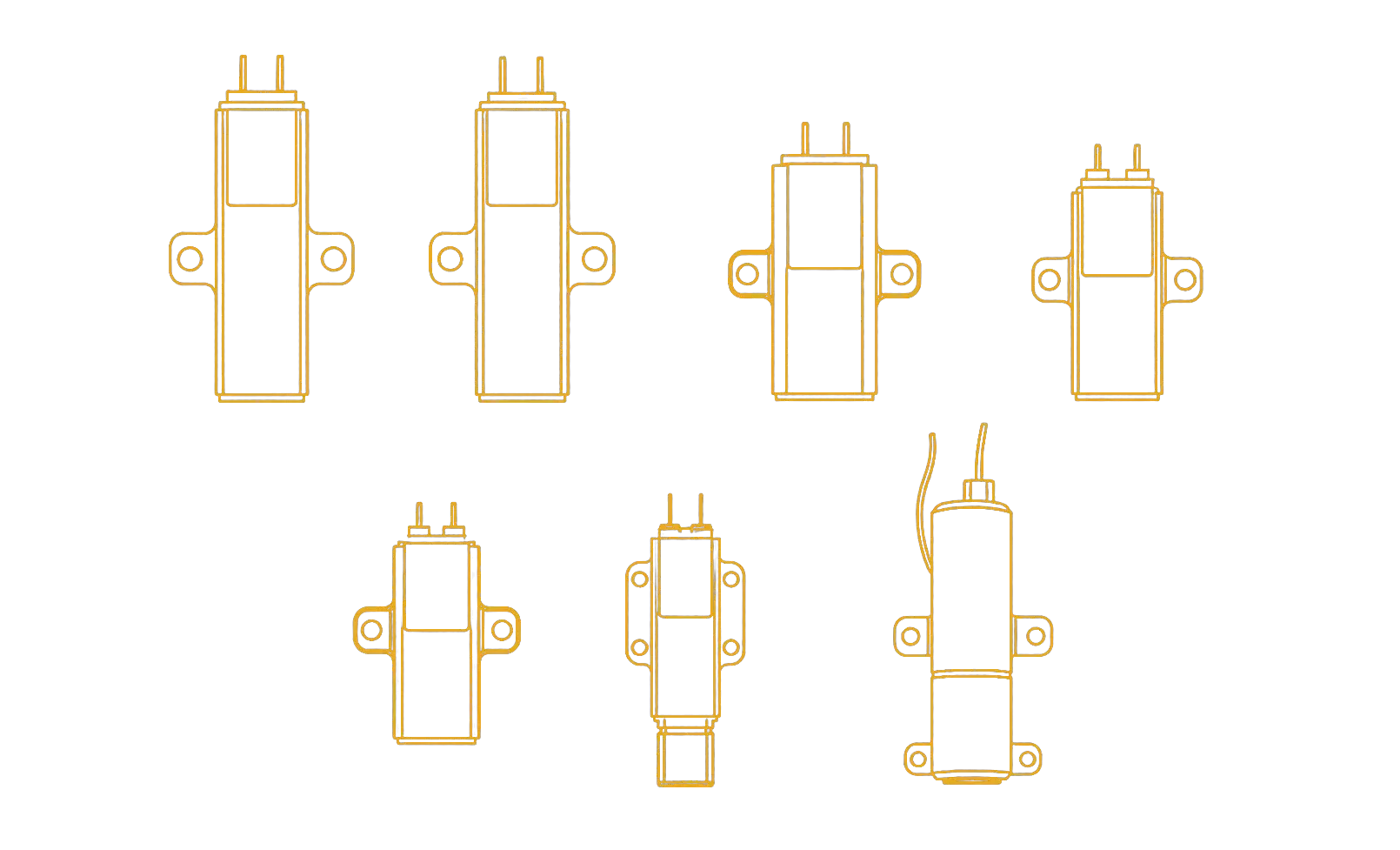
 OEM дальнометрияLiDAR и дистанционное зондированиеОптическое зондированиеНаучные приборы
Импульсная платформа Er:Glass для отдельных OEM-оптических систем.
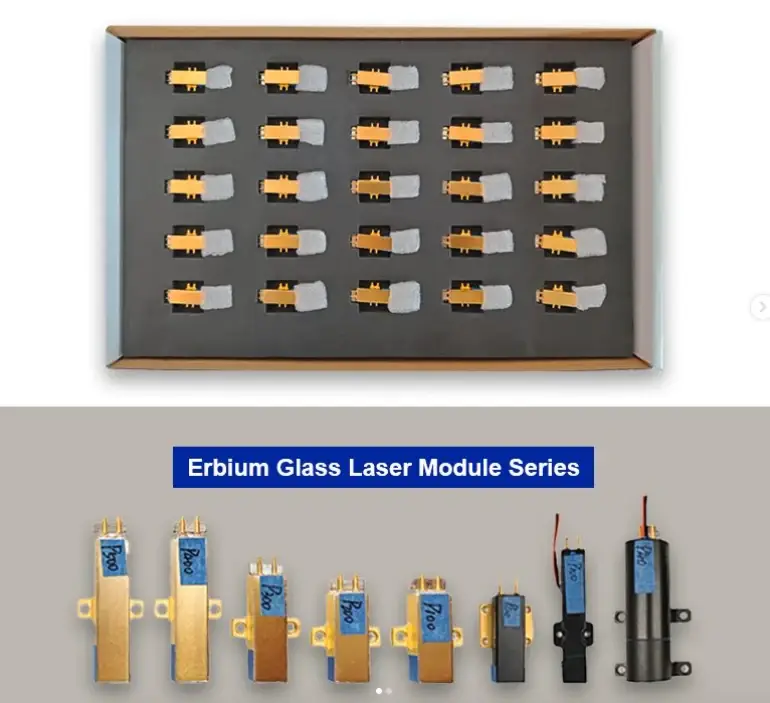
Шесть моделей источников обеспечивают заданный диапазон энергии для компромиссов в системе.
Заданный короткоимпульсный выход во всей опубликованной серии моделей.
Выбирается по модели: 1–10 Гц или 1000 Гц для источника 40 мкДж.
Расходимость зависит от модели и должна соответствовать оптическому тракту принимающей системы.
Опубликованный диапазон рабочих температур; подтвердите окончательную конфигурацию.
Полный ассортимент продукции
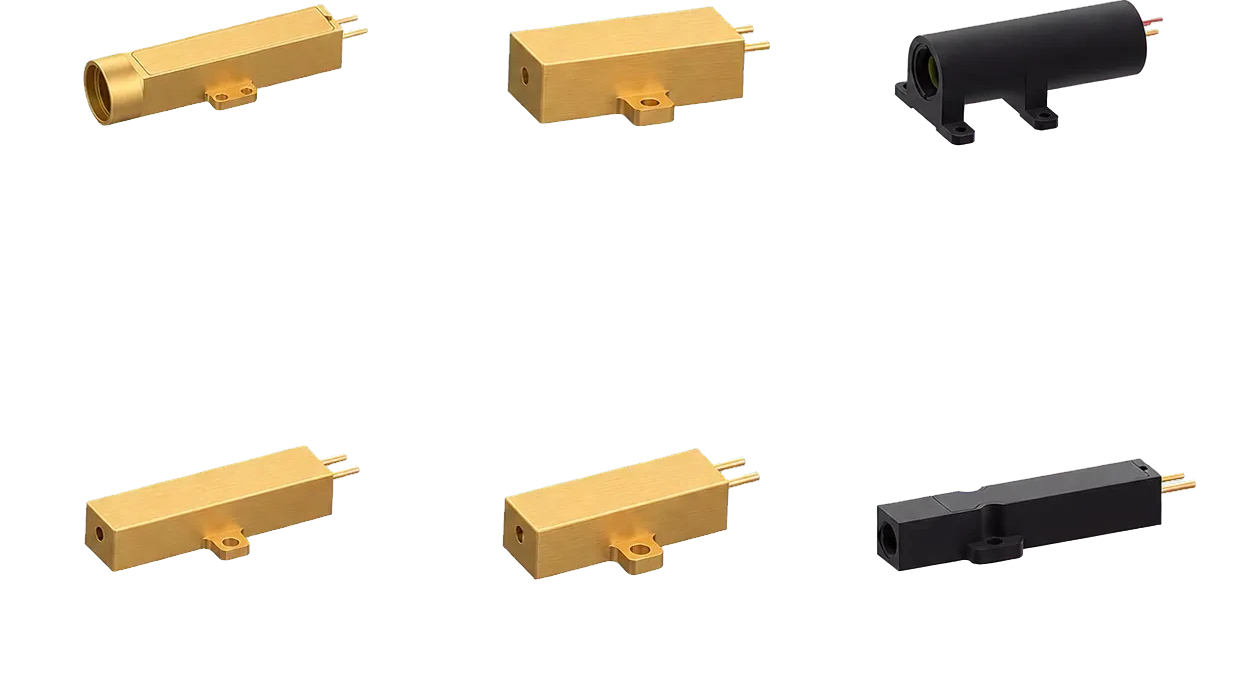
Все опубликованные модели показаны ниже. Начните с требуемой энергии импульса, частоты повторения, расходимости пучка и доступного установочного объема; затем проверьте электрический интерфейс, механический чертеж и условия испытаний для предполагаемой системы.
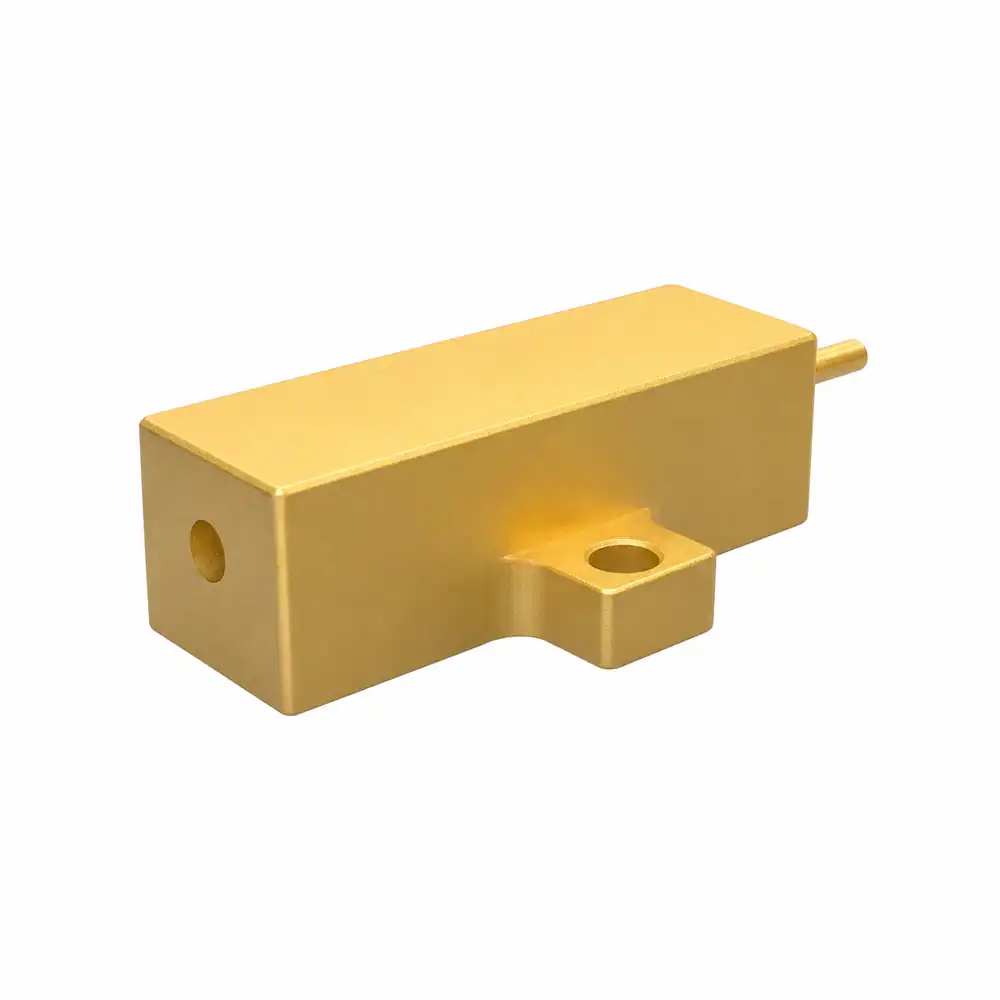
1535-LXER040
40 мкДж на 1535 нм; частота повторения 1000 Гц; ширина импульса 3–6 нс; расходимость ≤15 мрад.
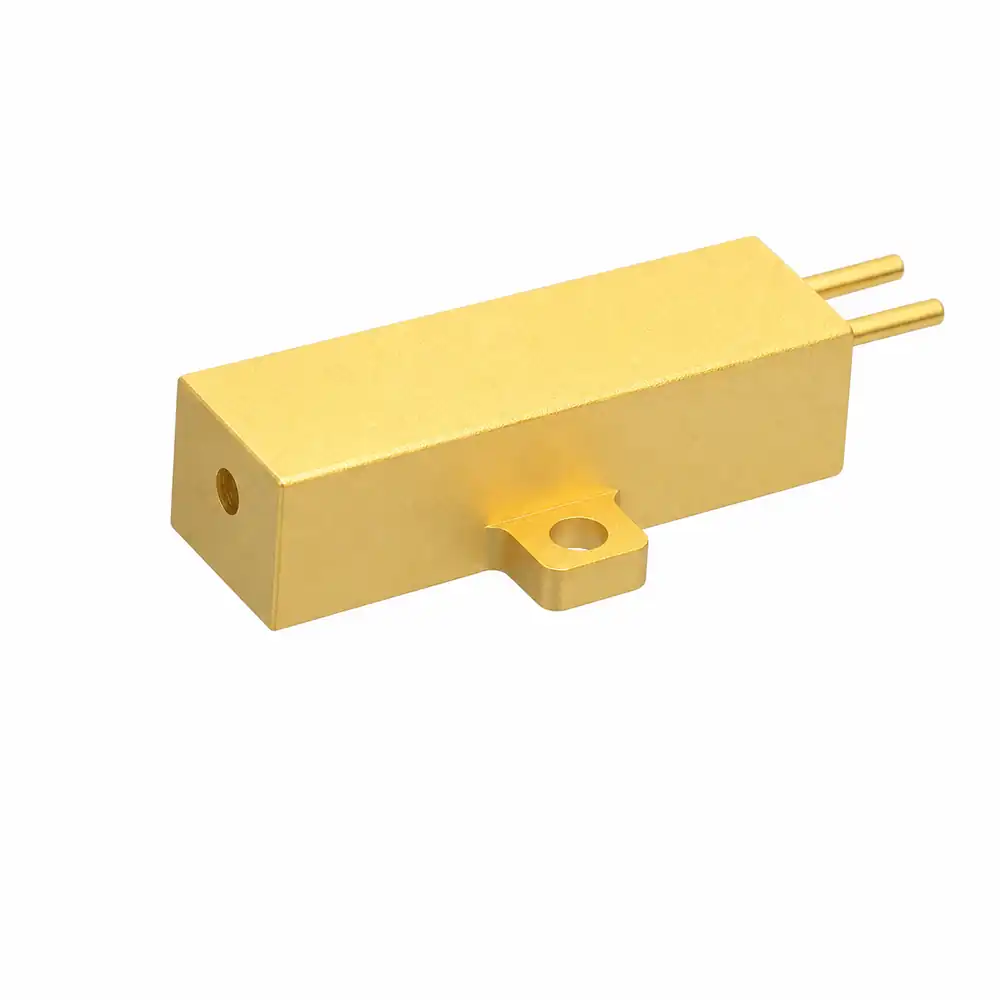
1535-LXER100
100 мкДж на 1535 нм; частота повторения 1–10 Гц; ширина импульса 3–6 нс; расходимость ≤10 мрад.
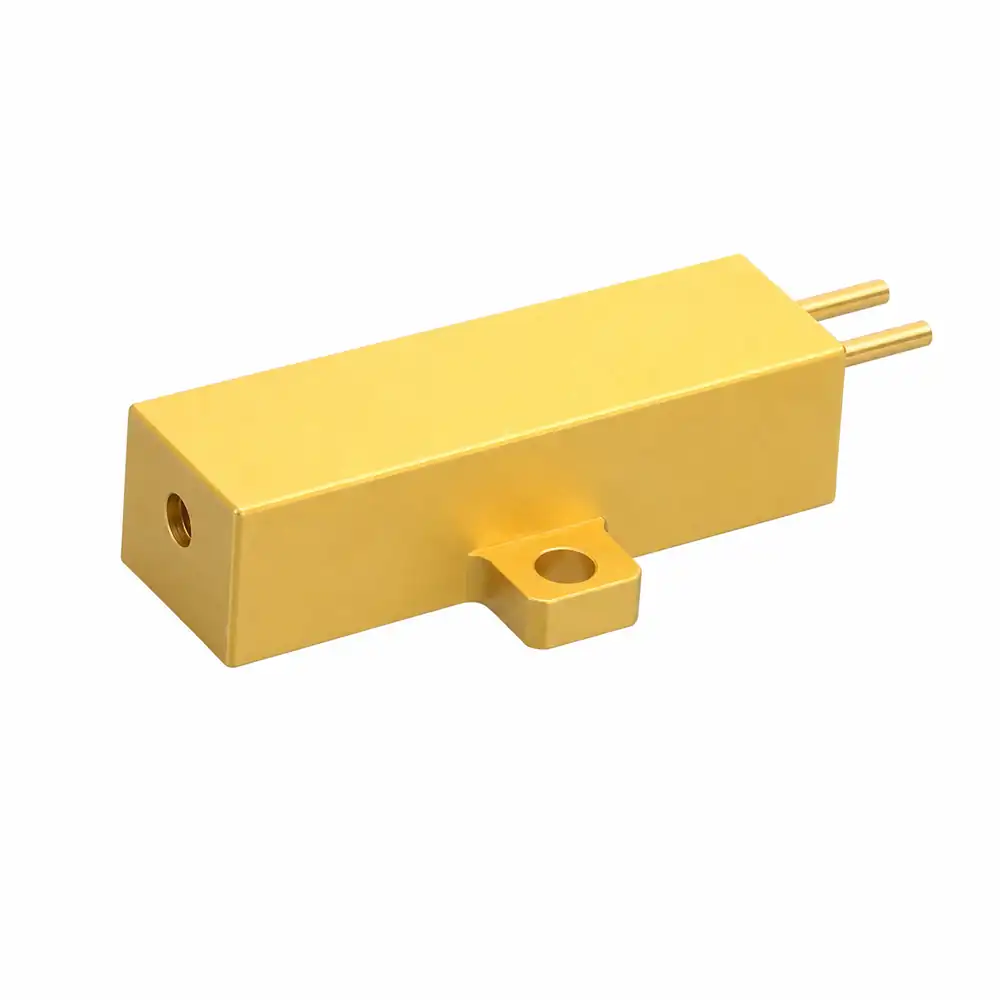
1535-LXER200
200 мкДж на 1535 нм; частота повторения 1–10 Гц; ширина импульса 3–6 нс; расходимость ≤10 мрад.
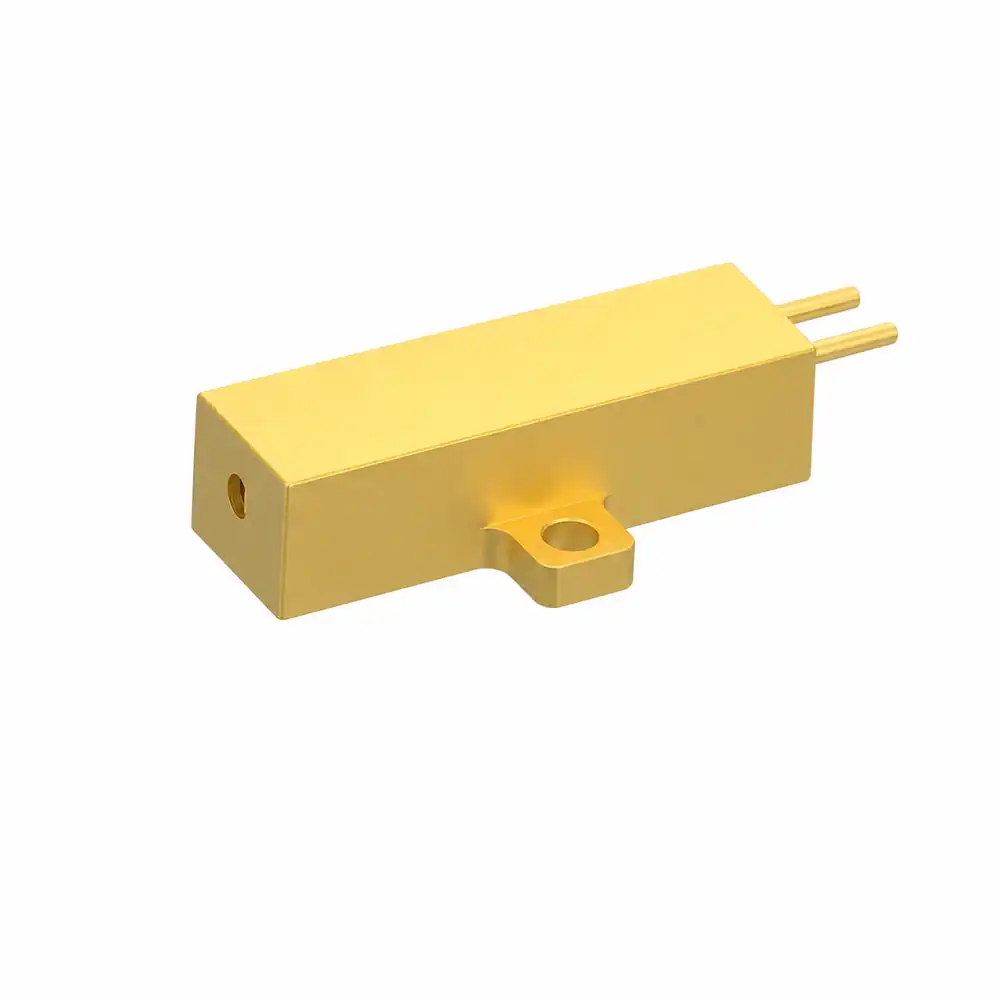
1535-LXER300
300 мкДж на 1535 нм; частота повторения 1–10 Гц; ширина импульса 3–6 нс; расходимость ≤10 мрад.
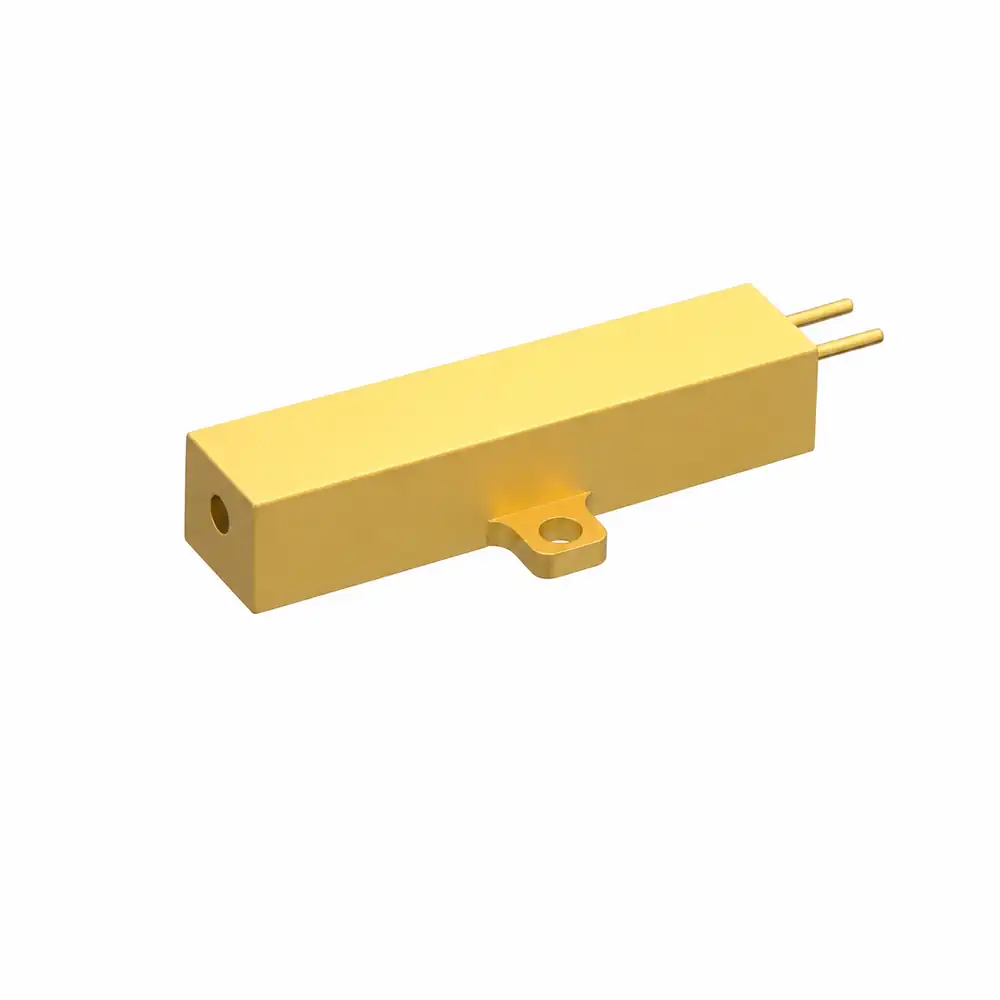
1535-LXER400
400 мкДж на 1535 нм; частота повторения 1–10 Гц; ширина импульса 3–6 нс; расходимость ≤15 мрад.
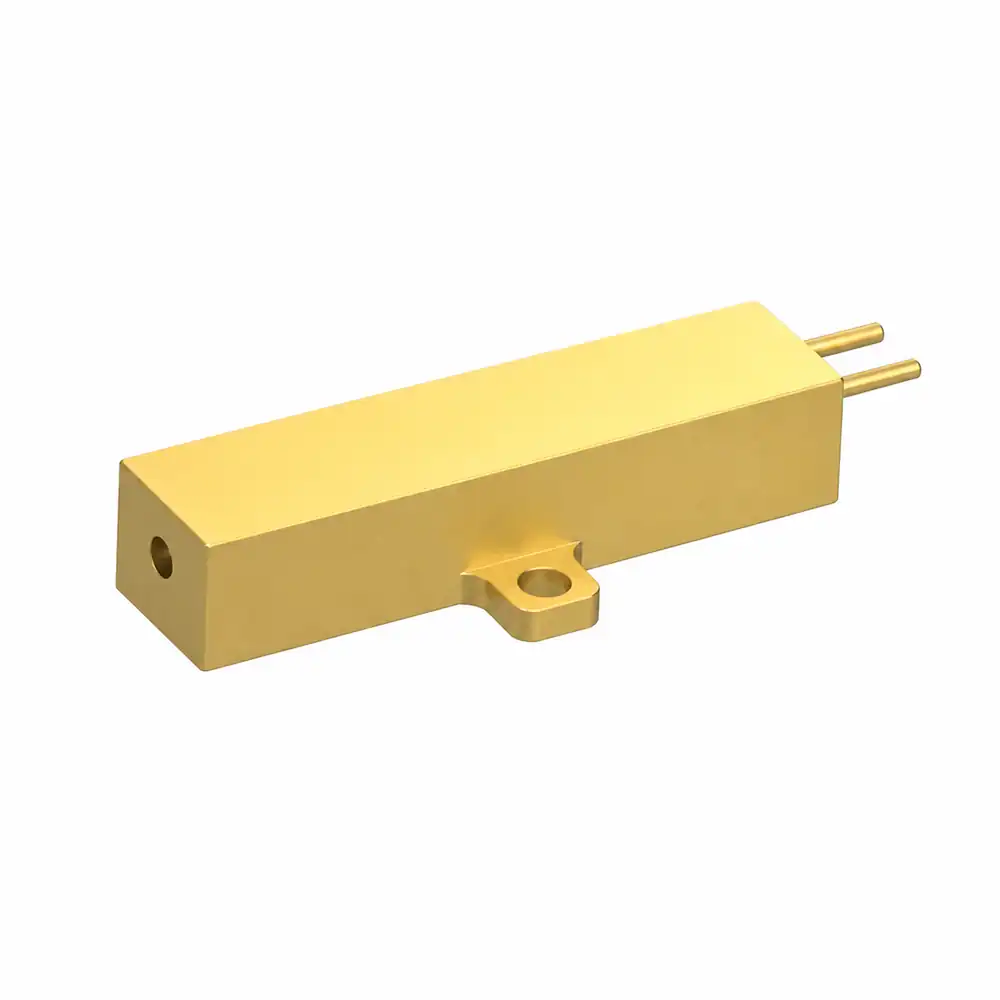
1535-LXER500
500 мкДж на 1535 нм; частота повторения 1–10 Гц; ширина импульса 3–6 нс; расходимость ≤15 мрад.
Сравнение моделей
Таблица является вспомогательным средством выбора, а не документом для выпуска интеграции. Интерфейс, механический корпус и условия испытаний подтверждаются в технических характеристиках конкретной модели.
| Модель | Энергия импульса | Частота повторения | Длительность импульса | Расходимость | Питание | Рабочая температура | Вес |
|---|---|---|---|---|---|---|---|
| 1535-LXER040 | 40 мкДж | 1000 Гц | 3–6 нс | ≤15 мрад | <2 В | −40 до +65°C | — |
| 1535-LXER100 | 100 мкДж | 1–10 Гц | 3–6 нс | ≤10 мрад | <2 В | −40 до +65°C | 9 г |
| 1535-LXER200 | 200 мкДж | 1–10 Гц | 3–6 нс | ≤10 мрад | <2 В | −40 до +65°C | 9 г |
| 1535-LXER300 | 300 мкДж | 1–10 Гц | 3–6 нс | ≤10 мрад | <2 В | −40 до +65°C | 9 г |
| 1535-LXER400 | 400 мкДж | 1–10 Гц | 3–6 нс | ≤15 мрад | <2 В | −40 до +65°C | 11 г |
| 1535-LXER500 | 500 мкДж | 1–10 Гц | 3–6 нс | ≤15 мрад | <2 В | −40 до +65°C | 13 г |
Примечание к спецификации: Длина волны 1535 нм, энергия импульса, частота повторения, длительность импульса и расходимость являются опубликованными значениями для конкретной модели. “—” означает, что в открытом источнике данных значение не указано; запросите соответствующий технический паспорт для выбранной модели.
Основы лазерного источника
Энергия накапливается в активной среде из эрбиевого стекла и высвобождается в виде короткого оптического импульса, когда пассивный Q-переключатель изменяет потери резонатора. Результирующие энергия импульса, ширина, расходимость пучка и частота повторения являются взаимозависимыми проектными параметрами, а не независимыми настройками, которые можно оптимизировать по отдельности.
Активное стекло накапливает энергию накачки и обеспечивает лазерный переход на 1535 нм.
Поддерживает компактную импульсную работу без внешнего управляемого Q-переключателя.
Выходная оптика задает геометрию передаваемого пучка для оптического тракта хоста.
Детали монтажа, разъемов и апертуры должны соответствовать чертежу выбранной модели.
Знания для выбора
Источник следует оценивать как часть полной оптической и электрической системы. Эти входные данные помогают определить первоначальный список моделей и инженерные вопросы для тестирования образцов.
Энергия импульса задает оптическую энергию, доступную на одно излучение. Выбирайте её с учетом требуемого запаса сигнала системы, чувствительности приемника, оптических потерь и итоговой оценки безопасности.
Расходимость определяет, насколько быстро расширяется пучок. Расширитель хоста, апертура и допуски на юстировку влияют на конечный профиль.
Частота повторения должна соответствовать синхронизации сбора данных, тепловому бюджету и обработке в хосте. Модель на 40 мкДж задана на 1000 Гц; другие перечисленные модели — 1–10 Гц.
Более короткие импульсы могут поддерживать разрешение по времени пролета, но полный отклик системы также включает ограничения детектора, электроники, синхронизации и обработки сигнала.
Для малых углов используйте полный угол расходимости θ в радианах и расстояние распространения R. Включите начальный диаметр пучка источника, оптику хоста и допуски на юстировку в детальную модель. Подтвердите определение расходимости в спецификации выбранной модели.
Прикладные решения
Пригодность применения зависит от энергии импульса, расходимости, частоты повторения, оптического тракта хоста и архитектуры приемника. Перед выпуском конструкции рекомендуется репрезентативное тестирование системы.
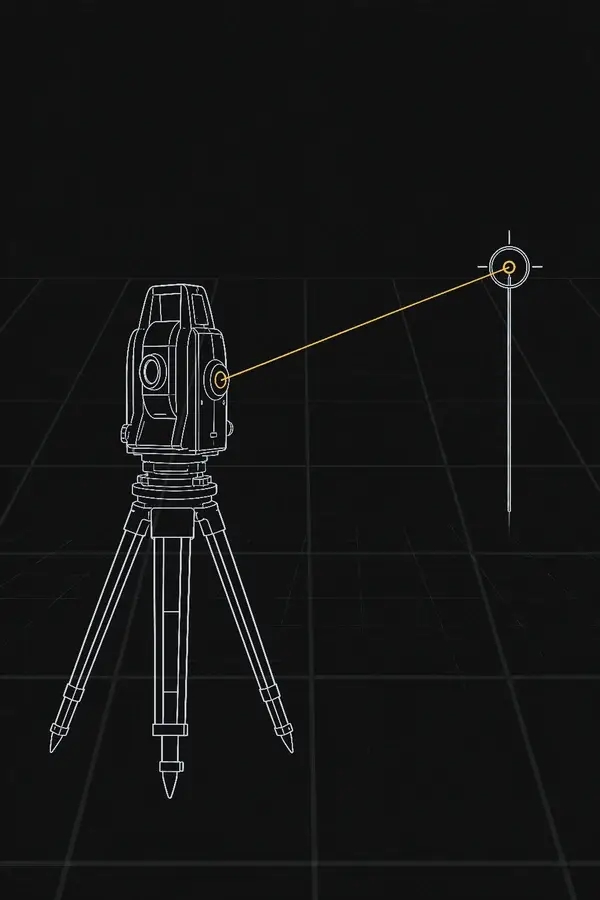
Импульсный источник как строительный блок для компактных дальномерных приборов и интегрированных измерительных подсистем.
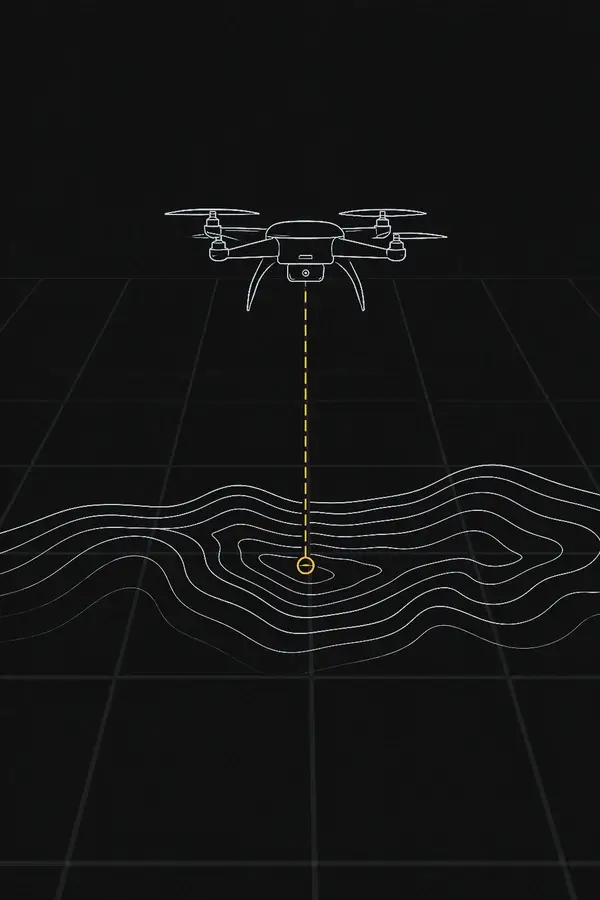
Источниковая интеграция для гражданских картографических систем, сочетающих импульсную передачу, синхронизацию, сканирование и архитектуру приемника.
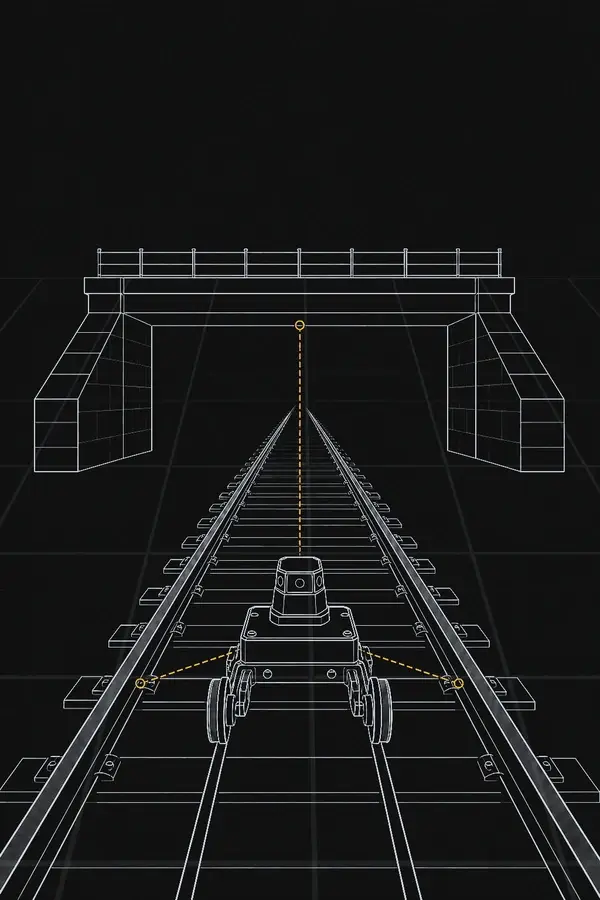
Поддерживает оптические измерительные процессы для железнодорожных и стационарных инфраструктурных инспекционных устройств.
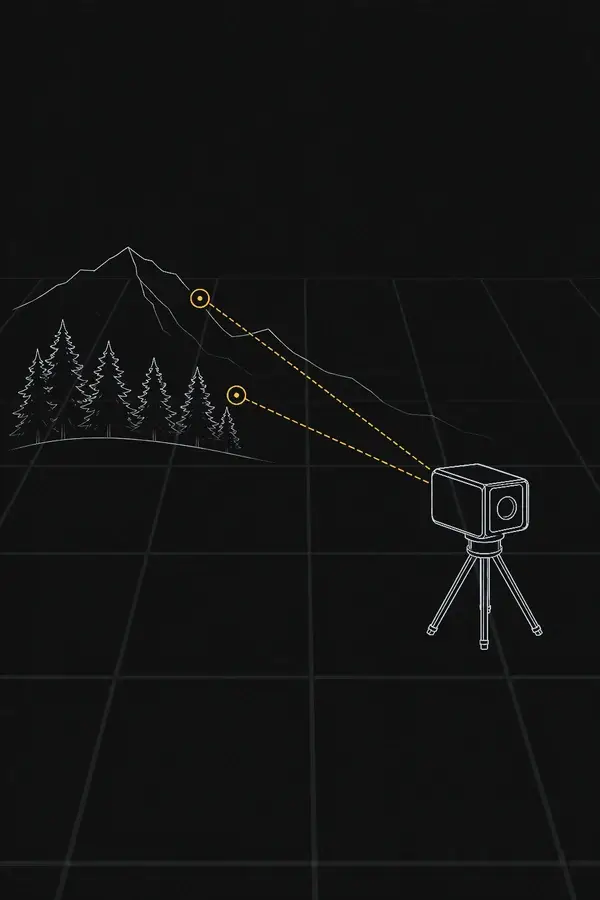
Компактный вариант импульсного источника на 1535 нм для лабораторных и полевых исследовательских инструментов.
Механическая и электрическая интеграция
Лазерный источник — лишь одна часть конечного прибора. Используйте чертеж и распиновку конкретной модели как базовую основу интеграции и проверяйте собранную систему, включая оптику, крепление, кабели, стабильность питания и рабочую среду.
Защищайте выходную апертуру, сохраняйте чистую апертуру и контролируйте юстировку относительно оптической оси хост-системы.
Опубликованная спецификация источника указывает питание <2 В. Подтвердите запуск, ток возбуждения и заземление в выбранном техническом описании.
Используйте чертеж модели для определения точек крепления, запретных зон и тепловых интерфейсов.
Тестируйте готовый хост, а не только голый источник, на оптические характеристики и соответствие требованиям безопасности.
Производство, тестирование и поставка
Повторяемость поставок зависит от контролируемой сборки, тестирования на уровне модели, подтверждения интерфейсов и защитной упаковки. Точный план приемки и документация определяются для указанной конфигурации.
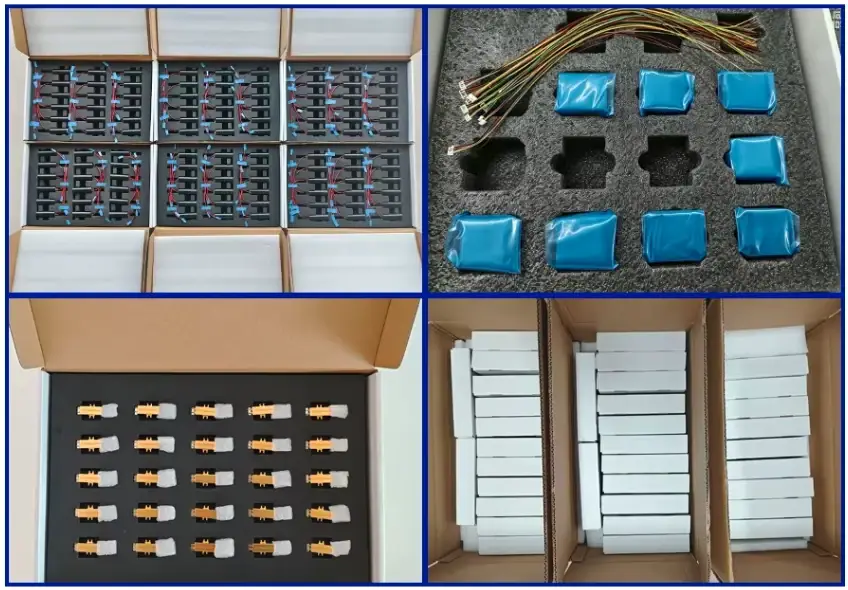
Проверьте выходные характеристики в соответствии с выбранной спецификацией источника на 1535 нм.
Измерьте выходную энергию относительно соответствующего приемочного значения модели.
Проверьте ширину импульса и поведение повторения для выбранного режима работы.
Подтвердите юстировку и расходимость пучка в соответствии с требованиями продукта.
Подтвердите идентичность модели, интерфейсные кабели, состояние упаковки и документацию по заказу.
Разделите блоки источников и защитите оптические и электрические интерфейсы для маршрута обработки.
Часто задаваемые вопросы перед продажей
Эти ответы дают практическую отправную точку для выбора источника и котировки. Точные интерфейсы, критерии приемки и чертежи подтверждаются для выбранной модели.
Начните с оптического бюджета линии системы, чувствительности приемника, желаемого запаса сигнала, пропускания оптики хост-системы, требований к дальности или зондированию и тепловых/электрических ограничений. Более высокая энергия импульса не всегда является правильным ответом; доставленный пучок, частота измерений и итоговая оценка системы важны вместе.
Опубликованная спецификация 1535-LXER040 указывает 1000 Гц. Модели с энергией 100–500 мкДж, перечисленные на этой странице, указаны на 1–10 Гц. Подтвердите требуемый режим работы и рабочий цикл в выбранном техническом описании продукта.
Да. Запросите техническую спецификацию конкретной модели, механический чертеж и доступную документацию по интерфейсам на этапе котировки или оценки образцов. Эти документы следует использовать как проектную основу, а не общие значения с категорийной страницы.
Он описывает угловое расхождение доставляемого пучка. Он влияет на размер пятна пучка, размеры последующей апертуры и допуски на юстировку. Оптика принимающей системы может дополнительно формировать пучок, поэтому рассчитайте полный оптический тракт и проверьте его при тестировании системы.
Мы можем оценить требования OEM к механическому интерфейсу, электрическому подключению, оптической конфигурации и программной документации. Возможность реализации зависит от запрашиваемых характеристик, объема производства, области валидации и конечного применения в системе заказчика.
Укажите целевое применение, требуемую энергию импульса или запас сигнала, рабочую частоту повторения, оптическую схему принимающей системы, доступное пространство и массу, условия питания, ожидаемый диапазон температур, ожидаемое количество и целевую дату валидации.
Нет. Источник является компонентом OEM. Конечный прибор должен оцениваться в его завершенной оптической, электрической и рабочей конфигурации на соответствие применимым требованиям к продукту и лазерной безопасности.
Инженерная поддержка
Отправьте вашу целевую энергию импульса, частоту повторения, оптическую схему, механические габариты и условия эксплуатации. Мы поможем определить наиболее подходящую модель и инженерные документы, необходимые для оценки.