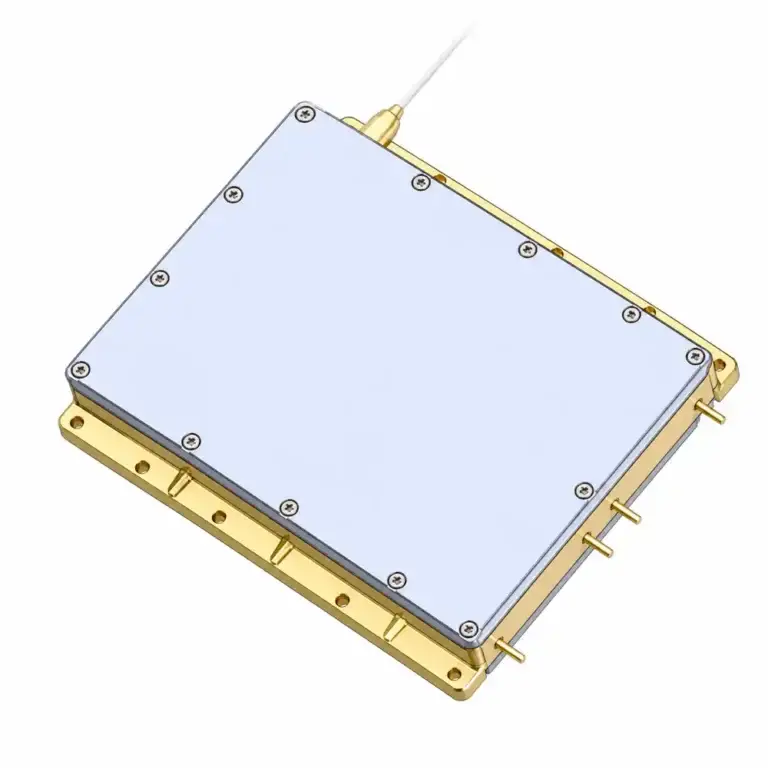
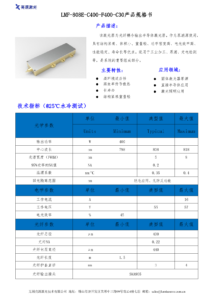
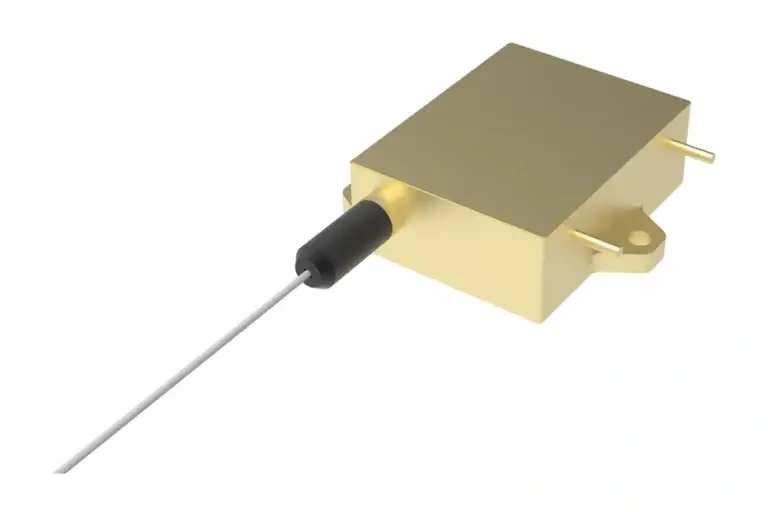
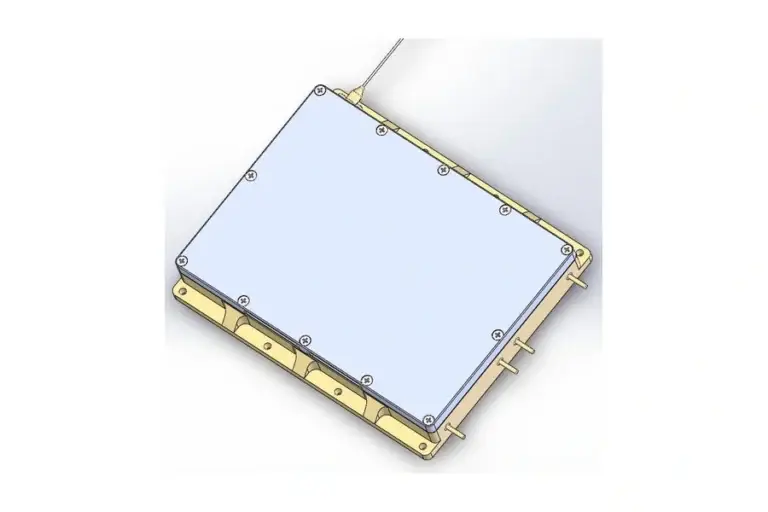
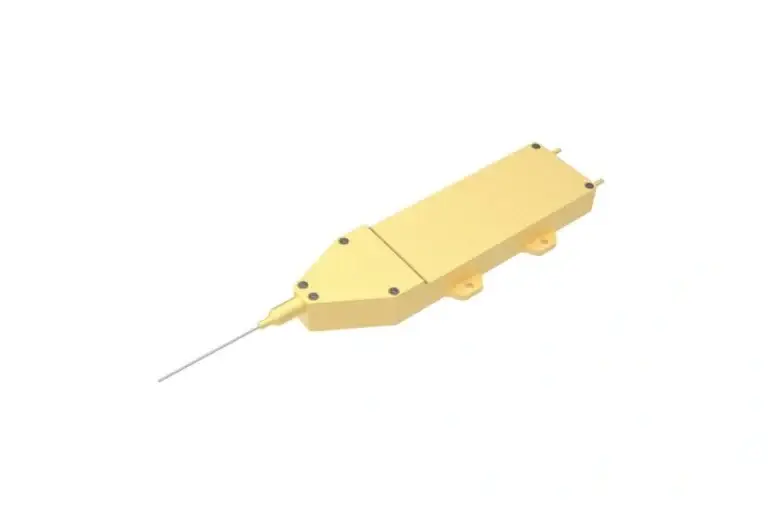
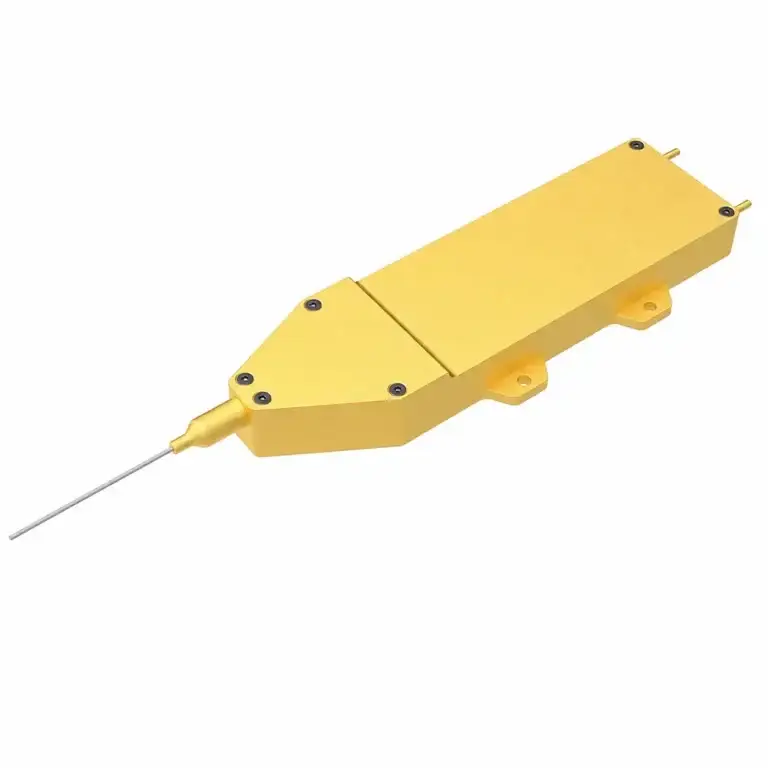
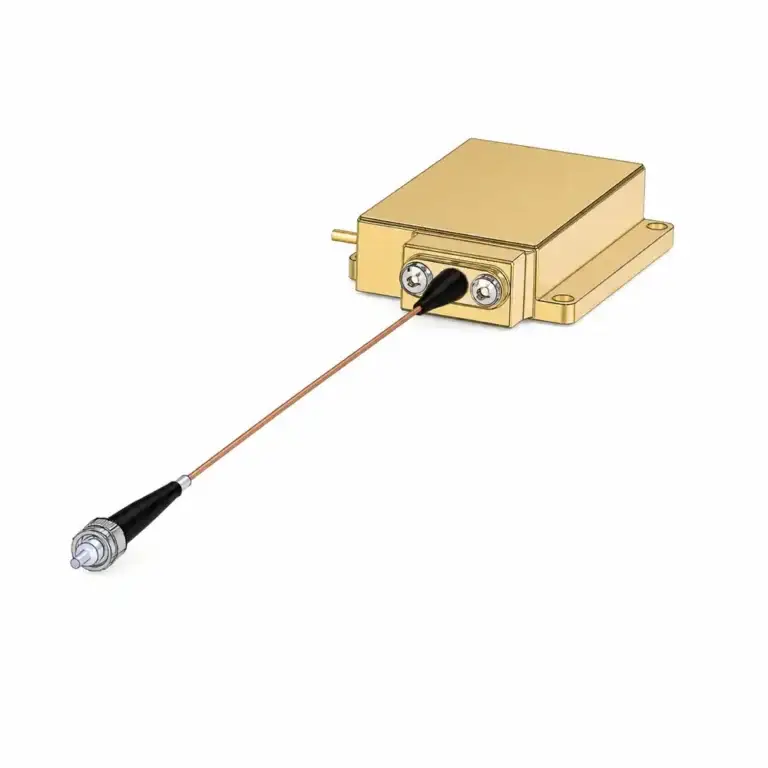
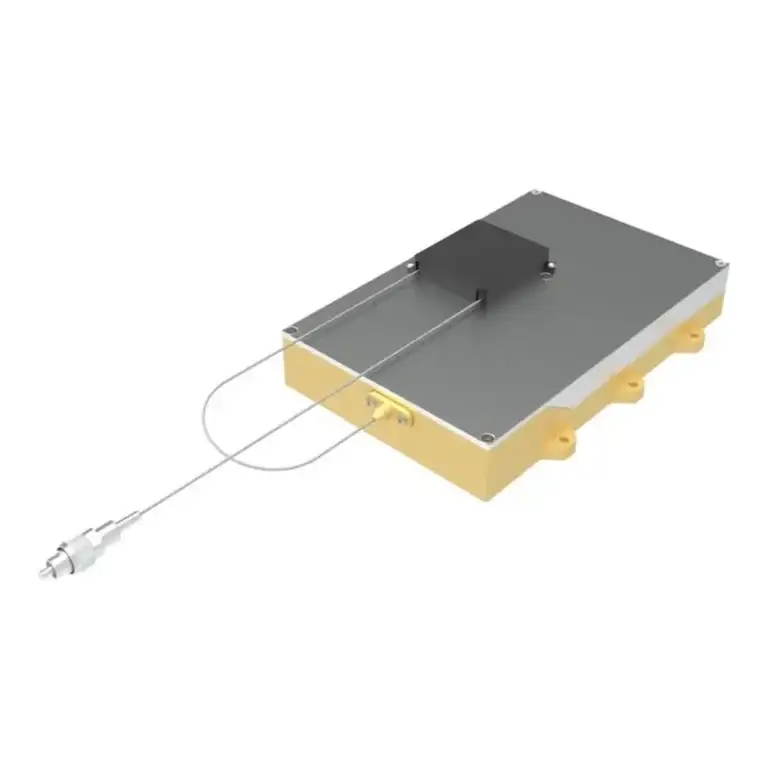
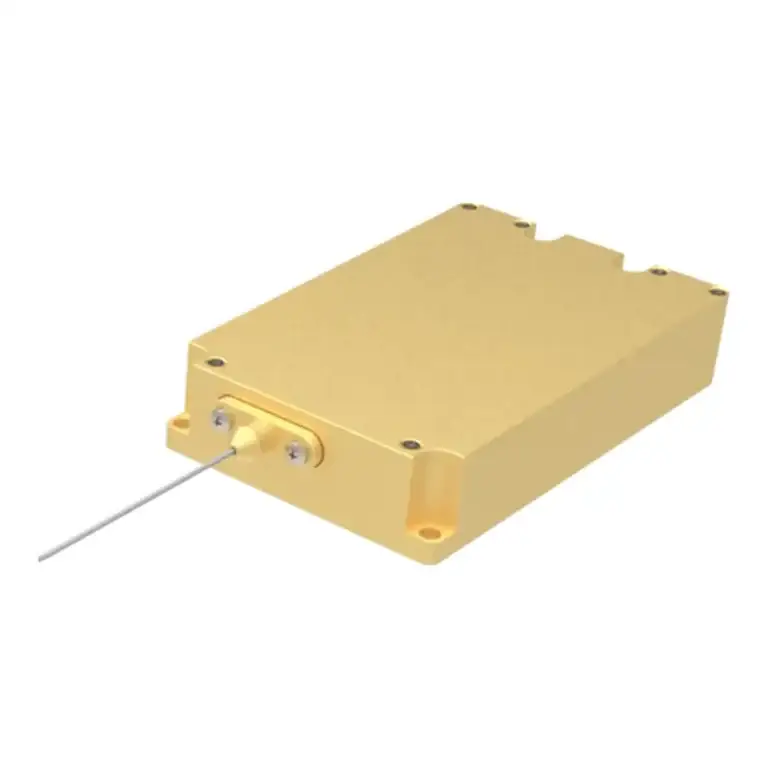
Der 808nm 400W Faser-gekoppelte Laser ist ein faser-gekoppeltes Diodenlasermodul für die OEM-Integration in Festkörperlaser-Pumpen, photovoltaische Photolumineszenz-Anregung und Direktdiodensysteme. Er liefert 400 W aus einer 200 µm Kernfaser bei einer Mittenwellenlänge von 805–811 nm (typisch 808 nm).
Ausgang — 400 W bei 805–811 nm (typisch 808 nm), 3–5 nm spektrale Breite
Faser — 200 µm Kern / 220 µm Mantel, NA 0,22, 1,5 m (anpassbar), Blankfaser (anpassbar) Abschluss
Ansteuerung — 10–12 A bei 90–100 V, 40% elektro-optischer Wirkungsgrad
Strahl — NA 0,22 bei 95% Leistung, 0,3 nm/°C Drift, 1030–1100 nm Rücklicht-Isolation
Kühlung — wärmeleitend gekühlt; 23–25 °C Kühlmitteltemperatur empfohlen
Technische Referenz 808-LXGX0400. Fordern Sie die vollständige Spezifikation an, um die optische, elektrische und mechanische Konfiguration für Ihre Plattform zu bestätigen.
Der 808nm 400W Faser-gekoppelte Laser liefert faser-gekoppelte optische Leistung für industrielles Laser-Pumpen, maschinelles Sehen, Inspektion und analytische Instrumente. Seine 400W-Leistungsklasse wird zusammen mit Faser-Geometrie, Steckerkonfiguration, thermischem Design und den Anforderungen des Host-Systems ausgewählt.
Technische Referenz: 808-LXGX0400. Bestätigen Sie die endgültige optische, elektrische, mechanische und umgebungsbezogene Konfiguration gegen die auftragsspezifische technische Spezifikation vor der Design-Freigabe.
Wichtige Parameter
Parameter
Lokaler Spezifikationswert
Variante 808 nm 400 W — Mittenwellenlänge
808 nm
Variante 808 nm 400 W — Ausgangsleistung
400 W
Variante 808 nm 400 W — Betriebsstrom
10 12 A
Variante 808 nm 400 W — Betriebsspannung
90 95 V
Variante 808 nm 400 W — Elektro-optischer Wirkungsgrad
40 %
Variante 808 nm 400 W — Faserkern-Durchmesser
200 μm
Variante 808 nm 400 W — Faser-NA
0.22
Variante 808 nm 400 W — Faserlänge
1,5 m
Variante 808 nm 400 W — Mittenwellenlänge
808 nm
Variante 808 nm 400 W — Ausgangsleistung
400 W
Variante 808 nm 400 W — Betriebsstrom
16 A
Variante 808 nm 400 W — Betriebsspannung
55 57 V
Variante 808 nm 400 W — Elektro-optischer Wirkungsgrad
45 %
Variante 808 nm 400 W — Faserkern-Durchmesser
400 μm
Variante 808 nm 400 W — Faser-NA
0.22
Variante 808 nm 400 W — Ausgangsstecker
SMA905
Variante 808 nm 400 W — Faserlänge
1,5 m
Anwendungen
industrielles Laserpumpen
maschinelles Sehen und Inspektion
Fluoreszenzanregung und Spektralanalyse
OEM-photonische Instrumente
Integrationshinweise
Wir empfehlen, die endgültige optische, elektrische, mechanische und umgebungsbezogene Konfiguration gegen die auftragsspezifische technische Spezifikation vor der Design-Freigabe zu bestätigen. Dadurch bleibt der ausgewählte faser-gekoppelte Laser mit dem Host-System und seinen Betriebsbedingungen abgestimmt.